

Six things cause the vast majority of sewer line backups in Macomb and Oakland County homes: main line blockage, tree root intrusion, structural pipe failure, combined sewer overflow, municipal sewer surcharge, and a missing or failed backwater valve. Each one gives off warning signs well before a full backup happens — slow drains, gurgling, an oddly green strip of grass — and each one has a specific prevention step. This guide covers what to watch for and what actually works, before you’re standing in a flooded basement at 2am.
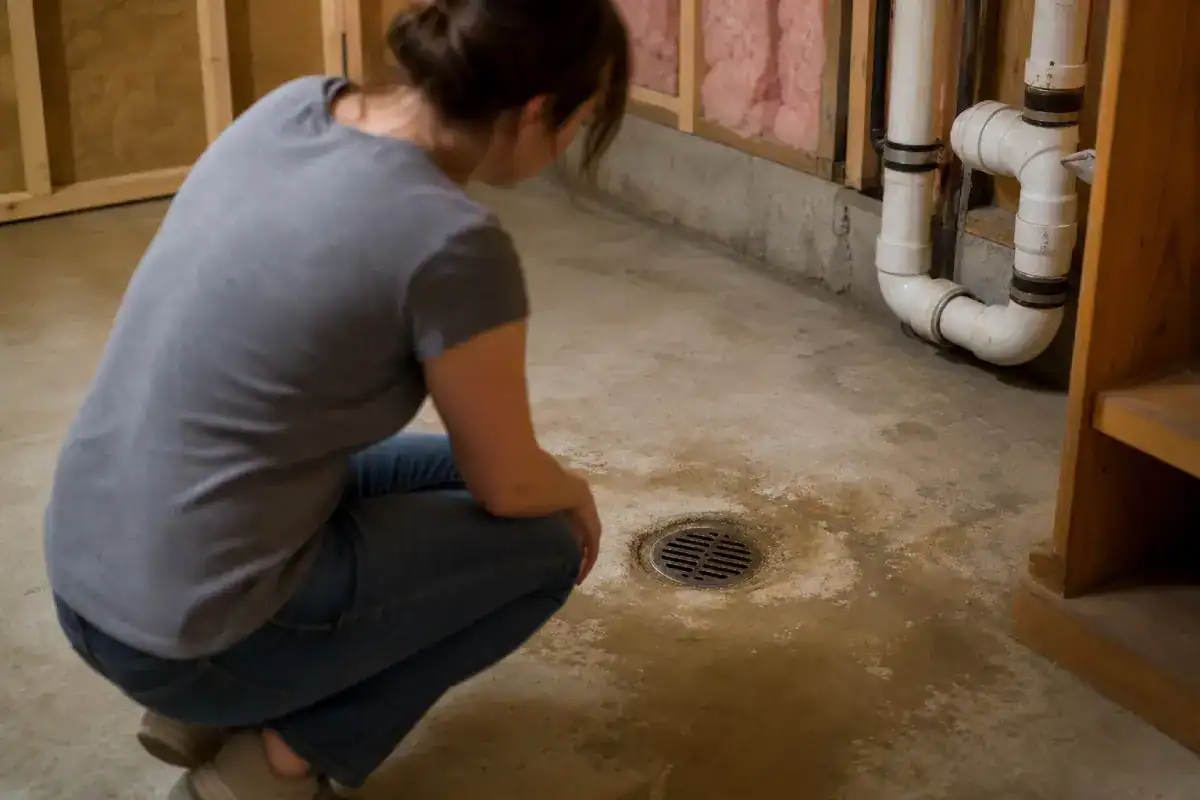
Why This Is Especially Common in Macomb & Oakland County
The housing stock across Warren, Ferndale, Royal Oak, and surrounding communities was built primarily between the 1940s and 1970s with clay and cast-iron sewer laterals now 50-80 years old. Michigan’s hard water deposits mineral scale on aging pipe walls, the annual freeze-thaw cycle opens joint gaps in clay pipe every winter, and mature silver maple and willow root systems throughout residential streets actively seek out that moisture. It’s a predictable combination — which is exactly why the warning signs below are worth learning rather than waiting to discover during an active backup.
The 6 Causes and Their Early Warning Signs
| Cause | Early Warning Sign | Prevention |
| Main line blockage (grease/debris) | Multiple drains slow at once, gurgling | Annual/biennial main line cleaning |
| Tree root intrusion | Slow drains that worsen seasonally | Camera inspection every 3–5 yrs; root removal at first sign |
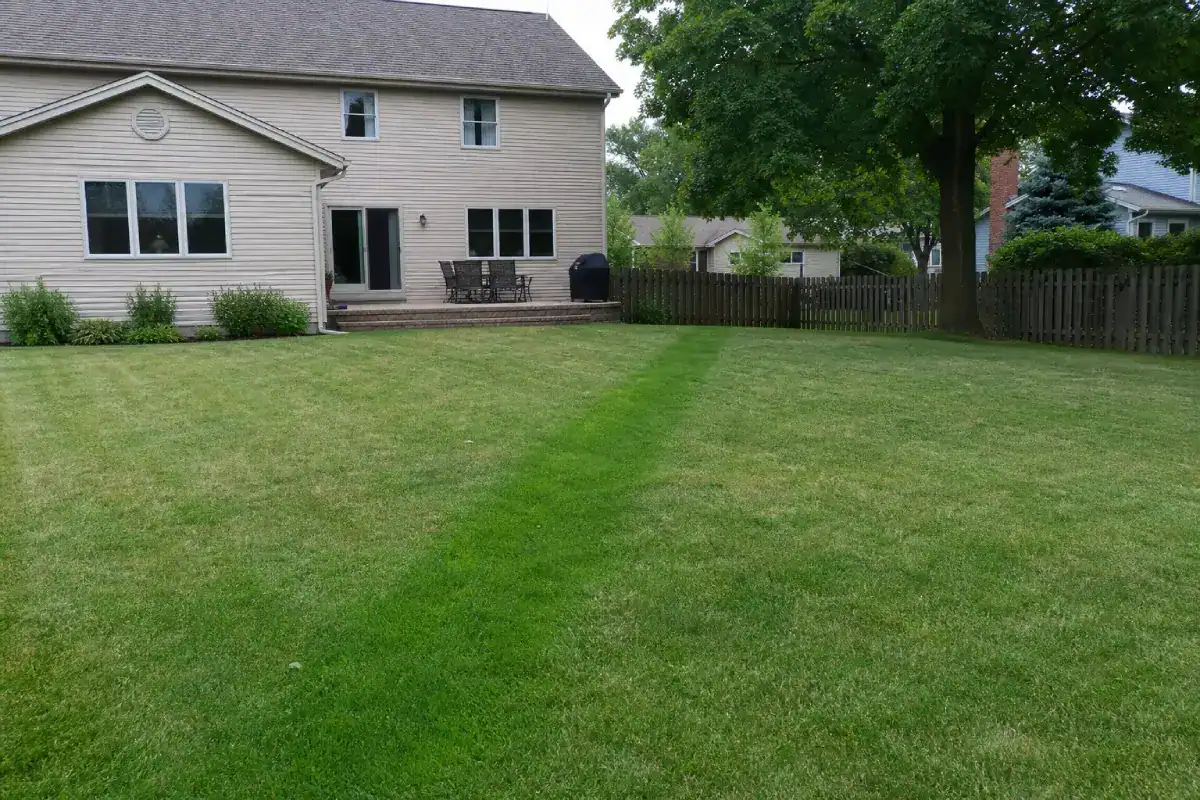
| Structural pipe failure | Unusually lush green grass strip over the line | Camera inspection at any recurring blockage |
| Combined sewer overflow (CSO) | Backup timed with heavy rain, citywide pattern | Backwater valve installation |
| Municipal surcharge | Neighbors affected simultaneously during storms | Backwater valve; report to Public Works |
| Failed/missing backwater valve | No mechanical check ever installed or tested | Installation + annual function test |
Main Line Blockage: Grease, Debris, and Scale
The most common cause by far. Grease coats aging cast-iron pipe walls, mineral scale narrows the effective diameter over decades, and organic debris accumulates at low points. The early sign is multiple drains running slow at the same time, or gurgling from one fixture when another is in use — a single slow drain is usually a branch clog, but two or more slow at once points to the main line. Main sewer line cleaning on an annual or biennial cadence is the direct prevention for pre-1980 homes with this pipe material.
Tree Root Intrusion
Silver maple and willow roots exploit joint gaps in clay pipe and grow to fill the pipe diameter over one or more growing seasons. The early sign is a slow drain pattern that gets worse seasonally — often most noticeable in spring and summer when root growth is most active. A camera inspection confirms root mass location and severity; tree root removal combined with a camera-confirmed structural assessment is the appropriate next step once roots are identified.
Structural Pipe Failure
A cracked, offset, or partially collapsed pipe section creates a permanent restriction that worsens over time rather than resolving with cleaning. The distinctive early sign: an unusually lush, fast-growing strip of grass following the exact path of your sewer lateral — a visible sign the pipe is leaking below ground. This one doesn’t resolve with cleaning alone and needs a camera-confirmed repair assessment.
Combined Sewer Overflow and Municipal Surcharge
These two are infrastructure-level causes rather than problems with your own pipe. Ferndale’s combined sewer system, where stormwater and sanitary wastewater share the same pipe, can overflow during heavy rain and push sewage backward into connected homes citywide. A municipal surcharge is similar — the city system becomes overwhelmed and backs up into private laterals. The tell for both: the backup coincides specifically with a heavy rain event, and if neighbors are reporting the same issue at the same time, it’s very likely a municipal event rather than something specific to your pipe.
Missing or Failed Backwater Valve
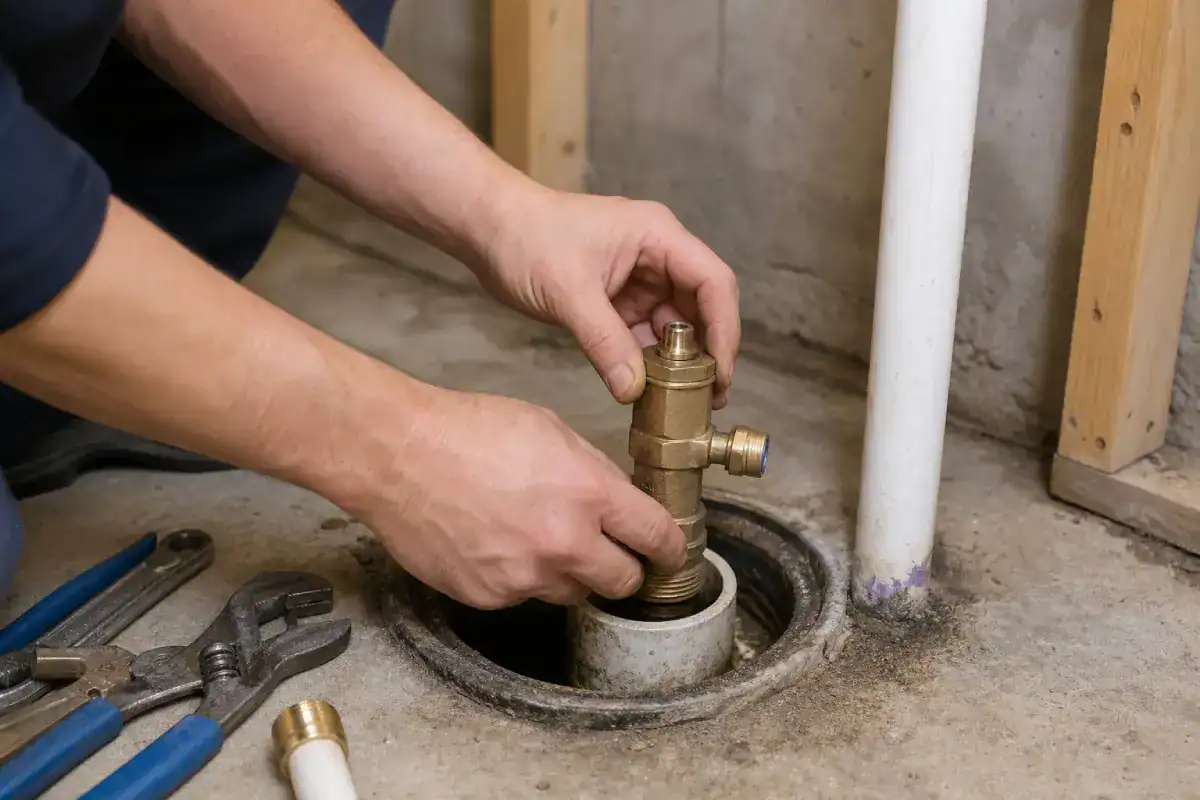
A backwater valve allows flow in one direction only, mechanically blocking city system pressure from entering your private lateral during a surcharge or CSO event. Homes without one have zero protection against these two municipal-level causes, regardless of how well-maintained the rest of the plumbing is. If you’ve never had one installed or tested, that absence is itself the warning sign.
| The pattern worth remembering: if the backup coincides with heavy rain and multiple neighbors are affected, it’s a municipal event a backwater valve would have blocked. If it’s an isolated event on your property alone, it’s almost always the pipe itself — blockage, roots, or structural damage — and a camera inspection tells you which. |
Prevention Isn’t Optional Maintenance — It’s Cheaper Than the Alternative
Annual or biennial main line cleaning, a camera inspection every 3-5 years, and a backwater valve if you don’t have one already cover five of the six causes above. None of these individually costs anywhere near what a sewage backup remediation runs once it’s actually happened — which is exactly why prevention is the more useful conversation to have before an emergency, not during one.
If a Backup Happens Anyway
Stop using all water in the home immediately, keep people and pets away from the affected area, and don’t attempt cleanup without proper protective equipment — raw sewage is a genuine biohazard. Bison’s full sewer backup emergency response protocol covers the complete step-by-step for an active event, including when to call your insurance provider and what the on-site camera diagnosis and clearing process looks like.
Frequently Asked Questions
What’s the most common cause of sewer backup in Michigan?
Main line blockage from grease buildup, mineral scale, or debris accumulation in aging clay or cast-iron pipe is the most common cause in pre-1980 Macomb and Oakland County homes.
How can I tell if a backup is my pipe or a city problem?
If the backup coincides with heavy rain and neighbors are reporting the same issue simultaneously, it’s likely a municipal surcharge or combined sewer overflow event. An isolated backup on your property alone usually points to your own lateral — blockage, roots, or structural damage.
Does a backwater valve actually prevent backups?
It prevents backups caused by municipal surcharge or combined sewer overflow specifically, by mechanically blocking reverse flow from the city system into your private lateral. It doesn’t prevent backups caused by blockage or root intrusion within your own pipe — those need separate prevention.
How often should I get my main sewer line cleaned to prevent backup?
Annual or biennial cleaning is a sound cadence for pre-1980 homes with clay or cast-iron laterals. A camera inspection every 3-5 years provides the clearest picture of structural condition beyond what routine cleaning alone can show.
Every one of these six causes gives a warning before it becomes a full backup. The homeowners who avoid the 2am emergency are the ones who act on the early sign — not the ones who wait to find out which cause applies during an active flood.
Choose Bison Plumbing to Prevent — Not Just Respond to — Sewer Backups
Bison Plumbing has served Macomb and Oakland County since 1998, with LARA-licensed technicians and Picote HD camera diagnosis on every job — preventive or emergency.
Contact us today for a camera inspection that tells you which of these causes applies to your home before it becomes a 2am emergency.
| Want to catch a backup before it happens?
Bison Plumbing offers Picote HD camera inspections and preventive main line cleaning across Macomb & Oakland County — see your pipe’s actual condition before it becomes an emergency. Schedule a Preventive Inspection (248) 247-7707 |