

Not every plumbing emergency has the same right answer — shutting off your main water valve is exactly correct for a burst pipe, and exactly wrong for a sewer backup (where you should stop using fixtures instead, not touch the main valve). Before you do anything, call for emergency service — but knowing the correct first move for your specific situation, in the minutes before help arrives, is what actually limits damage. Here’s how to triage what’s happening and respond correctly.
Know Your Shutoffs Before You Need Them
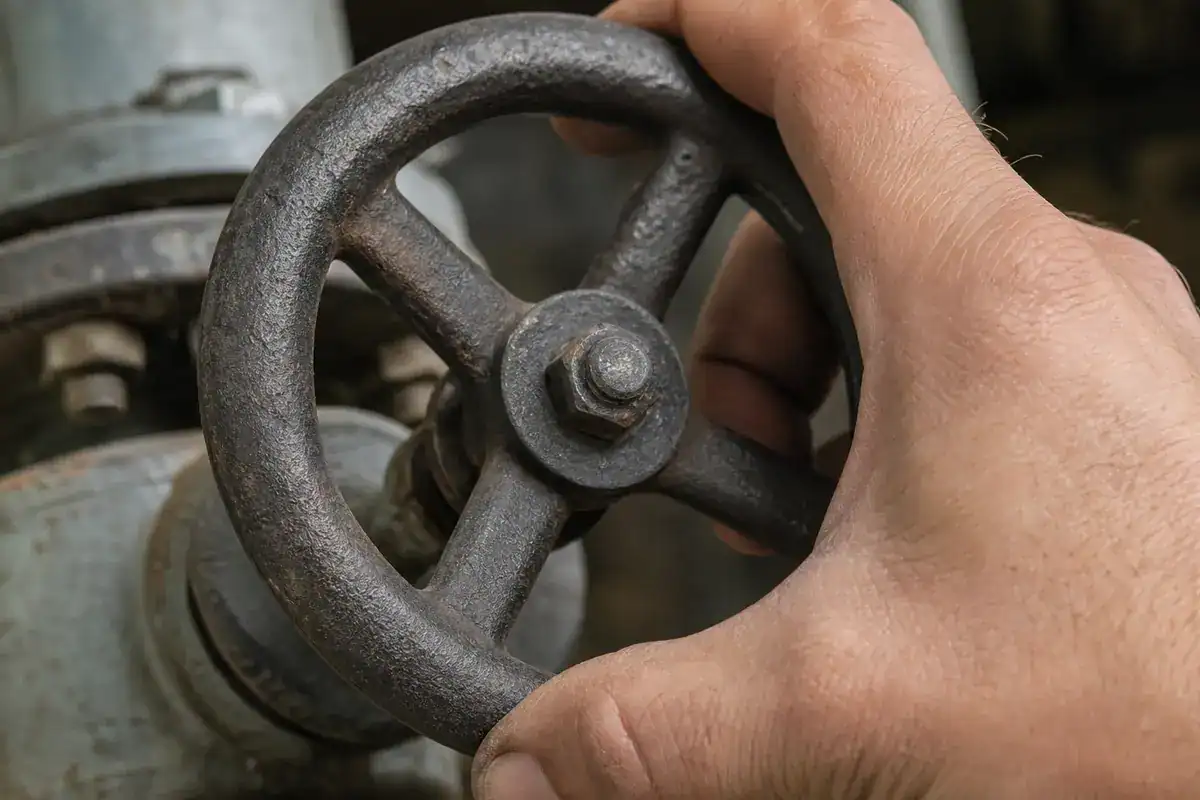
The single best thing any Michigan homeowner can do is find their main water shutoff valve today, not during an emergency. Per the Regional Water Providers Consortium’s emergency preparedness guidance, the valve is typically in the basement, crawl space, or where the water line enters the home, and knowing its exact location — and confirming everyone in your household knows it too — is most critical exactly when the weather is cold and frozen or burst pipes are most likely. Test it once or twice a year so it isn’t seized shut the one time you actually need it.
The two most common valve types: a gate (wheel) valve turns clockwise, often several full rotations, until snug. A ball valve only needs a quarter turn until the handle sits perpendicular to the pipe. Know which one you have before an emergency forces you to figure it out.
Triage: What’s Happening, and What to Do First
The right first move depends entirely on which emergency you’re actually facing — treating a sewer backup like a burst pipe (or vice versa) can make things worse, not better.
| What’s Happening | Your First Move |
| Water spraying, flowing, or pooling and not stopping | Shut off the main water valve immediately, then call |
| Toilet, tub, or floor drain backing up; multiple drains slow | Stop using every fixture in the house — don’t shut the main valve for this one |
| No hot water, or water heater visibly leaking | Shut off the water heater’s dedicated shutoff valve (not necessarily the main) and its power/gas supply |
| A pipe feels frozen (no flow, cold to the touch) | Leave the faucet open a crack, apply gentle heat if safely reachable, and call before it bursts |
| No water anywhere in the house | Check if it’s a utility-side outage first, then call if it’s isolated to your home |
| Sewage smell with no visible water | Call — this can indicate a dry trap or vent issue that needs diagnosis, not a DIY fix |
Why Michigan Homes Face This More Than Most
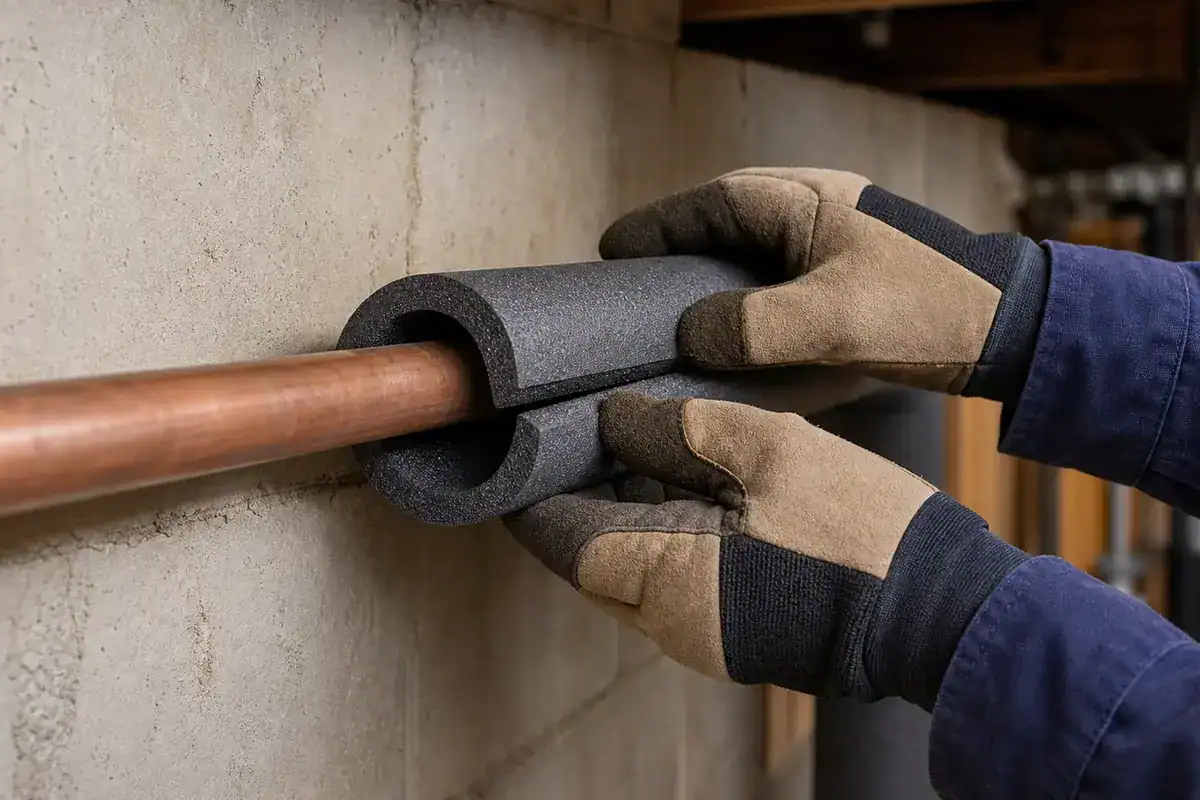
Michigan’s freeze-thaw winters put real stress on plumbing that milder-climate homes never face — pipes running through uninsulated crawl spaces, exterior walls, or unheated garages are all genuine frozen-pipe risks every winter. A frozen pipe that isn’t caught early can burst from the pressure buildup, turning a preventable inconvenience into exactly the kind of emergency this guide covers. Insulating exposed pipes and keeping cabinet doors open on extreme-cold nights (to let household heat reach under-sink plumbing) are simple, genuinely preventive steps specific to this climate.
What to Do After You’ve Called
- Move valuables away from the affected area: if it’s safe to do so without entering standing water.
- Photograph the damage before cleanup: this matters for any insurance claim you may file.
- Clear access to the problem area: move stored items away from your main shutoff, water heater, or affected fixture so the technician can work quickly.
Frequently Asked Questions
Should I always shut off my main water valve during a plumbing emergency?
No — only for emergencies involving water flowing where it shouldn’t, like a burst pipe or major leak. For a sewer backup, shutting off the main valve does nothing useful; stopping all fixture use is the correct response instead.
How do I know if my pipe is actually frozen versus just not working?
A frozen pipe typically shows no water flow from one or more fixtures, and the exposed section of pipe (if visible) may feel unusually cold or show frost. If only one fixture is affected and nearby pipes feel normal, the cause may be something else entirely — worth mentioning when you call.
Is it safe to use space heaters to thaw a frozen pipe myself?
A hair dryer or heating pad on an easily accessible section is generally low-risk, but never use an open flame, and never leave a heat source unattended near a pipe. If you can’t easily reach the frozen section, or the pipe has already started leaking, stop and call a professional.
What Michigan winter prep actually prevents plumbing emergencies?
Insulating exposed pipes in unheated spaces, sealing drafts near plumbing runs, keeping the house at a consistent minimum temperature even when away, and knowing your shutoff valve location are the most effective preventive steps specific to Michigan’s freeze-thaw climate.
A plumbing emergency is stressful, but the right first move is rarely the same for every situation. Match what’s actually happening to the correct response, know your shutoffs before you need them, and get a technician on the way — that combination is what actually limits the damage.
Choose Bison Plumbing for Any Plumbing Emergency
Bison Plumbing has served Macomb and Oakland County since 1998, with 24/7 emergency response and camera-first diagnosis on every call, so the fix is right the first time.
Visit our full emergency plumbing page for detailed guidance by emergency type, or call now for immediate dispatch.
Have a plumbing emergency right now?
Bison Plumbing responds fast across Macomb and Oakland County — 24/7, upfront pricing, no trip-fee estimates.
☎ Call (248) 247-7707 Now | Or request service online →