
For Michigan homeowners evaluating trenchless sewer repair, understanding pipe lining costs helps you budget for 2026. Pipe lining is a trenchless method that reduces property disruption and often costs less overall than full excavation; final pricing depends on pipe condition, materials, and local rates. This guide summarizes cost drivers, homeowner financial impacts, budgeting items, local service considerations, and financing options available specifically for Michigan residents.
Key Takeaways
- Costs depend on pipe length, diameter, material, condition, and access difficulty within Michigan’s unique soil and infrastructure conditions.
- Trenchless repair typically causes less disruption and can be more cost-effective than excavation, especially in Michigan’s residential neighborhoods.
- Budget for inspection fees, permits, and consider contractor or third-party financing options available in Michigan.
- Pipe lining extends sewer lifespan and lowers future repair frequency, important for Michigan’s aging sewer systems.
- Local expertise affects workmanship, pricing, and regulatory compliance in Michigan’s counties such as Oakland, Macomb, and Wayne.
- Material and labor costs, plus project complexity, will influence 2026 pricing in Michigan’s market.
- Warranty choices affect cost and long-term value, with some Michigan contractors offering region-specific guarantees.
- Schedule a sewer camera inspection and get itemized estimates from Michigan-based providers before committing.
Key Cost Factors
Several core variables determine pipe lining cost in Michigan; consider these when estimating a budget.
- Pipe Length and Diameter: Longer or larger-diameter lines require more material and labor, with Michigan’s older homes often having varied pipe sizes.
- Material and Condition of the Pipe: Deteriorated or incompatible pipe materials common in Michigan’s older infrastructure can increase repair scope.
- Access Difficulty: Deep, restricted, or under-structure lines, especially in Michigan’s urban areas, raise labor time and equipment needs.
Review these items to anticipate likely expenses for trenchless sewer repair in Michigan.
Financial Implications for Michigan Homeowners

Although upfront trenchless costs may seem higher, reduced restoration and shorter job durations usually yield long-term savings for Michigan properties.
- Savings Compared to Traditional Methods: Less excavation lowers restoration and labor expenses, particularly important in Michigan’s seasonal weather conditions.
- Lifespan of Repairs: Proper lining can extend service life and cut future costs, helping Michigan homeowners avoid frequent repairs due to freeze-thaw cycles.
- Insurance Considerations: Some Michigan homeowner policies or endorsements may cover portions of the work—check your policy and local regulations.
Compare these factors to decide the most cost-effective approach for your Michigan property.
Budgeting Considerations
Include inspection, permit, and finance costs in your budget so you avoid surprises.
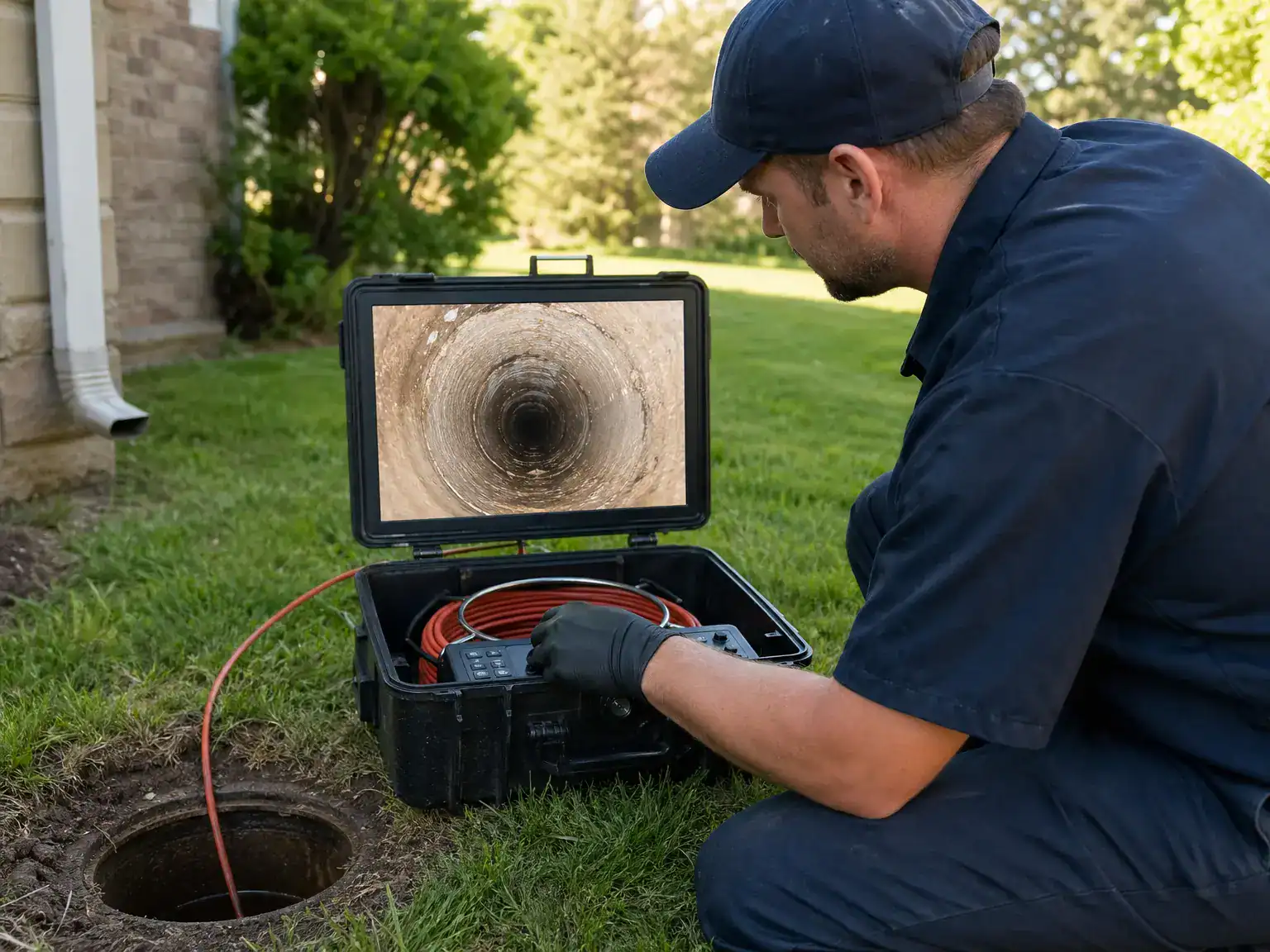
- Initial Inspection Costs: A sewer camera inspection in Michigan commonly ranges from $200 to $500 and is essential for scope and quoting.
- Financing Options: Michigan contractors may offer payment plans; third-party lenders provide alternatives to spread costs.
- Permit and Inspection Fees: Expect local permit/inspection fees in Michigan—commonly between $75 and $500 depending on jurisdiction such as Detroit, Ann Arbor, or Grand Rapids.
| Cost Component | Estimated Range |
|---|---|
| Sewer Camera Inspection | $200 – $500 |
| Permit and Inspection Fees | $75 – $500 |
| Financing Options | Varies by provider |
Factoring these items into your plan reduces the risk of unexpected expenses in Michigan.
What Is Trenchless Sewer Repair and How Does Pipe Lining Work?

Trenchless sewer repair rehabilitates existing lines with minimal digging. CIP