

Quick answer: A new backflow preventer installation in Michigan typically runs 300-800 for residential properties and 500-2,500+ for commercial properties, depending on the device type and size. Replacing an existing assembly in the same location is usually somewhat less, since the plumbing connection point already exists. Annual or periodic testing, required by most local water authorities, typically costs 70-150 per assembly for residential and 100-300 for commercial. The device type — a pressure vacuum breaker, double check assembly, or reduced pressure zone assembly — is the single biggest factor in where your total lands.
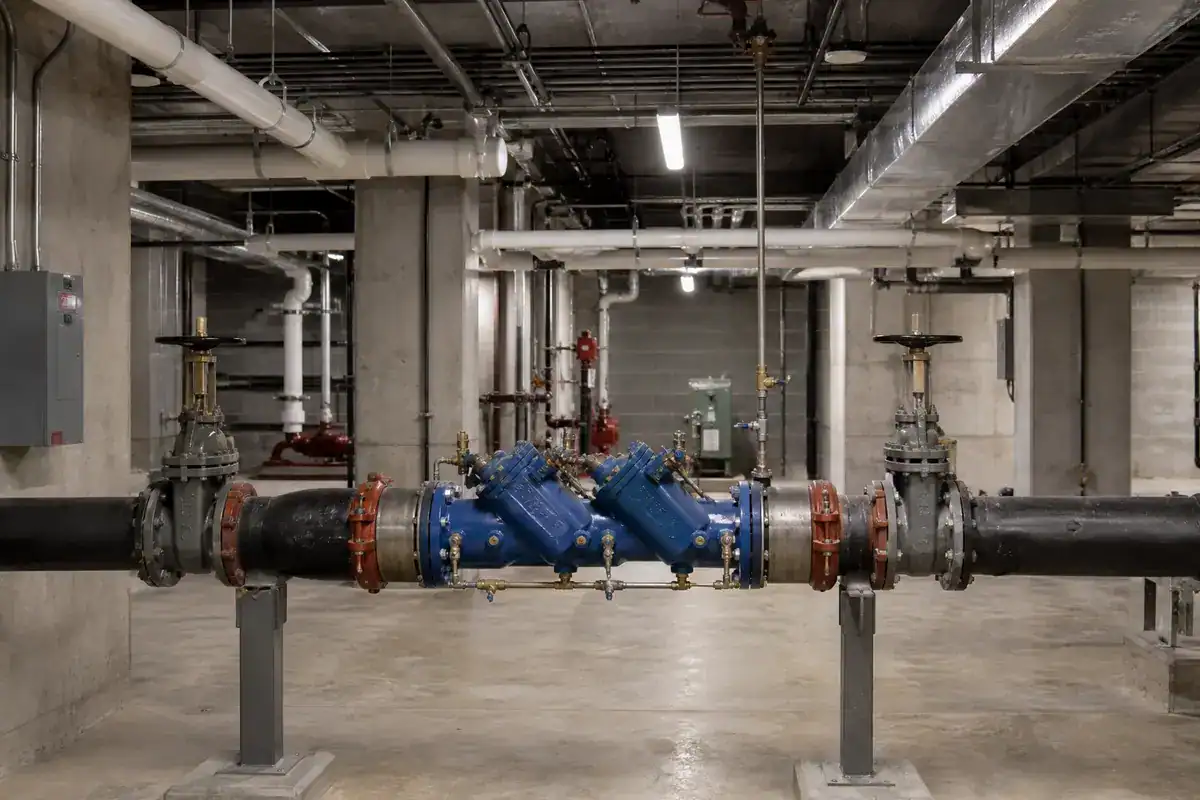
According to Angi’s national cost data for backflow preventer installation, the national average installation cost lands around $350, with permit fees starting at $50 and typical annual testing running 70-90 per test — figures broadly consistent with what Michigan properties can expect, though local water authority requirements and device size push the range wider for larger commercial connections.
Cost by Device Type
The type of backflow assembly your property needs — determined by the hazard level of the connection — drives most of the cost difference:| Device Type | Device Cost | Typical Use |
| Pressure Vacuum Breaker (PVB) | 100-300 | Residential irrigation systems |
| Double Check Assembly (DCA) | 150-500 | Moderate-hazard commercial connections |
| Reduced Pressure Zone (RPZ) | 300-1,000+ | High-hazard commercial, fire suppression, boilers |
Installation, Replacement, and Testing Costs Side by Side
| Cost Category | Residential | Commercial |
| New installation | 300-800 | 500-2,500+ |
| Replacement (existing location) | 250-650 | 400-2,000+ |
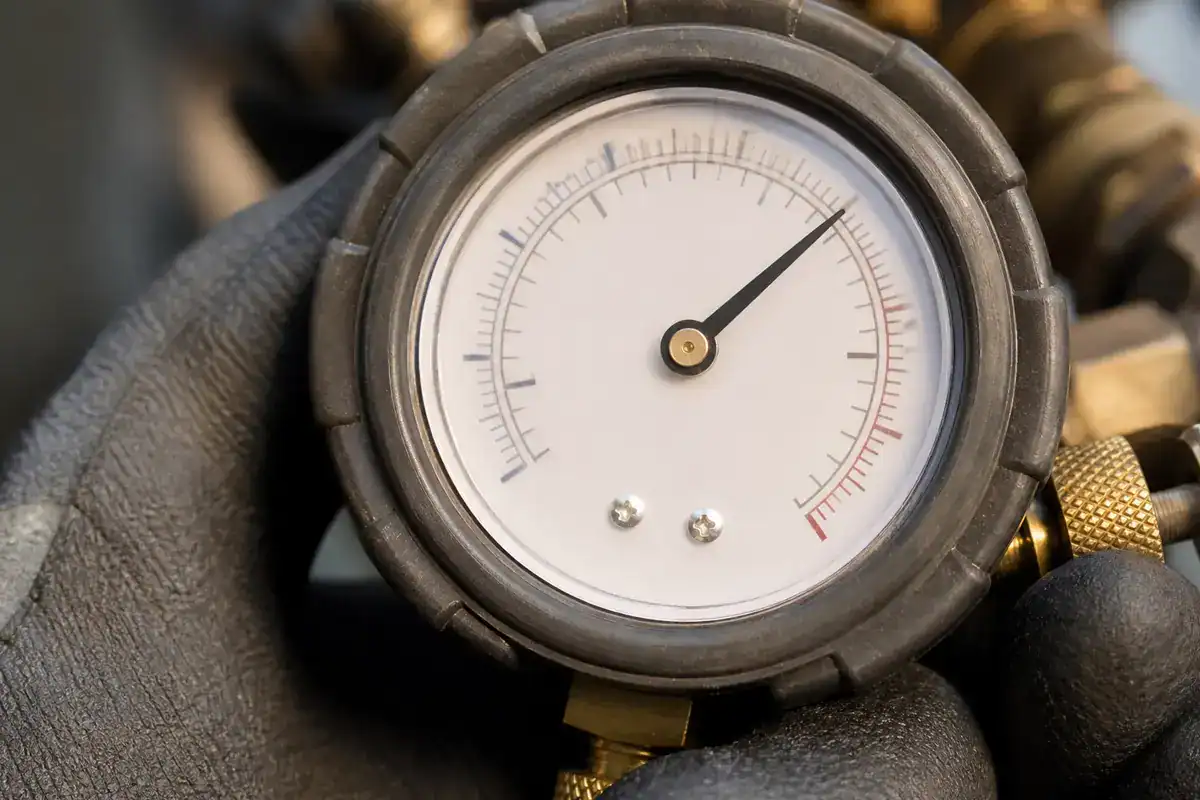
| Annual/periodic testing | 70-150 per test | 100-300 per assembly |
| Permit fee | 50-150 | 50-200 |
Why Replacement Sometimes Costs Less Than New Installation
When an existing backflow preventer fails or ages out, replacing it in the same location is often less expensive than a first-time installation. The plumbing connection point, isolation valves, and enclosure (if applicable) are typically already in place — the job is mostly removing the old assembly and installing the new one, rather than creating a new connection point from scratch. That said, replacement costs can climb if the old assembly’s pipe fittings are outdated or corroded, or if code has changed since the original installation and the replacement needs a different assembly type entirely. Ready for a quote on installation, replacement, or testing? Bison Plumbing’s LARA-licensed technicians handle all three, with financing available through GreenSky (Ref: 81085618). Call to schedule.
What Else Affects Your Total Cost
- Property type: Commercial and industrial connections almost always require larger, more expensive RPZ assemblies than a residential irrigation line.
- Assembly size: A 3/4-inch residential assembly costs meaningfully less than a 2-inch or larger commercial assembly of the same type.
- Accessibility: An assembly in an easily accessible mechanical room costs less to install or replace than one requiring excavation or confined-space access.
- Number of connections: A commercial property with separate domestic, fire, and irrigation taps may need multiple assemblies, multiplying both installation and annual testing costs.
Backflow Preventer Cost at a Glance
- Device type (PVB, DCA, or RPZ) is the biggest single driver of cost, ranging from $100 to $1,000+.
- New installation runs 300-800 residential, 500-2,500+ commercial; replacement in the same location is often somewhat less.
- Annual testing typically costs 70-150 residential, 100-300 commercial per assembly.
- Commercial properties with multiple connections (domestic, fire, irrigation) multiply both installation and testing costs across each assembly.
- Next step: get a quote on Bison’s backflow services, with financing available through GreenSky.