

Quick answer: In Michigan, a backflow preventer is required for any property with a cross-connection risk to the public water supply — most commonly homes with in-ground irrigation, commercial and industrial buildings, fire suppression systems, boilers, and any property where a local water authority has identified an unprotected connection. Residential installation typically runs 300-800 depending on the assembly type and access, while commercial installations range from 500-2,500 or more depending on pipe size and the number of connections. A licensed plumber installs the assembly, and most Michigan municipalities require the completed installation to be tested before it’s approved for service.
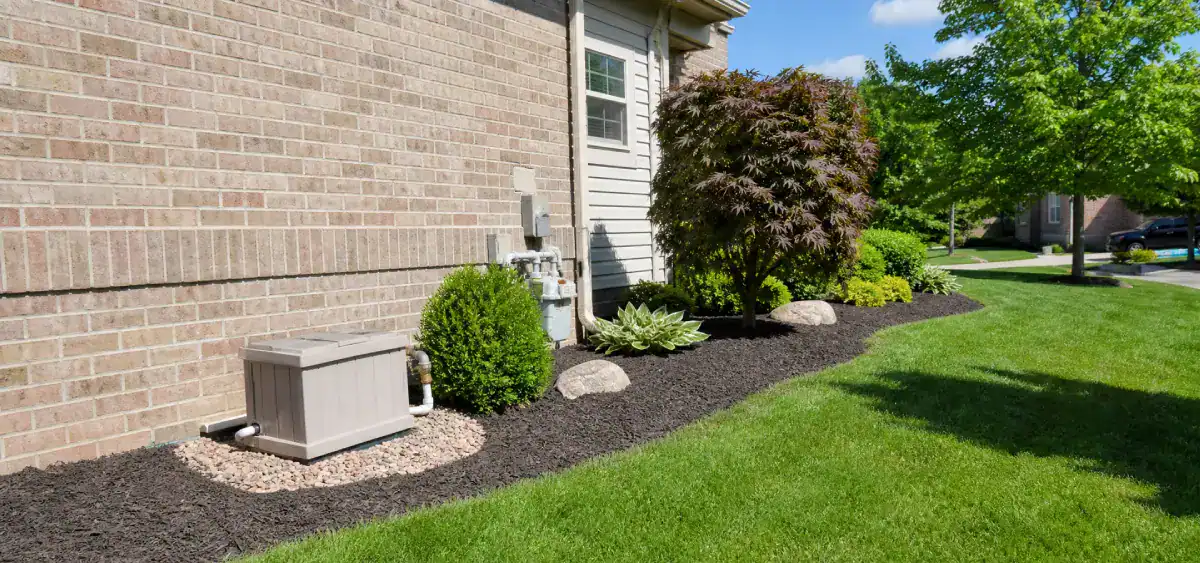
Michigan’s cross-connection rules come from Part 14 of the Michigan Safe Drinking Water Act Administrative Rules, enforced by EGLE, which requires every public water supply to run a cross-connection prevention program covering inspection, testing, and enforcement. In practice, that means most Macomb and Oakland County water authorities require a backflow preventer wherever a property’s plumbing could let something other than clean water flow back into the public system.
Who’s Actually Required to Have One
| Property Type | Why a Backflow Preventer Is Required |
| Homes with in-ground irrigation | Irrigation lines connect directly to the potable water supply and are considered a cross-connection risk under Michigan’s Safe Drinking Water Act rules |
| Commercial & industrial buildings | Classified as higher-hazard water customers under EGLE’s cross-connection framework, requiring containment backflow prevention at the water service entrance |
| Fire suppression systems | Stagnant water and sometimes additives in sprinkler lines create a contamination risk if it flows back into the main supply |
| Boilers & steam systems | Treated boiler water often contains chemicals that must never reach the drinking water supply |
| Medical, dental & manufacturing facilities | Process water, chemicals, or specialized equipment create elevated cross-connection hazard classifications |
| Any property with a known cross-connection | Once a local water authority identifies an unprotected cross-connection during inspection, installing a backflow preventer becomes mandatory to maintain water service |
What Installation Actually Involves
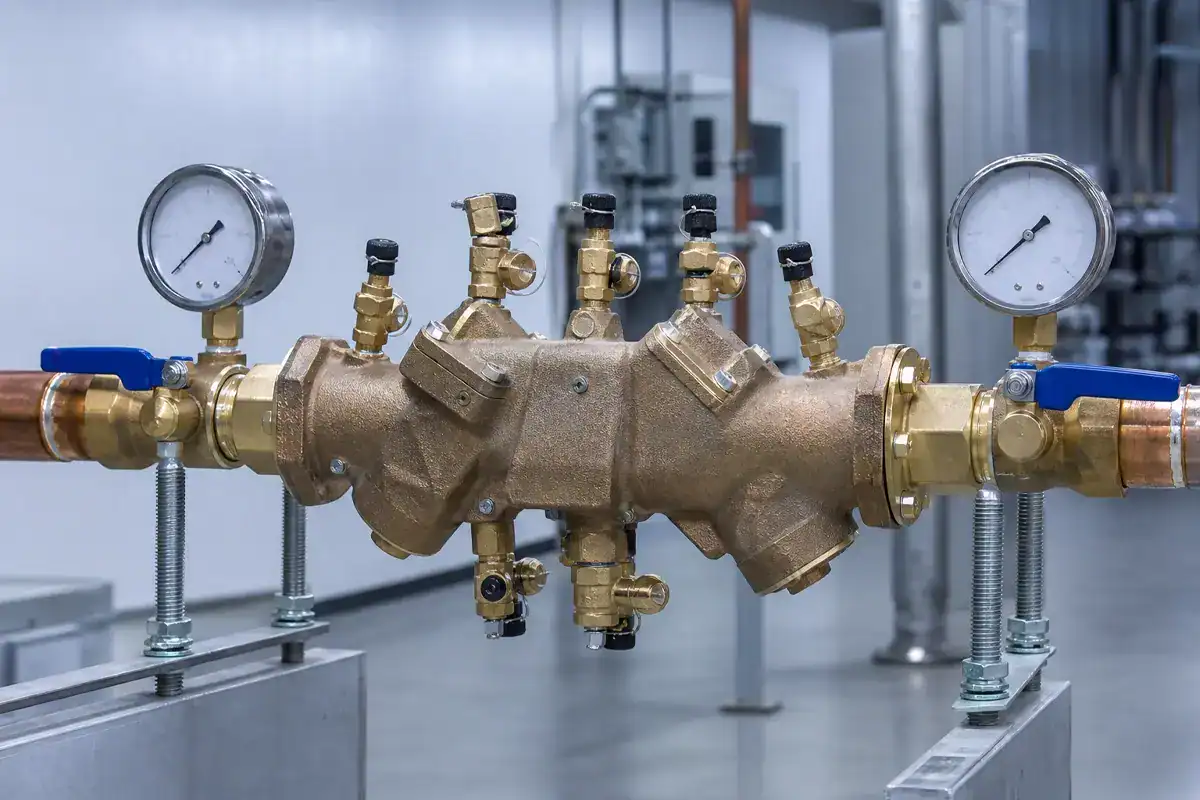
A new backflow preventer installation follows a fairly consistent process, whether it’s a residential irrigation line or a commercial fire suppression connection:
- Assessment: A licensed plumber identifies the cross-connection point and determines the correct assembly type — a pressure vacuum breaker for irrigation-only lines, or a reduced pressure zone (RPZ) assembly for higher-hazard commercial connections.
- Permitting: Most Michigan municipalities require a plumbing permit for new backflow installation, filed through the local building department before work begins.
- Installation: The assembly is installed at the appropriate point — typically where the line enters the building for containment protection, or immediately after the fixture for isolation protection — following manufacturer specs and local code.
- Initial certification test: Nearly every water authority requires a newly installed testable assembly to be certified by an ASSE 5110-certified tester before it’s approved, with results filed with the local water utility.
Need a new backflow preventer installed or replaced? Bison Plumbing’s LARA-licensed technicians handle installation and the required certification test in one visit. Financing available through GreenSky (Ref: 81085618). Call to schedule.
How Testing Frequency Actually Works in Michigan
This is a common point of confusion: testing frequency isn’t set by a single statewide number. EGLE requires every public water supply to maintain its own cross-connection prevention program, and each local water authority sets the specific testing interval for the assemblies in its service area — commonly annually for higher-hazard commercial connections, and often every few years for lower-hazard residential irrigation assemblies, though this varies by municipality. Your water bill or a notice from your local water authority will specify your property’s actual required interval.
Backflow Preventer Installation at a Glance
- Michigan properties with irrigation, commercial connections, fire suppression, boilers, or a known cross-connection are required to have a backflow preventer.
- Residential installation typically runs 300-800; commercial installation runs 500-2,500+ depending on size and complexity.
- Installation requires a permit, correct assembly selection, and an initial certification test by an ASSE 5110-certified tester before approval.
- Testing frequency is set by your local water authority, not a single statewide rule — check your specific notice or bill for your required interval.
- Next step: see Bison’s backflow testing and installation services or call to schedule an installation.
Frequently Asked Questions
Do I need a backflow preventer if I just have a home irrigation system?
Yes. An in-ground irrigation system connects to your home’s potable water supply and is considered a cross-connection risk under Michigan’s Safe Drinking Water Act rules, which is why most municipalities require a backflow preventer — commonly a pressure vacuum breaker — on any irrigation line.
How much does backflow preventer installation cost in Michigan?
Residential installation, typically for a single irrigation line, generally runs 300-800. Commercial installations, which often require larger reduced pressure zone (RPZ) assemblies and more complex piping, typically run 500-2,500 or more depending on the property’s connections.
Who is qualified to install a backflow preventer in Michigan?
Installation should be performed by a Michigan LARA-licensed plumber. Once installed, the initial and ongoing testing of the assembly must be performed by a tester holding current ASSE 5110 certification, a separate credential from plumbing licensure.
What happens if I don’t install a required backflow preventer?
Water authorities can suspend water service to a property with a known, unprotected cross-connection until a compliant backflow preventer is installed and tested. For commercial properties, this can mean a full operational shutdown until the issue is resolved.
Does a new backflow preventer need to be tested right after installation?
Yes. Nearly every Michigan water authority requires a newly installed testable assembly to pass a certified test before it’s approved for use, with the results filed with the local water utility as part of the permit close-out.
Related Resources
Whether you’re installing a backflow preventer for a new irrigation system or bringing a commercial property into compliance, Bison Plumbing’s LARA-licensed technicians handle installation, permitting coordination, and certified testing in one visit. Contact us today.
About Bison Plumbing: Bison Plumbing has served Warren, MI and the greater Macomb and Oakland County area since 1998. Founded by Jeff and Kathy, Bison is Michigan LARA-licensed with 2,800+ Google reviews and a Nextdoor Neighborhood Favorite 2023 award. Call to request a quote.