

A burst pipe during a Michigan winter can release hundreds of gallons in minutes, which is why the first 15 minutes matter more than almost anything that happens after your plumber arrives. Shut off the main water valve immediately, then work through electricity safety, drainage, a temporary patch, and getting help on the way — in that order. Here’s exactly what to do, minute by minute.
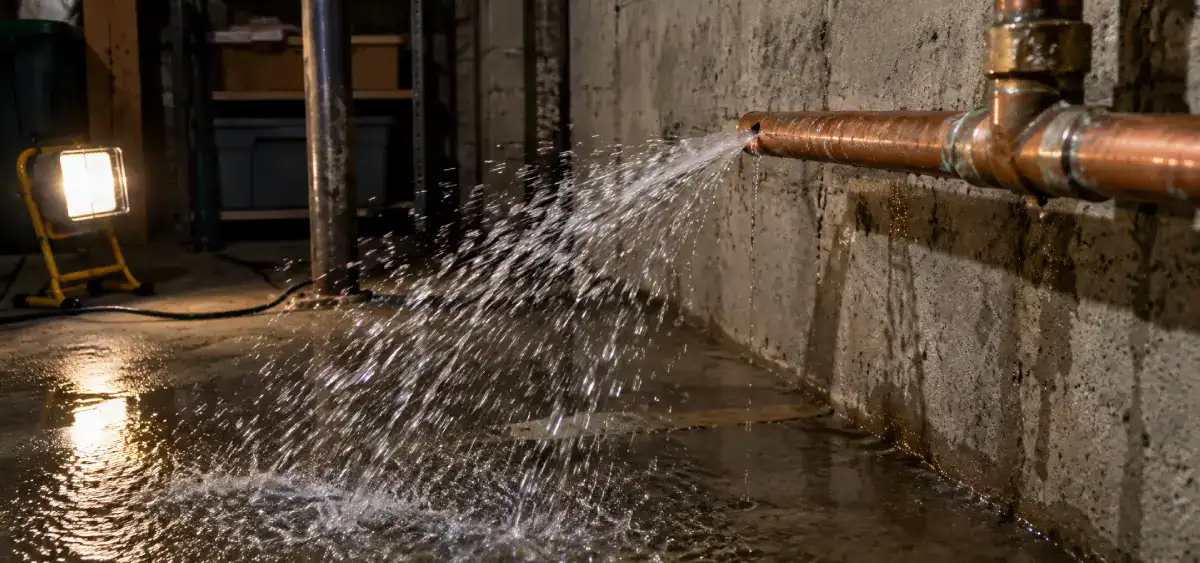
The First 15 Minutes, Minute by Minute
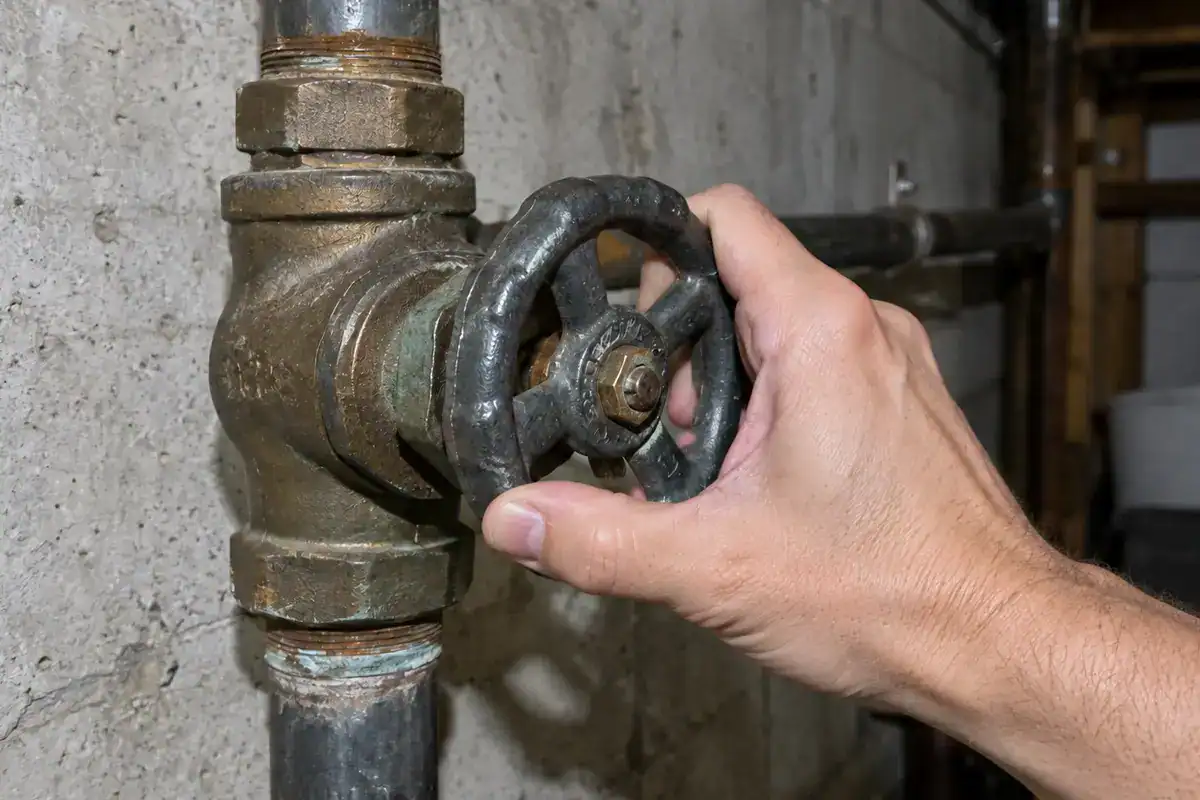
Move through these steps in sequence — each one builds on the last, and skipping ahead (like calling before shutting off the water) costs you time you don’t have. If you don’t know your main shutoff valve location, find it today, before you ever need it during an actual emergency.
| Minute | Do This | Why |
| 0-2 min | Shut off the main water valve | Stops the water source immediately — the single most damage-limiting action |
| 2-5 min | Turn off electricity to the affected area if water is near outlets or fixtures | Prevents electrical hazard from water contact |
| 5-8 min | Open the nearest faucets to drain remaining water and relieve pressure | Clears standing water in the pipes so less drains out at the break itself |
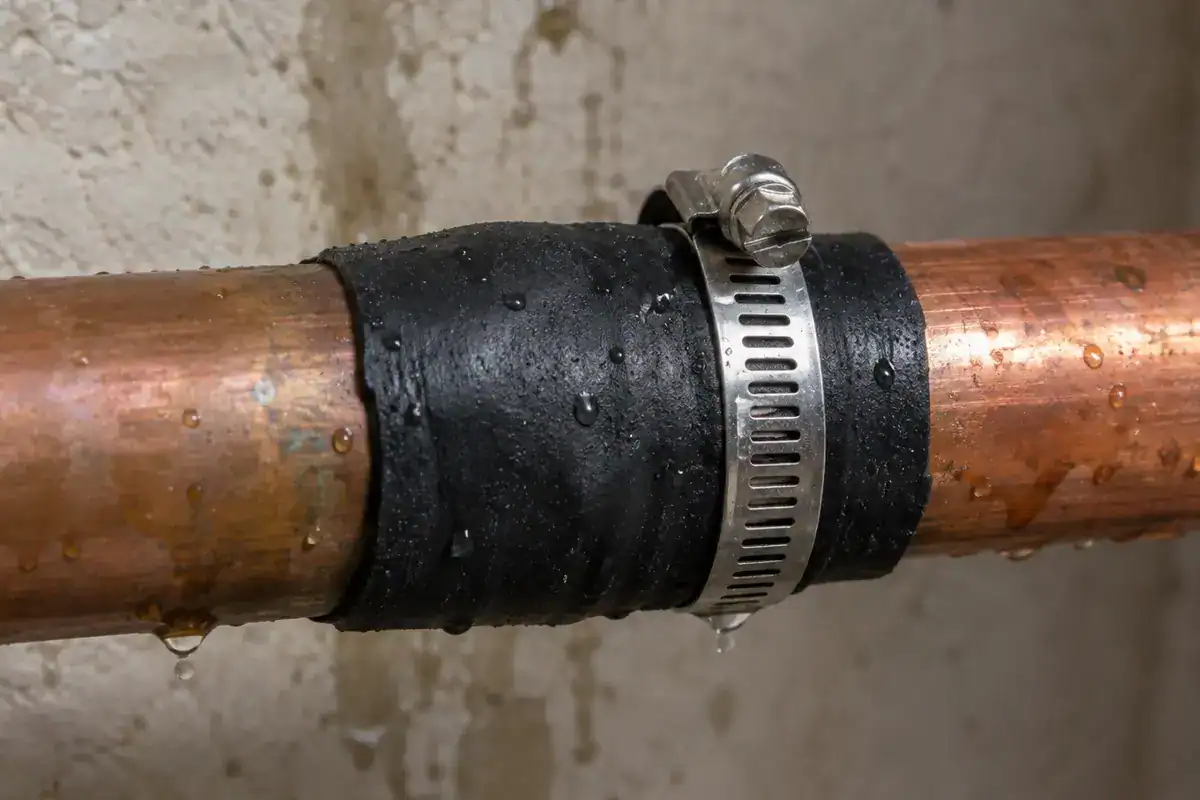
| 8-12 min | Locate the break and apply a temporary patch (rubber + hose clamp, or a pipe repair sleeve) | Slows the leak while you wait, limiting water damage to the immediate area |
| 12-15 min | Call a plumber and start photographing the damage | Gets a professional on the way and documents the loss for insurance |
The one step you can’t skip: shutting off the main valve first, before anything else, is what actually limits total water damage. Every minute spent doing something else first is a minute of continued flow.
Why Michigan Winters Cause This Specifically
Water expands roughly 9% when it freezes, and that expansion is what actually causes the rupture — not the ice itself. Per the Insurance Institute for Business & Home Safety (IBHS), frozen pipes remain among the most common causes of interior water damage claims during winter, and Michigan’s freeze-thaw pattern — repeated cycles of freezing and thawing rather than one sustained deep freeze — creates ongoing stress on pipes in unheated or poorly insulated spaces. IBHS specifically recommends keeping your thermostat at 55°F or higher even when away from home, since that’s the threshold below which pipe-freezing risk rises meaningfully.
What NOT to Do
- Don’t try to thaw a pipe before confirming whether it’s already burst: applying heat to a ruptured section can push water out faster once the blockage clears.
- Don’t use an open flame to thaw a pipe: a hair dryer or heating pad on an easily accessible section is safer than any open-flame method.
- Don’t ignore water near electrical outlets or fixtures: this is a genuine safety hazard, not just a cleanup issue.
After the First 15 Minutes
Once the water is shut off, the immediate area is safe, and a plumber is on the way, the rest is about limiting further damage: move valuables away from the affected area if it’s safe to do so, and keep documenting for your homeowners insurance claim, since a burst pipe from freezing is exactly the kind of event insurers ask for clear evidence and a timeline on. Full pipe repair — whether a spot repair or a section replacement — is a job for a licensed plumber, not a permanent DIY fix, even after your temporary patch has stopped the immediate flow.
Frequently Asked Questions
Should I turn off my whole home’s water for a burst pipe, or just the affected line?
For most residential setups, shutting off the main valve is the fastest, most reliable way to stop the flow, especially in the first few minutes when you may not yet know the exact source. A plumber can identify whether a more localized shutoff was possible once the situation is stabilized.
How long can a temporary patch hold before a plumber arrives?
A properly applied rubber-and-clamp patch can typically hold for several hours to a day under normal household pressure, but it’s a stopgap, not a repair — get a licensed plumber out as soon as reasonably possible rather than relying on it long-term.
Is a frozen pipe that hasn’t burst yet an emergency?
It’s urgent but not yet a flood emergency. If you catch it before it bursts, safely thawing it (never with an open flame) and calling a plumber to inspect it can prevent the rupture altogether.
Will homeowners insurance cover burst pipe damage from freezing?
Many standard policies cover sudden burst-pipe damage, though coverage can depend on whether reasonable precautions (like maintaining heat in the home) were taken. Review your specific policy or contact your insurer directly to confirm.
The first 15 minutes after a burst pipe determine how much damage you’re dealing with by the time help arrives. Shut off the water first, work through the sequence above, and you’ve done everything within your control before the professionals take over.
Bison Plumbing: Burst Pipe Repair All Winter Long
Bison Plumbing has repaired burst and frozen pipes across Macomb and Oakland County since 1998, with same-day response built specifically for Michigan’s freeze-thaw winters.
Call now or visit our plumbing repairs page to learn more about how we handle burst pipe damage.
Pipe burst right now?
Bison Plumbing responds fast across Macomb and Oakland County, with same-day service all winter long.