
Not every plumbing problem at 11pm is a true emergency — but in Ferndale specifically, some situations that look minor elsewhere genuinely can’t wait until morning. A basement floor drain backing up during a heavy rain, for instance, is a direct consequence of Ferndale’s combined sewer system and gets worse by the hour, not something to sleep on. Here’s how to actually tell the difference, and why Ferndale’s specific infrastructure changes the calculus.
The Decision: Call Now or Wait Until Morning
Use this as a starting guide, but when in doubt, call and describe what’s happening — a good dispatcher will tell you honestly whether it warrants tonight’s rate or can wait for a standard appointment.
| Situation | Call Now | Can Likely Wait |
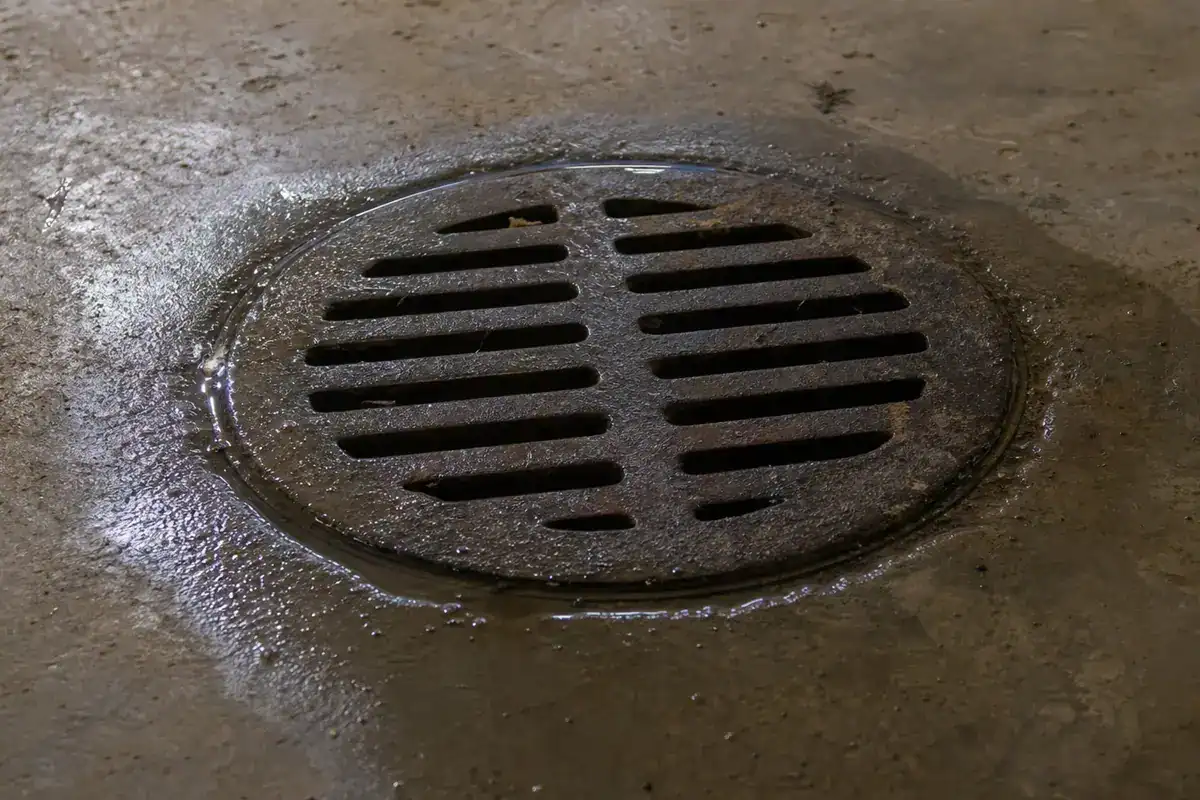
| Basement floor drain backing up during heavy rain | Yes — Ferndale’s combined sewer system makes this urgent, not routine | |
| Sump pump failed and water is rising | Yes — Ferndale’s high water table means this escalates fast | |
| One slow drain, no backup or standing water | Yes — schedule a normal appointment | |
| Burst pipe or water actively flowing where it shouldn’t | Yes — shut off the main valve and call immediately | |
| Dripping faucet or minor running toilet | Yes — annoying, not an emergency | |
| No hot water, but no leak or safety issue | Usually — unless it’s a health/safety concern for someone in the home |
Why Ferndale’s Infrastructure Changes This Calculation
Two things make certain situations more urgent in Ferndale specifically than they might be elsewhere. First, Ferndale’s combined sewer system carries both sanitary waste and stormwater in older sections of the city — during heavy Michigan rain, that combined flow can pressurize and push backward through the lowest point in your home, typically a basement floor drain. This isn’t a slow, wait-and-see problem; once that backpressure starts, it tends to escalate for as long as the rain continues. Second, Ferndale’s high water table means a failed sump pump during or after rain can flood a basement within hours rather than days, since groundwater is already close to the surface across much of the city.
The 24-48 hour reason speed matters: mold can begin colonizing wet building materials within 24 to 48 hours of water exposure. That window is exactly why a basement backup or sump pump failure left overnight can turn a plumbing problem into a mold remediation problem by the time you wake up.
This isn’t an exaggerated sales pitch — it’s EPA’s own guidance on water damage and mold prevention, which specifically recommends drying wet materials within that 24-48 hour window to prevent mold colonization.
What to Do While You Wait for the Plumber
- Stop using water if it’s a backup situation: every fixture you use adds to what’s already backing up.
- Move anything you can safely relocate away from a rising water area: without stepping into standing water if it may be contaminated.
- Keep the affected area’s lights on if it’s a basement: helps the technician assess quickly on arrival.
When It’s Genuinely Fine to Wait
A slow drain, a dripping faucet, a running toilet, or a minor issue with no active water flow or sewer backup risk can almost always wait for a normal-hours appointment. Paying an after-hours premium for something that isn’t actually urgent doesn’t get you a better outcome — it just costs more for the same eventual fix.
Frequently Asked Questions
Is a slow drain ever a real emergency?
Rarely on its own. A slow drain becomes urgent only if it’s actively backing up, affecting multiple fixtures at once, or occurring during heavy rain in a home with known combined-sewer exposure — otherwise it’s a normal-hours call.
Why does Ferndale specifically have more urgent basement backup situations?
Ferndale’s combined sewer system in older sections of the city carries both sanitary and storm flow together, which means heavy rain events create backpressure that can push toward basement floor drains — a dynamic that’s less common in areas with separated storm and sanitary systems.
Does calling after hours always cost more?
Policies vary by company. Ask directly when you call whether an after-hours or emergency rate applies to your specific situation before committing to a dispatch.
Should I try to fix a backup myself before calling?
For a basement backup or active flooding situation, no — attempting a DIY fix on a main line issue can worsen the problem or expose you to contaminated water. Stop using fixtures and call instead.
The honest answer to “can this wait” usually comes down to whether water is actively flowing where it shouldn’t, and whether Ferndale’s specific infrastructure — combined sewer, high water table — is amplifying that risk. When in doubt, a quick call gets you a real answer instead of a guess.
Bison Plumbing: Ferndale’s Emergency Plumber Since 1998
Bison Plumbing understands Ferndale’s specific infrastructure — aging clay and cast-iron laterals, combined sewer backpressure during heavy rain, and high water tables that strain sump pumps — because we’ve been serving this exact market since 1998.
Call now or visit our full Ferndale services page to learn more about how we work in this market.
Not sure if it’s a true Ferndale plumbing emergency?
Call and describe what’s happening — Bison’s dispatcher will give you an honest answer, not just a sales pitch.
Call for Emergency Guidance | (248) 247-7707