
Sewer Camera Inspection in Royal Oak, MI: What to Expect and Why You Need One
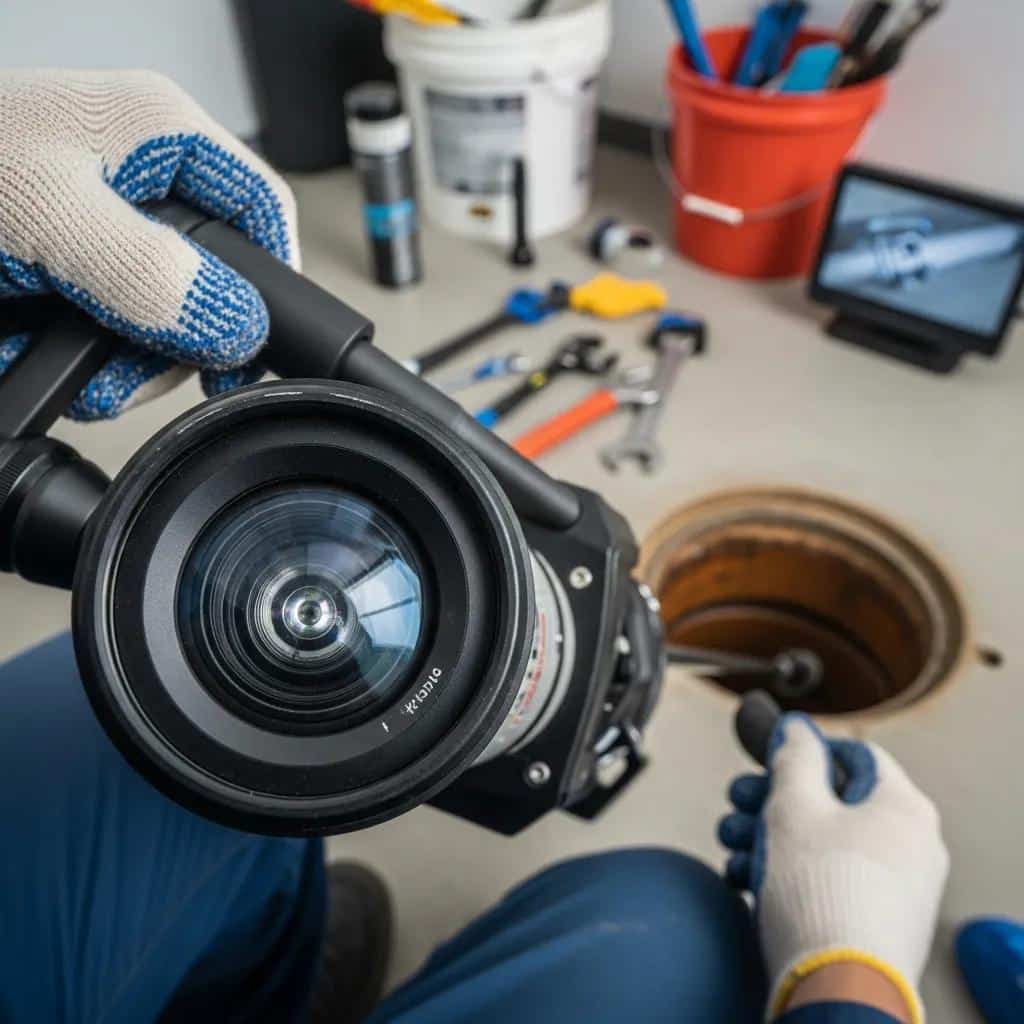
Sewer camera inspection is a non-invasive diagnostic used to evaluate underground sewer lines. A small, high-resolution camera provides live video of pipe interiors so technicians can find blockages, cracks, root intrusion, or material deterioration without excavation. In Royal Oak, MI, timely sewer camera inspection helps avoid larger repairs and preserves landscaping and property value. Learn more about our full range of sewers and drains services that protect Southern Michigan homes.
Key Takeaways
- Non-invasive visual assessment of sewer lines.
- High-resolution cameras provide real-time footage for accurate diagnosis.
- Typical process: prepare, insert, assess, identify, and report.
- Watch for soggy lawns, multiple slow drains, or sewage odors.
- Common findings: blockages, leaks, and pipe damage.
- Early detection limits repair scope and reduces costs.
- Inspections are minimally disruptive and cost-effective compared with excavation.
- Price drivers: inspection complexity, access, and extent of defects.
- Choose providers with experience, good reviews, and full inspection services.
How Does Sewer Camera Inspection Work in Royal Oak Plumbing Systems?
Technicians insert a flexible camera into the sewer through a cleanout or access point. The camera transmits live video to a display, letting the technician examine joints, cracks, roots, and obstructions in real time. Because the method avoids digging, it minimizes disruption and supports targeted repairs that reduce labor and material costs.
What Equipment Is Used During a Sewer Camera Inspection?
Inspections use a high-resolution video camera on a flexible push rod or remotely operated crawler for larger lines. The technician views live feed, captures still images, and records video for the post-inspection report. Modern systems may include sensors or localization transmitters to pinpoint defects.
Peer-reviewed and industry literature document the sophisticated sensor and imaging technologies incorporated into contemporary inspection systems and their operational capabilities.
Sewer Camera Inspection Equipment & Methods
Recent inspection devices incorporate multiple sensors and are frequently deployed on wheeled remotely operated platforms equipped with color, high‑resolution video cameras for visual examination of the pipe wall.
State of the art in sensor technologies for sewer inspection, K Althoefer, 2002
What Are the Step-by-Step Procedures of the Inspection Process?
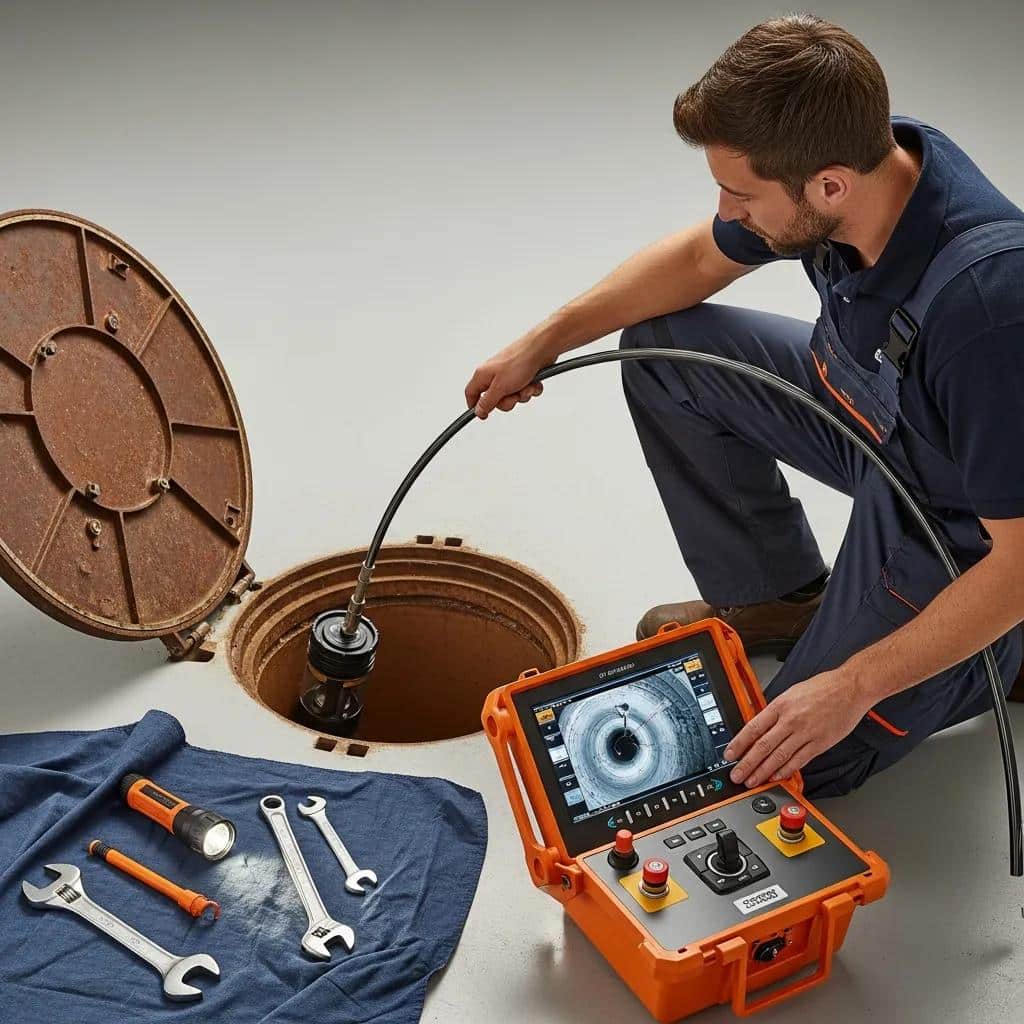
Typical inspection steps are straightforward and predictable:
- Preparation: Locate the cleanout, set up equipment, and confirm access.
- Insertion: Insert the camera or crawler and advance through the line.
- Assessment: Inspect joints, pipe interior, and flow conditions while recording video.
- Identification: Note blockages, leaks, root intrusion, offsets, or collapses.
- Reporting: Deliver a concise report with timestamps, images, and repair recommendations.
Continuous development in camera hardware and inspection methodologies incrementally improves diagnostic accuracy and operational efficiency for pipeline assessment.
Sewer Pipe Inspection Cameras & Methodologies
Various inspection techniques have been developed that rely on precision equipment (for example, lasers and cameras) and methodological refinements such as correction of image distortion caused by camera movement.
A technology for sewer pipe inspection (part 1): Design, calibration, corrections and potential application of a laser profiler, N Stanić, 2017
What Are the Signs You Need a Sewer Camera Inspection?
Consider an inspection if you notice any of the following common sewer drain problem symptoms:
- Soggy Lawn Patches: Persistent wet spots may indicate a leak.
- Slow Drains: Multiple slow fixtures suggest a mainline blockage.
- Sewage Smells: Odors near the home or yard can point to a sewer issue.
These symptoms may also indicate deeper structural failure — review our guide on signs you may need sewer line replacement to understand the full picture.
Which Common Sewer Line Problems Does the Inspection Detect?

Camera inspections commonly reveal:
- Blockages: Debris, grease buildup, or roots restricting flow. Persistent blockages may benefit from our hydrojetting service — see our hydrojetting vs. snaking comparison to choose the right solution.
- Leaks: Cracks, separations, or broken joints causing soil saturation.
- Pipe Damage: Corrosion, offsets, deformation, or collapsed sections.
How Can Early Detection Prevent Costly Repairs?
Early camera inspection finds small problems before they escalate. Clearing a developing blockage or patching a minor crack via trenchless sewer repair is far less expensive than emergency excavation, sewage cleanup, or full pipe replacement. Timely repairs preserve property and reduce downtime.
The integration of automated defect‑detection systems with CCTV platforms enhances the speed and precision of defect identification, improving the overall efficiency and accuracy of pipeline inspections.
Real-time Defect Detection in Pipeline Inspections
Integration of automated systems with CCTV inspection software can provide real‑time alerts and defect localization, materially improving the efficiency and accuracy of pipeline inspection operations.
Automated defect-detection system for water pipelines based on CCTV inspection videos of autonomous robotic platforms, R Rayhana, 2023
What Are the Benefits and Cost Considerations of Sewer Camera Inspection?
Benefits:
- Thorough inspection: Visual evidence of pipe condition.
- Minimally invasive: No digging required in most cases – explore our no-dig sewer repair options for follow-up solutions.
- Cost-effective: Targets repairs and avoids unnecessary excavation.
Local experience matters. Providers familiar with Royal Oak conditions—such as Bison Plumbing—can deliver clearer diagnostics and practical recommendations for repair or rehabilitation.
How Does Sewer Camera Inspection Provide Cost Savings for Royal Oak Clients?
Inspections support preventative maintenance and earlier, less expensive repairs. They reduce emergency callouts and help plan cost-effective rehabilitation or spot repairs rather than wholesale replacement, lowering lifetime system costs.
What Factors Influence Sewer Line Inspection Cost in Southern Michigan?
Key cost factors include inspection complexity, how accessible the access point is, line length, and the extent of damage found. Hard-to-reach cleanouts or severely damaged pipes typically increase time and cost.
How to Schedule Sewer Camera Inspection with the Best Companies Near You?
Contact Bison Plumbing at (586) 754-4281 or request an online quote. Provide a brief description of symptoms and access details so we can prepare equipment and give you an accurate estimate.
What Criteria Define the Best Sewer Inspection Companies in Royal Oak?
Select providers with:
- Experience with residential sewer inspections.
- Positive customer reviews and clear reporting examples.
- Comprehensive services including video reports and recommended repairs.
How to Request a Quote and Prepare for Your Inspection Appointment?
To request a quote, follow these steps:
- Contact us: Call or submit an online request.
- Provide details: Describe symptoms, the cleanout location, and any prior work.
- Prepare the site: Clear debris near the cleanout and ensure safe access.
Preparing in advance reduces on-site time and helps the technician complete a focused inspection.
Frequently Asked Questions
What is the typical duration of a sewer camera inspection?
Most residential inspections take about one to two hours, including setup, the inspection run, and a brief review of findings with the homeowner. More complex systems or significant defects may require extra time.
Can sewer camera inspections help with preventative maintenance?
Yes. Regular inspections reveal emerging defects so you can schedule repairs before failures occur, reducing emergency repairs and extending the useful life of the system.
Are there any risks associated with sewer camera inspections?
Inspections are low risk and non-invasive. Limitations include inability to pass collapsed or heavily deformed pipes, and hazardous sewer contents require trained technicians and safety controls.
How often should homeowners schedule sewer camera inspections?
Consider inspections every one to two years for routine maintenance, or sooner if you notice recurring slow drains, odors, backups, or after severe weather events.
What should I do if my sewer camera inspection reveals problems?
Follow the technician’s report: schedule recommended repairs with a licensed plumber, request written estimates, and choose solutions that restore function and prevent recurrence.
Can I perform a sewer camera inspection myself?
Consumer camera units exist, but professional inspections are recommended for accuracy and safety. Technicians bring better equipment, diagnostic skill, and reliable reporting.