

Sewer Smell in House: Causes, Health Risks, and Fast Fixes for Homeowners
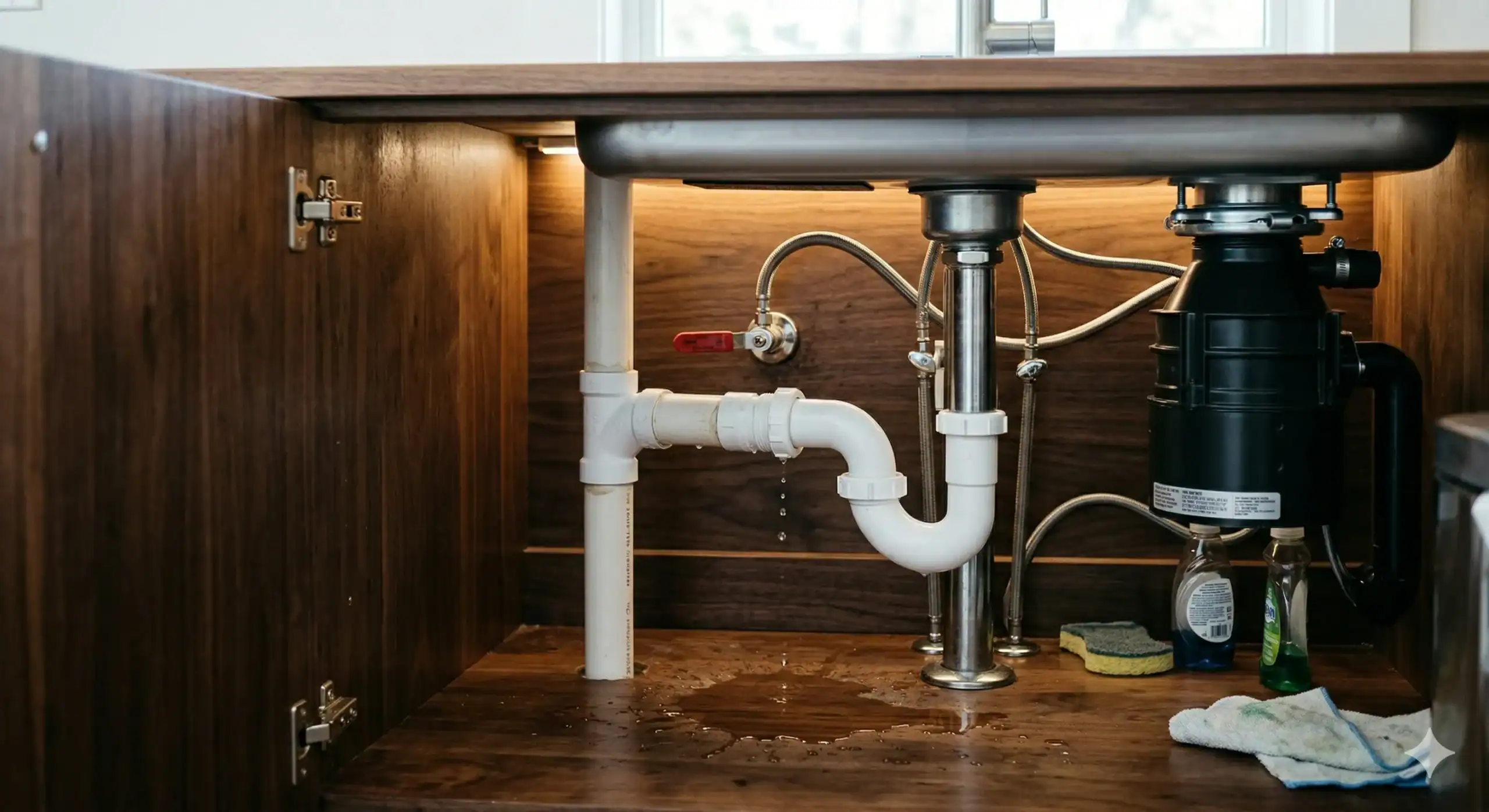
A sewer smell in your home usually signals a plumbing issue that needs quick attention. This guide covers common causes, the health risks of sewer gas, fast temporary fixes, and when to call a professional such as Bison Plumbing for a lasting repair.
Key Takeaways
- Sewer smells signal underlying plumbing problems that should be investigated.
- Hydrogen sulfide in sewer gas can irritate the respiratory system and eyes.
- Typical causes: cracked or corroded pipes and blockages.
- Watch for persistent odors, slow drains, and soggy ground.
- Short-term fixes: ventilate, refill traps, and call a plumber for inspection.
- Use drains regularly and inspect vents to prevent gas entry.
Health Risks:
Sewer gas exposure can cause headaches, nausea, eye and throat irritation at low levels. Higher or prolonged exposure may worsen respiratory or neurological symptoms. According to the International Association of Certified Home Inspectors (InterNACHI), persistent odors should prompt professional assessment to protect household health.
Historically, concern over sewer gas entering homes created public alarm and added a psychological dimension to the physical health risks associated with sewer systems.
Common Causes of Sewer Odors

Common sources of sewer smells include:
- Cracks or open joints in pipes that let gas escape.
- Corroded pipes or leaks creating pathways for odors.
- Blockages that cause sewage backup and foul smells.
Identifying the cause guides the repair approach and reduces repeat problems.
Signs of Sewer Problems
Early indicators include:
- Persistent sewage smells inside or near the home.
- Slow or multiple slow drains suggesting a main-line issue.
- Soggy or unusually wet ground in the yard near sewer lines.
Find and fix issues quickly to limit health and property damage.
Effective Fast Fixes:

Try these short-term measures while arranging a permanent repair:
- Ventilation: Open windows and use fans to clear the air.
- Contact a licensed plumber if odors persist or symptoms appear.
- Regular maintenance: routine inspections prevent recurrence.
If you’re in Michigan, Bison Plumbing can inspect and treat sewer odors quickly.
How Do Dry Drain Traps Allow Sewer Gas to Enter?
When trap water evaporates, the U-bend seal breaks and sewer gas can flow into the room. Run water periodically in infrequently used drains or install trap-seal primers to keep traps charged.
What Plumbing Vent Problems Lead to Sewer Odors?
Venting problems—cracked vent pipes, corrosion, or blocked vents—can allow gas to escape or prevent neutral ventilation. Regular vent inspections and clearing obstructions reduce this risk.
Is Sewer Gas Dangerous? Understanding Health Risks at Home
Yes. Hydrogen sulfide and other components can be harmful in higher concentrations. If you detect strong sewer odors or notice health symptoms, ventilate the area and get a professional inspection.
What Are the Symptoms of Sewer Gas Exposure?
Common symptoms include:
- Headaches
- Nausea
- Respiratory trouble at higher exposures
If occupants experience these symptoms, address the source promptly and seek medical help if symptoms are severe.
How Can You Protect Your Family from Sewer Gas Hazards?
Practical steps to reduce risk:
- Regular inspections to catch leaks, corrosion, and blockages early.
- Immediate action on odors: ventilate and call a pro.
- Educate household members to report smells and avoid tampering with plumbing.