

Most drain and sewer emergencies don’t start as emergencies. They start as a slow drain, a gurgle, or a smell that nobody wrote down. This guide gives you a simple system: the habits you can handle yourself, the work worth booking with a plumber, and the signs that tell you which is which. It draws on what Bison Plumbing sees in Macomb and Oakland County homes, where Bison says many sewer lines are 50 to 80 years old and shaded by mature trees.
The system in four steps: (1) Keep the wrong things out of your drains. (2) Watch for early signs and write them down. (3) Book professional cleaning on a schedule that fits your home. (4) Put a camera in the main line every few years so you have a record to compare.
What Goes Wrong in Michigan Drains
Bison’s clogged drain cleaning page notes that in homes built before 1980, which it says describes most of the housing stock in Macomb and Oakland County, drain lines are cast iron or clay. It lists the usual causes:
- Grease and soap scum coating cast-iron kitchen drain lines.
- Hair and soap buildup in tub and shower drains.
- Tree roots in clay sewer laterals. Bison names silver maple and willow roots as particularly aggressive in this region.
- Mineral scale from hard water, narrowing the pipe over time.
- Freeze-thaw and heavy rain. Bison says late winter and early spring are the most common times for backups, when thaw, heavy rain, and sump pump overload collide.
What to Do Yourself, and What to Book
A good maintenance system splits the work. Your part is daily and cheap. The plumber’s part is occasional and technical.
| Task | Who Does It | How Often |
| Keep grease, wipes, and paper products out of drains | You | Every day |
| Use sink and tub strainers | You | Every day |
| Notice slow drains, gurgling, odors, or wet spots, and write down the date | You | Monthly |
| Clean drain lines with professional jetting | A plumber | Every 12 to 24 months, by home type |
| Camera-inspect the main sewer line | A plumber | Every 3 to 5 years for homes over 30 years old |
| Cut tree roots out of the line | A plumber | As the camera shows, or on a schedule if roots keep returning |
| Test and service the sump pump | A plumber | Before the spring rains |
Habits that protect the line
The Insurance Information Institute (Triple-I) lists the basics in its guide to protecting your house from sewer backups:
- Pour cooled cooking grease into a container, not down the drain. Washing it away with hot water only pushes it down the line.
- Keep paper towels, diapers, and wipes out of toilets and drains.
- Have roots cut professionally if they keep coming back.
- Never connect sump pumps or French drains to the sanitary sewer. Triple-I says this is illegal and that the silt and debris will clog the line.
What not to do
- Don’t rely on chemical drain cleaners on older pipes. Bison advises against them, saying they can corrode aging material.
- Don’t treat a consumer pressure washer as a jetter. Bison says professional jetting needs training, the right nozzle, and a camera-confirmed pipe.
- Don’t stop at the snake. Bison says a clog that returns soon after snaking means the root cause wasn’t addressed.
How Often to Book Professional Cleaning
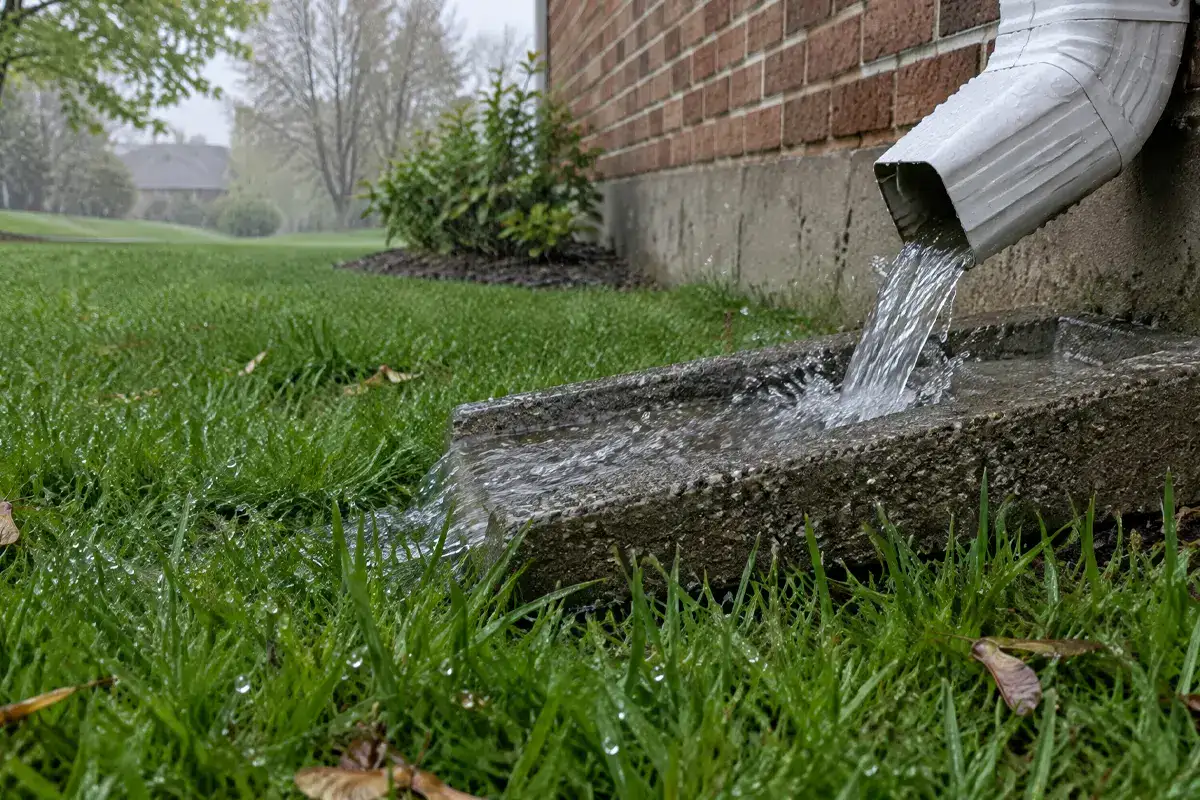
There is no one schedule for every home. Bison’s guide to how often to hydrojet your drains gives these starting points. Treat them as rules of thumb, and adjust after a camera shows how your pipes look.
| Your Home | Bison’s Suggested Interval | Why |
| Typical home with no recurring issues | Every 18 to 24 months | Standard preventive maintenance |
| Mature trees within 20 feet of the sewer line | Every 12 months | Roots keep growing back |
| Clay or cast iron pipes (pre-1980) | Every 12 to 18 months | Scale and wall buildup form faster in aging pipe |
| Grease-heavy cooking | Every 12 to 18 months | Grease coats kitchen lines quickly |
| Recurring backups or sluggish drains | As needed, then every year | A repeat problem points to a deeper cause |
| Newer PVC lines with no history of issues | Every 2 years or more | Lower risk, longer interval |
Snaking and jetting do different jobs. Bison says snaking clears a path through a clog, while jetting scours the pipe wall, so results typically last longer. Bison’s guide to hydro jetting vs. snaking explains when each fits, and its high pressure drain cleaning guide covers what to expect. Bison’s hydrojetting and residential hydro jetting pages describe the service. For a main line, see main sewer line cleaning.
High pressure can worsen a cracked or collapsed pipe, which is why Bison says a camera should confirm the pipe’s condition before jetting.
Read the Warning Signs: A Three-Level Guide
A simple rule helps: a single slow drain is usually a branch clog, while two or more slow fixtures point to the main line. Bison’s main sewer line cleaning page explains the difference, and why a drain keeps backing up goes deeper.
| Level | What You Notice | What to Do |
| Watch | One slow drain that clears with a plunger | It is usually a branch clog. Note the date. If it returns, move up a level |
| Schedule this week | Two or more fixtures slow at once; gurgling from a toilet or floor drain; a clog that returned after snaking; a faint sewer smell from a floor drain | Book a camera inspection and cleaning before it becomes a backup |
| Call now | Sewage backing up into a floor drain or tub; several fixtures backing up together; visible sewage in the yard over the sewer line | Stop using water and call a plumber right away |
Why a drain gurgles: Bison says that as water is forced past a partial obstruction, it pushes air back up through the nearest fixture. Gurgling often shows up days or weeks before a full backup, so treat it as a reason to schedule a camera visit.
For a longer list, see Bison’s guide to 11 sewer drain symptoms. If sewage is already coming up, Bison offers sewer backup response.
What a Camera Visit Adds to Your Plan
Cleaning keeps the pipe flowing. A sewer camera inspection tells you what condition it is in. Bison says it runs a camera before jetting as standard practice, and recommends a camera check every three to five years for homes over 30 years old. According to Bison, a camera visit includes:
| A Camera Visit Gives You | Why It Helps Your Maintenance Plan |
| Recorded video of the line | A baseline to compare against next time |
| Each defect with its distance from the access point | A repair crew can find it, and you can see whether it is changing |
| Pipe material and approximate size | Tells you which interval and method suit your pipe |
| Structural damage separated from buildup | Buildup is a maintenance item; structural damage is a repair decision |
| The repair method the footage supports | Keeps any quote tied to evidence |
To see what this looks like on real pipes, browse Bison’s sewer camera evidence gallery. Bison says its evidence library documents real inspections where the footage determined the repair method. After any repair, a post-repair inspection confirms the work and gives you a new baseline.
Protect the Basement From Rain and Thaw Backups
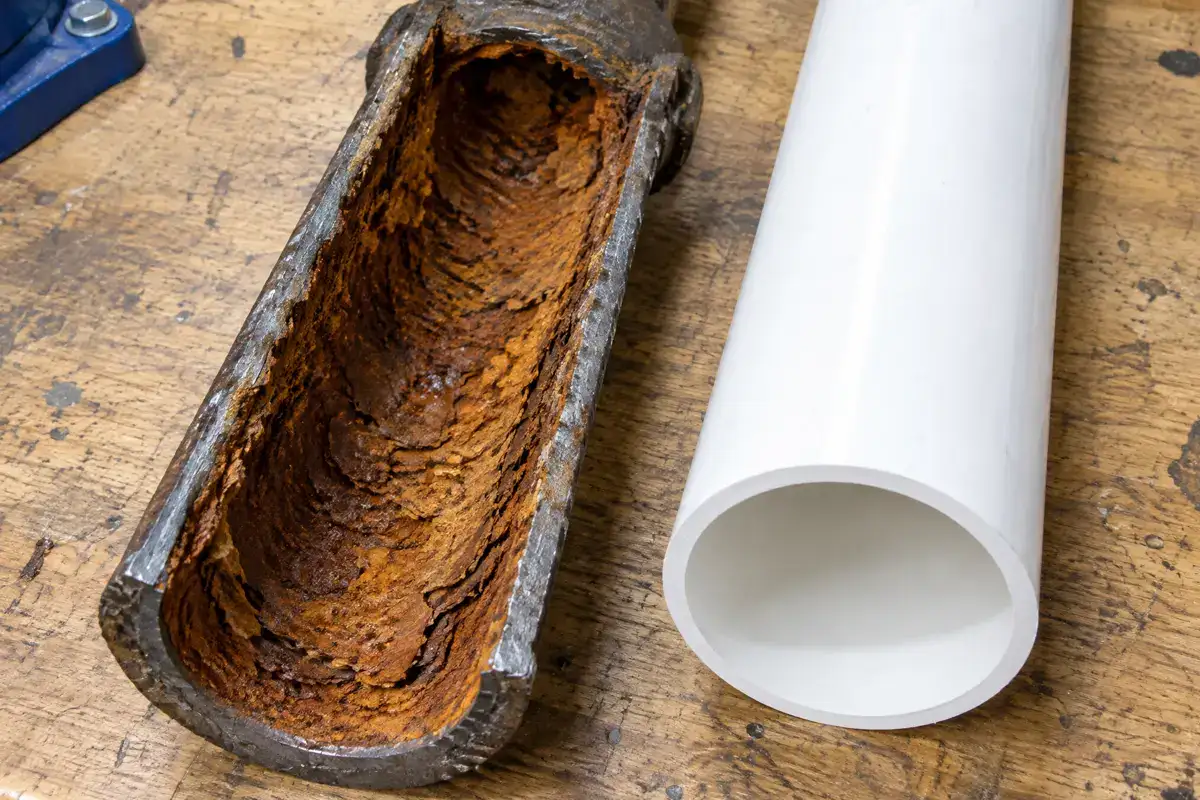
Bison says heavy rain can cause backups, and that parts of Warren have combined sewer infrastructure where stormwater and wastewater share pipes. In those areas, a backwater valve and a backup sump pump add protection. Bison’s sump pump service page covers the pump side. Triple-I describes a backwater valve as a device that lets sewage out of your house but stops it coming back in.
Then check the money side. In most places the homeowner owns the sewer lateral, the pipe between the house and the city main, including any part under the street, according to Triple-I. Triple-I also says sewer backup coverage is available from most insurers for a nominal cost. Many standard policies exclude sewer backup unless it is added, so ask your agent whether you have a water backup endorsement and what its limit is.
Buying or Selling? Maintenance as Documentation
A maintenance record is also a selling point. Bison suggests sellers do pre-listing drain cleaning and a camera inspection so buyers see documented pipe condition, and suggests buyers get a pre-purchase sewer inspection before closing on an older home. See Bison’s guides to a sewer scope inspection for a Michigan home purchase and to fixing a sewer line before selling.
If Maintenance Finds Damage
Sometimes the camera shows more than buildup. Bison’s repair options include CIPP pipe lining, pipe patching, no-dig sewer repair, and sewer line replacement. Ask for a written quote after you have seen the footage, and ask about financing and current specials if a repair is larger than you planned for.
Your One-Page Maintenance Plan
- Write it down. Keep a short log of slow drains, gurgles, and odors, with dates.
- Set your cleaning interval. Use the table above, then adjust to what the camera shows.
- Book a camera visit. Every three to five years for older homes, and before any jetting.
- Add rain protection. Ask about a backwater valve and a backup sump pump.
- Check your insurance. Ask about a water backup endorsement.
- Keep the footage. Store every report and video together so you can compare year to year and show it to a future buyer.
Frequently Asked Questions
How often should I have my drains professionally cleaned?
It depends on your home. Bison suggests every 18 to 24 months for a typical home, every 12 months with mature trees near the sewer line, and every 12 to 18 months for clay or cast iron pipes built before 1980 or for grease-heavy kitchens. A camera inspection helps fine-tune the schedule.
How do I tell a single clogged drain from a main sewer line problem?
A single slow or blocked drain is almost always a branch clog. If two or more fixtures are slow at the same time, or flushing a toilet makes water back up into the tub, the problem is in the main sewer line, according to Bison.
Is hydro jetting safe for older pipes?
It can be, but high pressure can worsen a cracked or collapsed pipe. Bison says a camera should confirm the pipe’s condition before jetting, so ask for a camera pass first.
Why does my clog keep coming back after snaking?
Bison says a clog that returns within weeks means the root cause wasn’t fully addressed. Snaking clears a path through the blockage but can leave residue on the pipe walls. A camera inspection shows whether the cause is buildup, roots, or damage.
Can heavy rain make my drains back up?
Yes. Bison says late winter and early spring are the most common times for backups, when thaw, heavy rain, and sump pump overload collide, and that some areas have combined sewer systems where stormwater and wastewater share pipes. A backwater valve and a backup sump pump can add protection.
Who is responsible for my sewer line?
In most places the homeowner owns the lateral, including any part under the street or public right of way, according to Triple-I. Ownership rules vary by community, so check with your municipality.
Does homeowners insurance cover a sewer backup?
Often not by default. Many standard policies exclude sewer backup unless you add a water backup endorsement, which Triple-I says is available from most insurers for a nominal cost. Ask your agent what your policy covers and the limit.
A maintenance plan can fit on one page. Keep the wrong things out of your drains, write down what you notice, book a cleaning on a schedule that suits your home, and put a camera in the line every few years. To set up a plan, call Bison at (248) 247-7707 or request a quote, and see its drain and sewer services.
Bison Plumbing: Family-Owned in Warren, Michigan Since 1998
Bison Plumbing is a family-owned, Michigan LARA-licensed plumbing and sewer company based at 25780 Ryan Rd in Warren. It serves homes and businesses across Macomb and Oakland County and says it runs a camera inspection before major sewer and drain work.
Call (248) 247-7707 to set up a maintenance plan.
Want a drain maintenance plan that fits your home?
Book a maintenance visit. Bison runs a camera before jetting and keeps the footage, so your schedule is based on what is actually in your pipes.
Schedule Maintenance