
Quick answer: How often should I hydrojet my drains? For most Oakland County homes, the answer is every 18–24 months as a preventive measure. Homes with mature trees near the sewer line, older clay or cast iron pipes, or a history of recurring backups should schedule hydrojetting every 12 months. Your specific frequency depends on your pipes, your yard, and how your drains behave — this guide breaks down every factor.
If you’ve been dealing with slow drains, a backup that keeps coming back, or drains that were snaked three months ago and are already sluggish again, your pipes are trying to tell you something. In Oakland County and across Macomb County, a lot of homes have sewer lines that are 50–80 years old, lined by mature trees, and prone to the kind of buildup that a standard drain snake simply can’t clear. Hydrojetting is the solution to that problem. But knowing how often you actually need it is the difference between proactive maintenance and expensive emergency calls.
In this guide, Bison Plumbing breaks down the recommended hydrojetting schedule for different types of homes, the local factors that affect that schedule in Macomb and Oakland County, and the warning signs that mean you shouldn’t wait another month.
What Is Hydrojetting and Why Does It Matter for Your Drains?
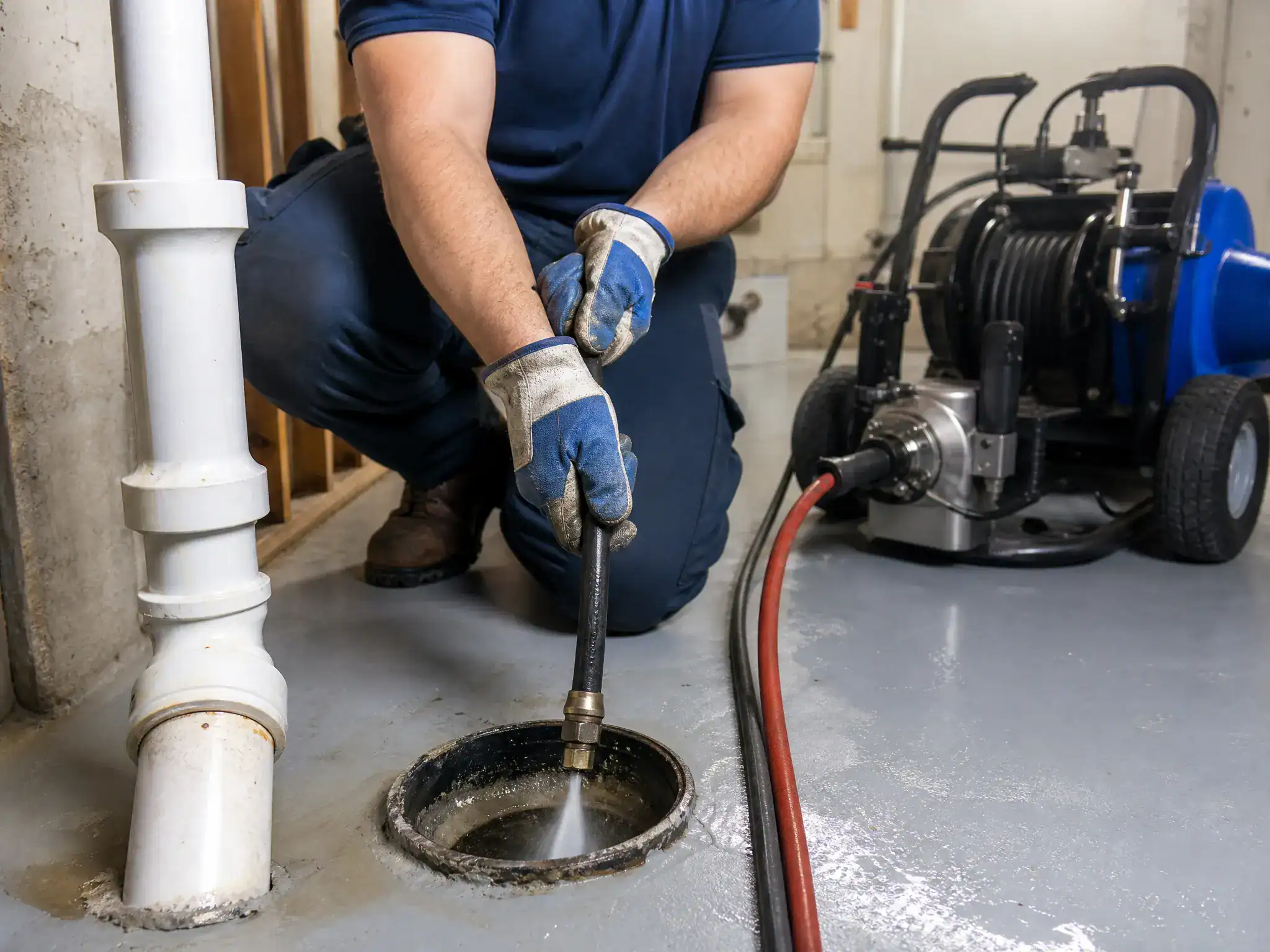
Hydrojetting is a professional drain cleaning method that uses pressurized water — typically 3,000 to 4,000 PSI — to scour the inside walls of your pipes. Unlike drain snaking, which punches a small hole through a clog and pushes debris forward, hydrojetting removes everything: grease, soap scum, mineral scale, tree roots, and years of accumulated buildup.
The result is a pipe that’s clean down to the wall — not just open enough for water to pass through. That’s why hydrojetting results typically last 1–3 years, while a snake job might last a few months before the same problem reappears.
💡 Pro Insight: Many homeowners assume their drain is “clear” after snaking because water starts flowing again. But if the root or grease wall that caused the clog wasn’t removed — just punctured — you’re already building toward the next backup. Hydrojetting eliminates the source, not just the symptom.
How Often Should I Hydrojet My Drains? (Short Answer by Home Type)
There’s no one-size-fits-all schedule. The right frequency depends on your home’s specific risk factors. Here’s a practical breakdown:
| Home Situation | Recommended Frequency | Why |
| Typical home, no recurring issues | Every 18–24 months | Standard preventive maintenance |
| Mature trees within 20 ft of sewer line | Every 12 months | Root intrusion is a year-round risk in Michigan |
| Older clay or cast iron pipes (pre-1980) | Every 12–18 months | Scale buildup accelerates in aging pipe material |
| Home with grease-heavy cooking | Every 12–18 months | FOG accumulates faster in kitchen laterals |
| Recurring backups or sluggish drains | As needed + annually | Ongoing issue signals structural or root problem |
| After a major sewage backup | Immediately | Emergency clearing before inspection and repair |
Most plumbing professionals recommend every 18–24 months for standard residential maintenance. If your home falls into one or more of the higher-risk categories above, move that schedule closer to annual.
What Makes Oakland County Homes Drain Different — and Why It Affects Your Schedule
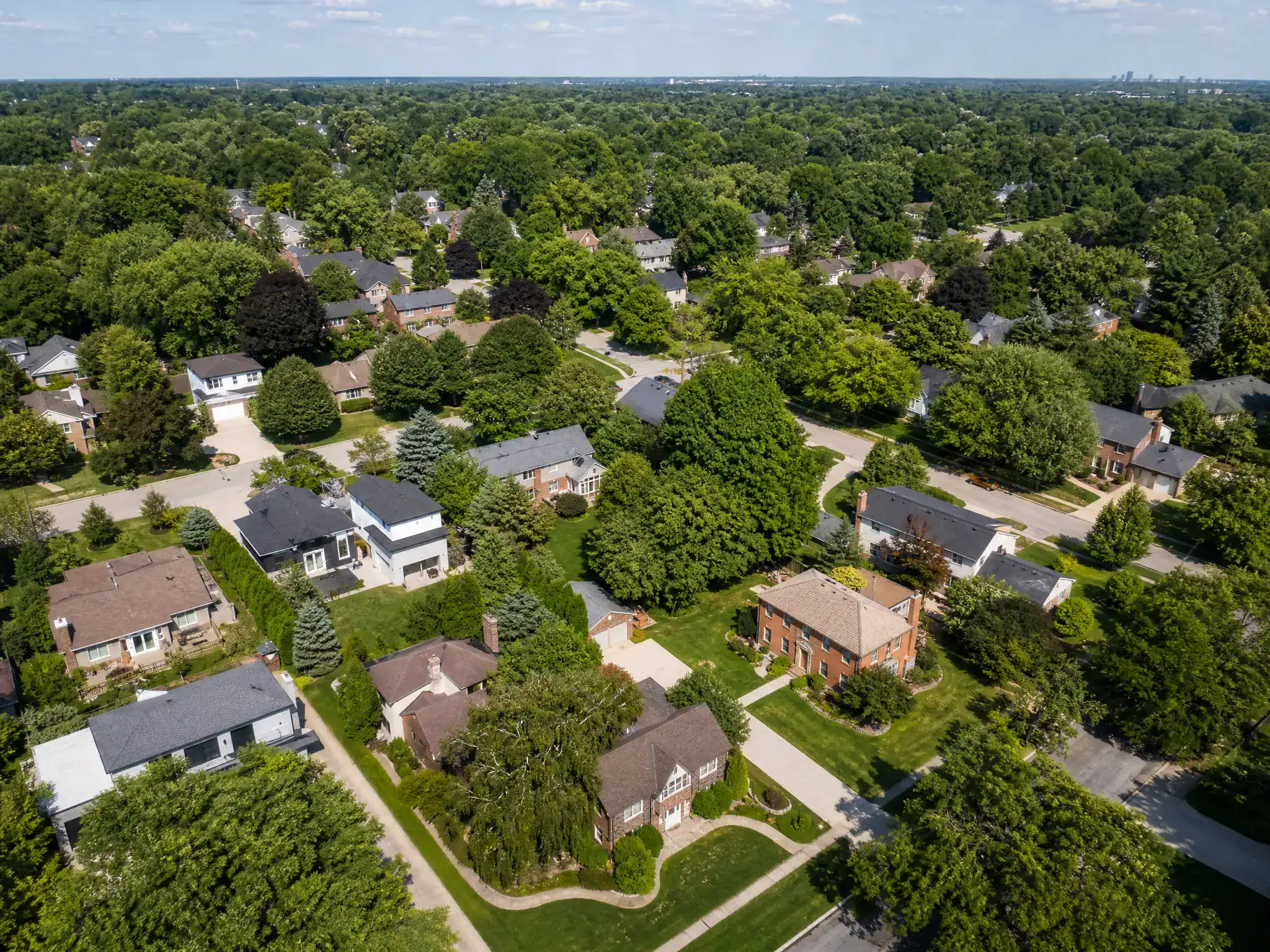
If you’ve read generic hydrojetting advice online, you’ve probably seen the same recommendations repeated everywhere. What those articles don’t account for is the specific plumbing reality in Southeast Michigan and Oakland County. Three local factors make hydrojetting more important — and more frequent — here than in many other parts of the country.
Why do older Southeast Michigan homes need more frequent hydrojetting?
Many homes in Ferndale, Royal Oak, Birmingham, Troy, and other Oakland County communities were built in the 1920s through the 1960s. That means their sewer laterals are clay tile or cast iron — materials that have long exceeded their design life. Cast iron corrodes from the inside out and develops scale buildup that narrows the pipe over time. Clay pipe joints — the points where pipe sections connect — are notorious entry points for tree roots. Both materials benefit from more frequent hydrojetting than newer PVC or HDPE lines.
How do mature trees affect how often I need hydrojetting?
Oakland County’s established neighborhoods are lined with decades-old maples, oaks, and willows. Their root systems actively seek moisture underground — and residential sewer lines are a prime target. Roots push through cracked clay joints, wrap around cast iron, and can cause a full blockage in 12–18 months if not cleared regularly. If you have large trees within 20 feet of your sewer line, annual hydrojetting is not optional — it’s the maintenance that keeps you out of emergency territory.
How do Michigan winters affect sewer lines and drain health?
Michigan’s freeze-thaw cycles create ground movement that shifts pipe joints, opening hairline cracks that roots then exploit. Combined with heavy spring rainfall and occasional sump pump overload, late winter and early spring are the most common times for Oakland County homeowners to experience sewer backups. Scheduling a hydrojetting service in the fall — before the ground freezes — is one of the best preventive moves you can make.
⚠️ Common Mistake: Scheduling hydrojetting only after a backup has already happened. By the time sewage is backing up into your basement floor drain, you’ve likely already got root intrusion or significant scale buildup that’s been building for months. Annual preventive jetting costs far less than emergency cleanup and repair.
What Are the Warning Signs That My Drains Need Hydrojetting Right Now?
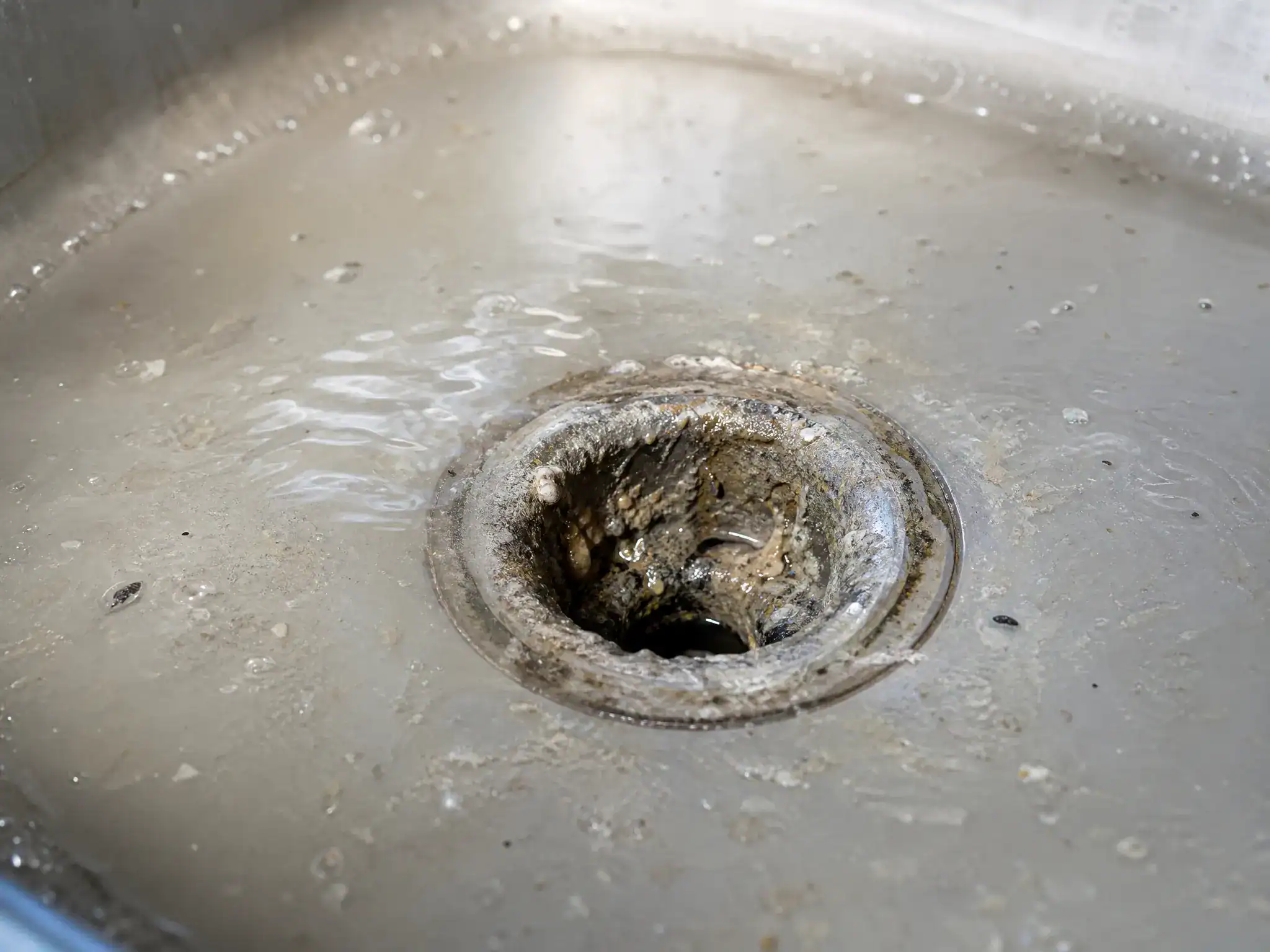
Preventive scheduling is ideal, but sometimes your drains give you clear signals that they can’t wait. Contact Bison Plumbing for hydrojetting if you notice any of the following:
- Multiple slow drains — when more than one drain in the house is sluggish, the problem is in the main line, not an individual fixture
- Gurgling toilets or floor drains — the sound of air trapped by a developing blockage
- Recurring backups — a drain that’s been snaked in the last 6 months and is already slow again
- Sewage odors from drains — indicates debris or root intrusion trapping organic material in the line
- Water backing up in basement floor drains — the most direct sign of a main sewer line obstruction
- You haven’t had the line cleaned in over 2 years — proactive maintenance, not emergency response
Any one of these signs is reason enough to schedule a camera inspection and hydrojetting appointment. Don’t wait for a full backup — the cost of cleanup and repair is always higher than the cost of prevention.
Is Hydrojetting Always the Right Choice — or Should I Just Snake the Drain?
Drain snaking has its place. For a simple hair clog near a bathroom fixture, snaking is fast, affordable, and effective. But for main sewer lines, recurring problems, or anything involving grease or tree roots, hydrojetting is almost always the better long-term investment.
Here’s the practical comparison:
| Drain Snaking | Hydrojetting | |
| What it does | Punches a hole through a clog | Scours entire pipe wall at 3,000–4,000 PSI |
| Removes grease and scale | Partial — pushes it forward | Completely — washes it out |
| Handles tree roots | Cuts a path through small roots | Flushes roots and debris from the line |
| Typical results last | 1–6 months | 1–3 years |
| Best for | Simple, near-fixture clogs | Main line blockages, recurring issues, aging pipes |
| Cost (Oakland County, 2026) | $100–$200 | $350–$600 |
The bottom line: if you’ve had the same drain snaked more than twice in a year, it’s time for hydrojetting. The extra cost upfront pays for itself in avoided emergency calls.
Where Should You Invest in Hydrojetting — and Where Can You Save?
Not every drain in your house needs the same attention. Here’s how to prioritize your maintenance budget:
💎 Worth Investing In
- Main sewer line — always worth professional hydrojetting
- Any line with known root intrusion history
- Kitchen drain lines with heavy grease use
- Homes built before 1980 with original clay or cast iron
- Pre-season jetting before Michigan winter (schedule in fall)
💰 Where You Can Save
- Individual bathroom fixture clogs — snaking is fine
- New PVC lines with no history of issues — extend interval to 2+ years
- Bundle with a camera inspection for better pricing
- Join a preventive maintenance plan to reduce per-service cost
TL;DR — Hydrojetting Your Drains at a Glance
- Standard Oakland County home: every 18–24 months
- Mature trees near your sewer line: every 12 months
- Pre-1980 clay or cast iron pipes: every 12–18 months
- Recurring backups or slow drains: schedule now, then go annual
- Hydrojetting vs. snaking: hydrojetting results last 3–5x longer; better for main lines and root issues
- Best time in Michigan: schedule in fall before the ground freezes
- Next step: Call Bison Plumbing at (248) 247-7707 for a free quote and camera inspection
Frequently Asked Questions
How often should I hydrojet my drains if I have mature trees nearby?
If you have large trees within 20 feet of your sewer line, annual hydrojetting is strongly recommended. Oakland County’s mature maples, oaks, and willows send roots aggressively toward pipe moisture, especially through cracked clay or cast iron joints. Annual jetting keeps root intrusion from escalating into a full blockage or pipe failure.
Is hydrojetting safe for older cast iron or clay pipes?
Yes, when performed by a licensed plumber who inspects the line first with a camera. A pre-jetting camera inspection confirms the pipe can handle the pressure. Bison Plumbing always runs a camera inspection before hydrojetting to protect your pipes and ensure the right approach for your specific pipe material.
What is the difference between hydrojetting and drain snaking?
Snaking punches a small hole through a blockage and pushes debris forward. Hydrojetting scours the full interior wall of the pipe at 3,000–4,000 PSI, removing grease, scale, and roots completely. Snaking results last 1–6 months. Hydrojetting results typically last 1–3 years, making it a more cost-effective long-term solution for recurring drain problems.
How much does hydrojetting cost in Oakland County, Michigan?
For most residential main sewer lines in Oakland County and Macomb County, hydrojetting typically runs $350–$600 (2026 pricing). The final cost depends on pipe length, access, and severity of buildup or root intrusion. Bison Plumbing provides upfront pricing before any work begins with no hidden fees.
What are the signs that my drains need hydrojetting right now?
Schedule hydrojetting now if you notice: multiple slow drains throughout the house, gurgling sounds from toilets or floor drains, recurring backups even after snaking, sewage odors from drains, or drains that have been snaked more than twice in the past year. These are all signals of buildup or root intrusion that snaking alone won’t resolve.
Related Sources
- Hydrojetting vs. Snaking: Which Is Better for Your Drains?
- 9 Signs You Need Sewer Line Replacement
- Why Is My Drain Backing Up? Causes, Fixes & When to Call a Plumber
- How Much Does Trenchless Sewer Repair Cost in Michigan?
- Sewer Backups: How to Prevent Them and What to Do
- What Is Hydro-Jetting & Why Would I Need It?
- Bison Plumbing Hydrojetting Services
Ready to Schedule Your Hydrojetting Service in Oakland County?
Knowing how often to hydrojet your drains is the first step — the second is making sure you’re working with a licensed, experienced plumber who inspects before they jet. Bison Plumbing has served Warren, Ferndale, Royal Oak, Birmingham, Troy, and communities across Macomb and Oakland County for over 25 years. We use Picote camera inspection technology to see exactly what’s in your pipes before we touch them, and we provide upfront pricing before any work begins.
Don’t wait for a backup to take action. Call Bison Plumbing at (248) 247-7707 or visit mybisonplumbing.com/contact/ to request a free quote. We’re available Monday–Friday 6am–8pm and Saturday 9am–1pm.
About Bison Plumbing: Bison Plumbing has served Macomb and Oakland County, Michigan since 1998, specializing in sewer line cleaning, hydrojetting, trenchless sewer repair, and residential plumbing services. Our licensed technicians are trained and certified through American Pipelining Solutions and hold a Michigan plumbing contractor license through LARA. Contact us at (248) 247-7707 or visit mybisonplumbing.com.