
Commercial
Hydro Jetting
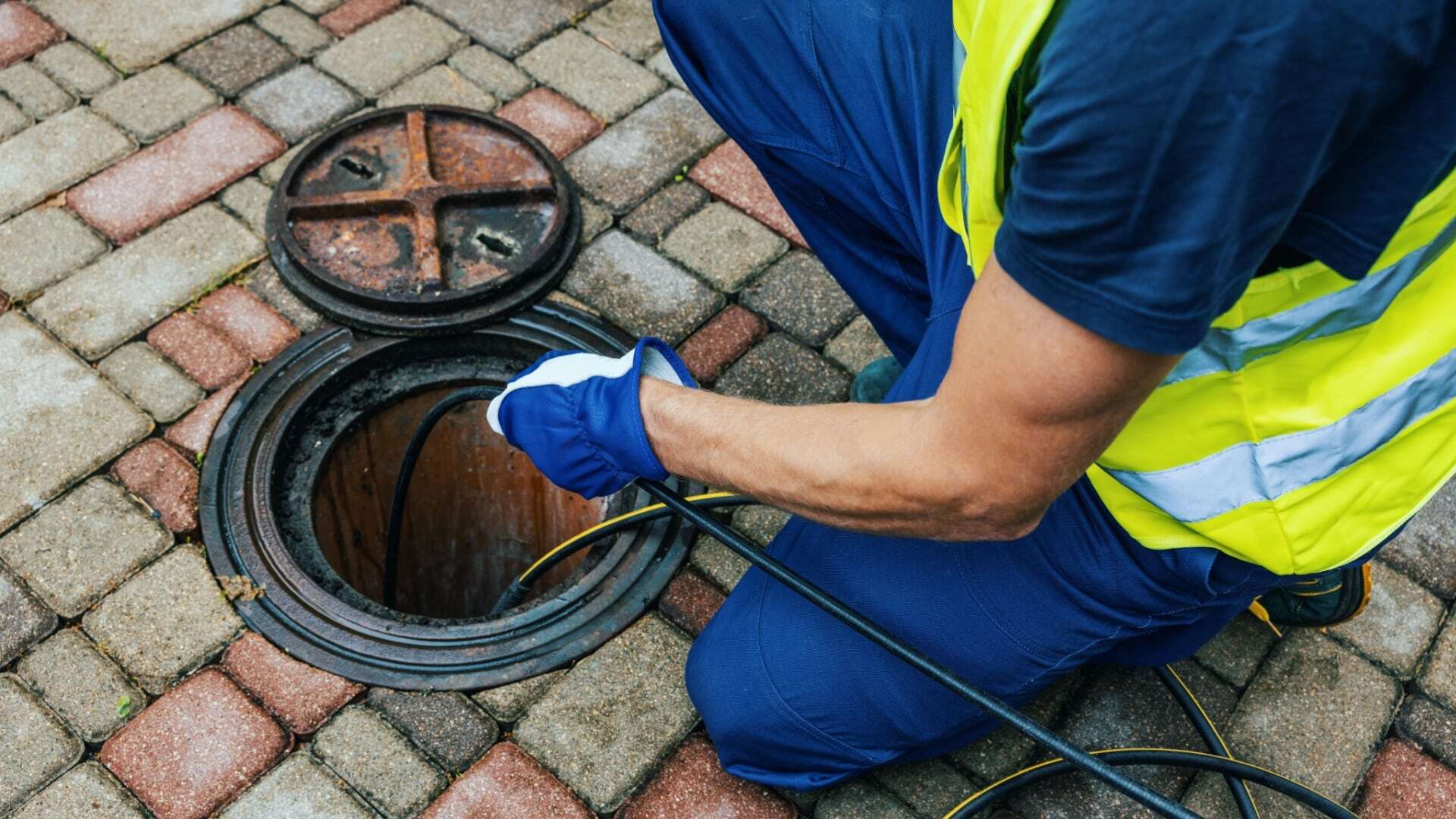
A grease-blocked commercial kitchen drain is a health code violation waiting to happen — and a backup during service is an operational emergency. Bison Plumbing’s commercial hydro jetting operates at higher PSI for larger-diameter commercial drain lines, clears FOG accumulation from restaurant and kitchen drain systems, and runs on your schedule — quarterly, biannual, or emergency same-day. Serving the Troy, Auburn Hills, and Warren commercial corridors since 1998.
Commercial hydro jetting uses high-pressure water (4,000–5,000+ PSI) to clear FOG (fats, oils, grease) buildup, scale, and debris from larger-diameter commercial drain lines — restaurant kitchens, floor drains, office buildings, and industrial properties. Grease accumulation in commercial kitchen lines is the leading cause of backups and health code violations in Macomb and Oakland County food service operations. Quarterly scheduling for high-volume kitchens. Biannual for offices. Emergency same-day available. Part of Bison’s Hydro Jetting and Commercial Plumbing services.
A Backed-Up Commercial Kitchen Drain Is a Health Code Violation
Under Michigan’s Food Law and local health department regulations, commercial food service operations are required to maintain functional drainage systems. A drain backup that causes wastewater to pool on kitchen floors, near food preparation surfaces, or in customer-accessible areas triggers mandatory health department inspection and can result in an immediate closure order. A documented recurring hydro jetting schedule demonstrates proactive food safety compliance — and prevents the emergency that makes compliance enforcement relevant.
Commercial vs. Residential Hydro Jetting — Why Higher PSI Matters
Commercial Hydro Jetting
Residential Hydro Jetting

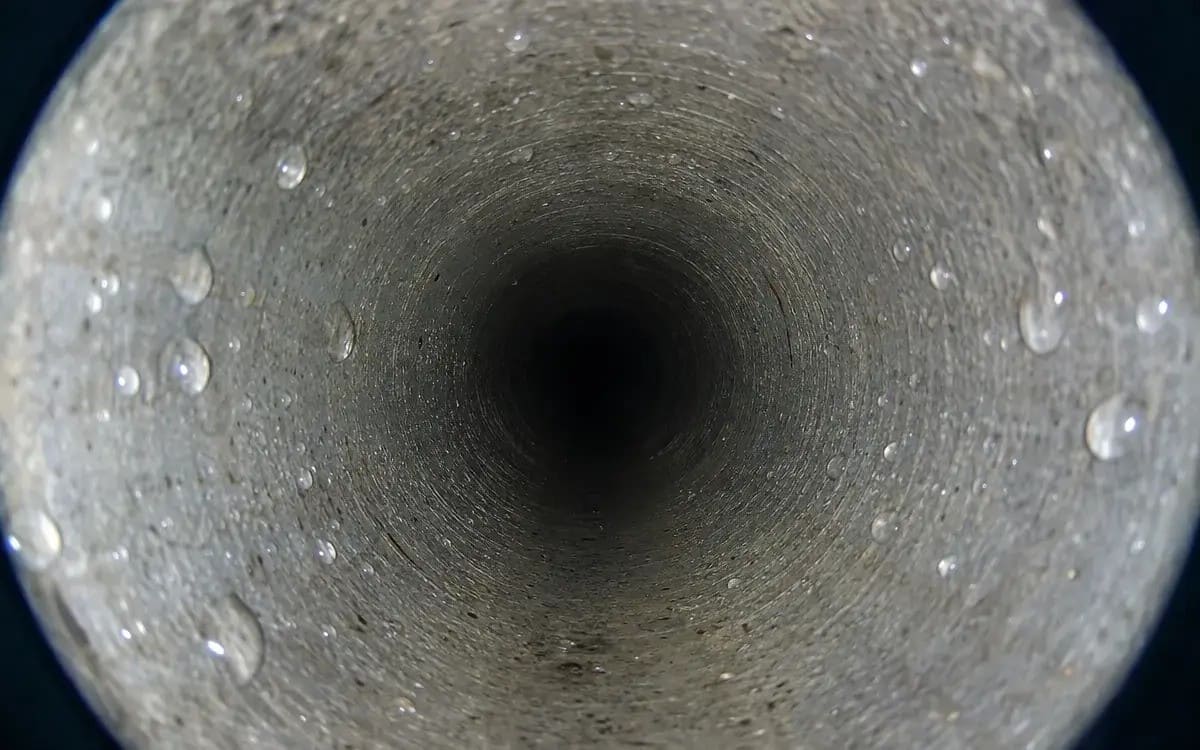
Camera footage from Bison Plumbing’s own commercial service records. Pre- and post-jetting footage is provided with every commercial job for compliance documentation.
Industries and Property Types Served
Full-Service Restaurants
High cooking volume, multiple kitchen stations, and floor drains accumulate FOG rapidly. Quarterly jetting prevents the grease concentration that causes backups and municipal FOG discharge violations. Floor drain cleaning included.
Fast Food & Quick Service
High-volume cooking in compact kitchen spaces with floor drains that handle heavy grease loads. Quarterly or biannual jetting depending on menu type and daily cover count. Service scheduled during off-hours to avoid operational disruption.
Office Buildings
Office building floor drains, break room sinks, and restroom laterals accumulate scale and soap buildup over time. Biannual jetting maintains flow in commercial restroom drain lines and prevents slow-drain complaints from tenants.
Retail & Mixed-Use
Shopping centers, strip malls, and mixed-use commercial properties with food tenants require more frequent jetting than those without. Main lateral cleaning and floor drain service prevents backup events that affect multiple tenants.
Hotels & Event Venues
Commercial kitchen and banquet facility drain lines generate significant FOG loads during high-occupancy events. Biannual jetting timed before peak event seasons keeps large-capacity kitchen drain systems clear.
Industrial & Manufacturing
Industrial floor drains and process water drain lines in manufacturing facilities accumulate solids, oils, and scale that reduce flow capacity over time. Annual large-diameter main line jetting at 5,000+ PSI clears industrial drain infrastructure.

Recommended Jetting Schedules by Property Type
Commercial Hydro Jetting Scheduling Guide
Every 3 Months
Full-service restaurants, high-volume commercial kitchens, fast food operations with fryers. FOG accumulation at cooking volumes requires quarterly clearing to stay ahead of backup risk and municipal FOG compliance thresholds.
Every 6 Months
Office buildings, low-to-medium volume food service, cafes, quick-service without fryers, hotels and event venues. Twice-yearly jetting maintains flow capacity and prevents slow-drain complaints from building occupants.
Once Per Year
Light commercial, retail without food tenants, industrial floor drains, and commercial properties where drainage demands are low. Annual jetting as preventive maintenance before issues develop.
Troy, Auburn Hills & Warren Commercial Corridors
🏢 High-Concentration Commercial Markets Served
Bison Plumbing serves commercial properties throughout Macomb and Oakland County’s densest commercial corridors — where restaurant and food service concentration makes drain maintenance a high-frequency operational requirement:
🏢 Troy — Somerset Collection & Big Beaver Corridor
Michigan’s largest retail concentration plus adjacent restaurant row and corporate campuses. High density of full-service restaurants, food halls, and hotel food service requiring quarterly kitchen drain service.
🏢 Auburn Hills — I-75 Commercial Corridor
Stellantis/Chrysler HQ campus, Oakland University, and I-75 commercial strip with significant food service density. Corporate campus cafeterias and restaurant corridor on Auburn Hills Drive generate high FOG volumes.
🏢 Warren — Van Dyke & Mound Industrial-Commercial
Warren’s dense industrial and commercial zones along Van Dyke and Mound Road corridors. Mix of manufacturing facilities with industrial floor drain needs and commercial food service along major corridors.
🏢 Birmingham & Royal Oak — Downtown Dining
Birmingham’s Old Woodward and Maple Road dining district plus Royal Oak’s Main Street restaurant corridor. Dense concentration of full-service restaurants in walkable downtown environments requiring regular kitchen drain maintenance.
Bison’s Commercial Hydro Jetting Process
Site Assessment — Map Drain Infrastructure and Set Schedule
For new commercial accounts, Bison performs a site assessment — mapping all drain lines, identifying grease interceptor locations, confirming pipe diameters, and assessing current accumulation level. This assessment sets the appropriate jetting schedule and establishes the baseline condition. For emergency calls, the assessment focuses on identifying the backup point and highest-priority lines to clear first.
Camera Confirmation — Locate Blockage and Assess Pipe Condition
Camera inspection confirms the accumulation location and severity before jetting begins — and identifies any structural pipe issues that would be aggravated by high-pressure jetting. For commercial kitchen lines with heavy FOG accumulation, camera footage also provides documentation of the pre-service condition for compliance records.
High-Pressure Commercial Jetting — Full Drain System
Commercial-grade jetting equipment at 4,000–5,000+ PSI runs each drain line from access point to the main lateral connection. FOG-cutting nozzle configurations are used for kitchen drain lines — the rotating fan spray penetrates and emulsifies grease deposits that standard nozzles cannot fully dislodge. Floor drains, branch lines, and the main lateral are all cleared in sequence.
Post-Jetting Camera Verification and Service Documentation
Post-jetting camera confirms full clearance of each drain line. Service documentation — including pre- and post-jetting camera footage and a service report — is provided for the property’s compliance records. For restaurants subject to health department inspection, Bison’s service documentation supports the drain maintenance compliance record. Recurring schedule is confirmed for the next service visit.

| Service | Cost Range | Notes |
|---|---|---|
| Restaurant / Commercial Kitchen Jetting | $400–$1,200 | Full kitchen drain system — floor drains, branch lines, and main lateral. Quarterly scheduling recommended. |
| Office Building Drain Jetting | $300–$800 | Floor drains, restroom laterals, break room lines. Biannual scheduling. Multi-floor buildings quoted per scope. |
| Large-Diameter Main Line Jetting | $600–$2,000 | 4–12 inch commercial main laterals for industrial, multi-tenant, and corporate campus properties. |
| Emergency Commercial Jetting | $500–$1,500 | Same-day response for active commercial backups. Priority dispatch for food service operations. |
| Recurring Service Contract | Reduced per-visit rate | Quarterly, biannual, or annual schedule contract. Reduced per-visit pricing vs. one-off calls. Contact Bison for quote. |
Commercial hydro jetting of kitchen drain lines works best when combined with a maintained grease interceptor (grease trap). The interceptor captures FOG before it enters the municipal sewer system — but the lines between the kitchen and the interceptor still accumulate grease buildup that requires regular jetting to clear. Bison’s grease trap cleaning service combined with quarterly kitchen drain jetting provides comprehensive FOG management for high-volume food service operations.


Related Services
Hydro Jetting Hub
All hydro jetting services — residential, commercial, and grease trap cleaning.
Grease Trap Cleaning
Grease interceptor pumping and cleaning — the partner service to kitchen drain hydro jetting.
Commercial Plumbing
Full commercial plumbing services for property managers, facilities teams, and business owners.
Frequently Asked Questions — Commercial Hydro Jetting
High-volume restaurant kitchens should schedule hydro jetting quarterly (every 3 months). At high cooking volumes, fats, oils, and grease accumulate rapidly in kitchen drain lines and floor drains. A quarterly jetting schedule prevents grease from reaching the concentration that causes backups, health code violations, and municipal FOG discharge compliance issues. Lower-volume commercial kitchens — cafes, small quick-service operations, office cafeterias — can typically operate on a biannual schedule.
Commercial hydro jetting operates at higher PSI (4,000–5,000+ PSI) than residential jetting to handle larger-diameter commercial drain lines (4–12 inches vs. 1.5–4 inches in residential), higher grease volumes from commercial kitchen operations, and longer drain runs in commercial buildings. Commercial jetting equipment also has higher water volume capacity (gallons per minute) which matters when clearing a 6-inch grease-laden commercial kitchen lateral vs. a 2-inch residential kitchen drain.
Yes — a backed-up drain in a commercial kitchen is a health code violation in Michigan. Under Michigan’s Food Law and local health department regulations, commercial food service operations must maintain functional drainage systems. A backup that causes wastewater to pool on kitchen floors or near food preparation surfaces can result in an immediate closure order. Regular hydro jetting prevents this scenario — and a documented drain cleaning schedule demonstrates proactive food safety compliance to health inspectors.
Restaurant and commercial kitchen hydro jetting runs $400–$1,200 per service. Office building and commercial property drain jetting runs $300–$800. Large-diameter main line jetting runs $600–$2,000 for industrial and multi-tenant commercial properties. Emergency same-day commercial service runs $500–$1,500. Recurring service contracts for quarterly or biannual scheduling are available at reduced per-visit rates.
Yes — Bison serves commercial properties throughout the Troy Somerset Collection area and Big Beaver corridor, the Auburn Hills Chrysler/Stellantis HQ campus and I-75 commercial corridor, the Warren industrial and commercial zones along Van Dyke and Mound Road, and commercial districts throughout Birmingham, Rochester Hills, Royal Oak, and Sterling Heights. Both scheduled recurring commercial jetting and emergency same-day response are available across all Macomb and Oakland County commercial markets.
Commercial Drain Backed Up? Need a Recurring Schedule?
Bison Plumbing’s commercial hydro jetting serves restaurants, office buildings, and industrial properties across Macomb and Oakland County. Emergency same-day response and recurring service contracts available. Warren, MI since 1998.
Schedule Commercial Hydro Jetting ✆ (248) 247-7707 3,000+ five-star customers — LARA licensed — 24/7 emergency commercial response