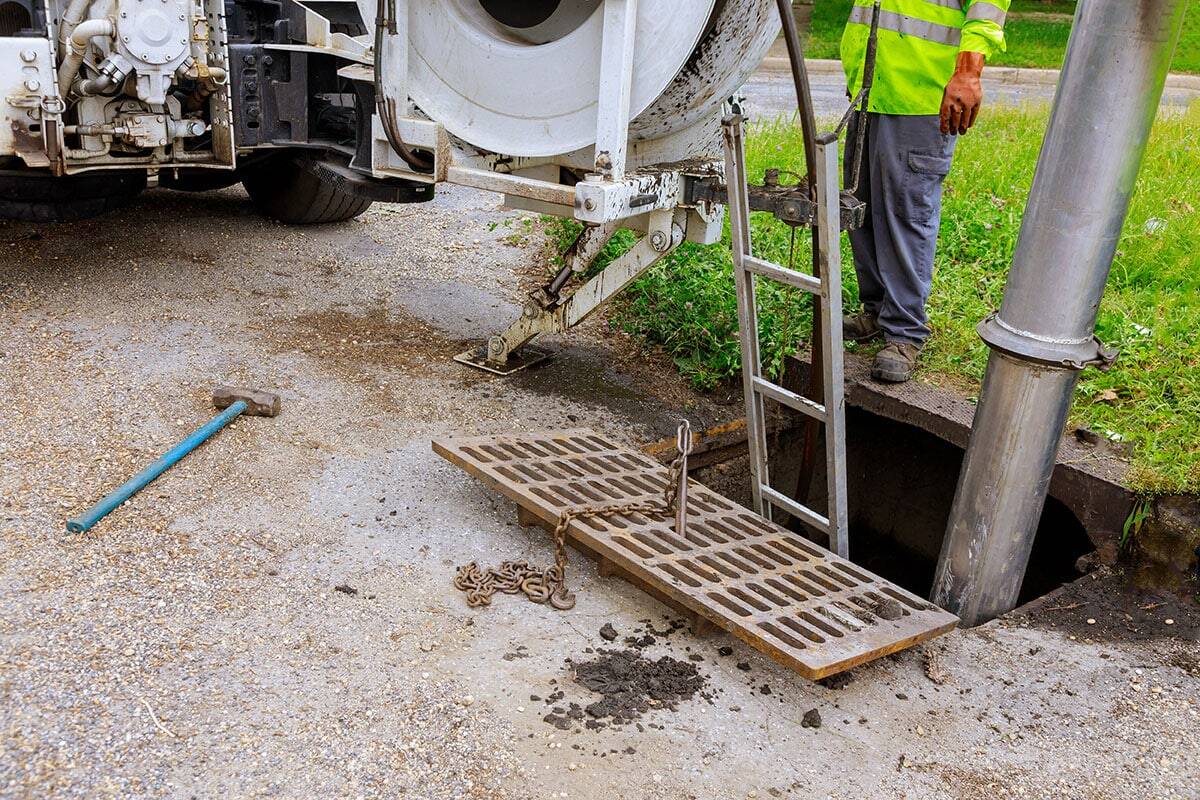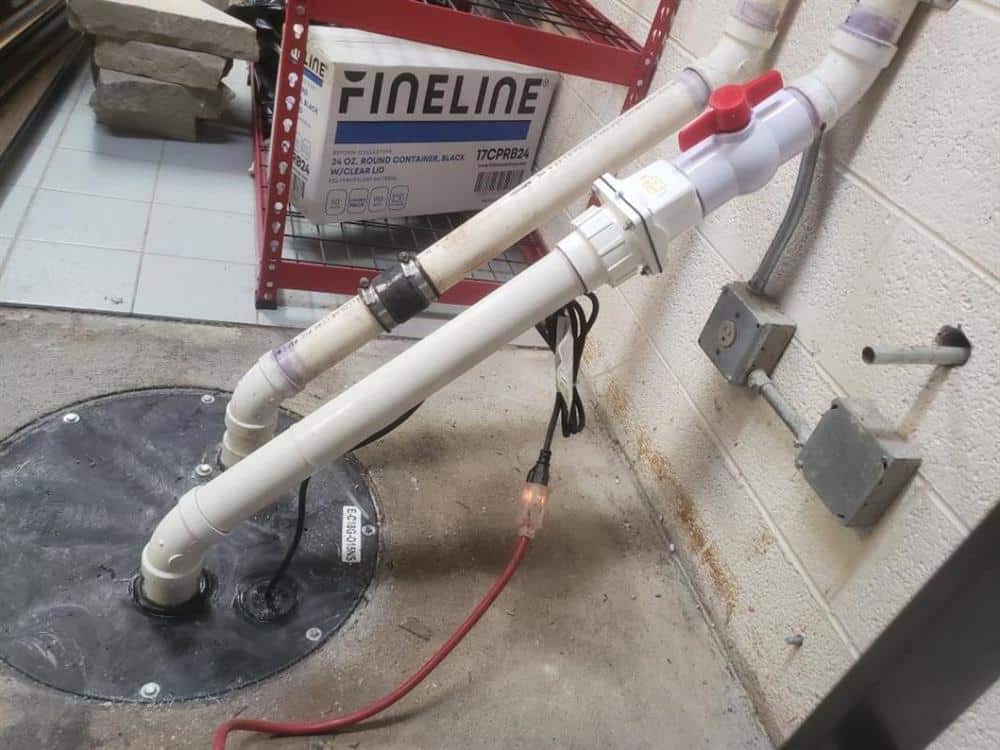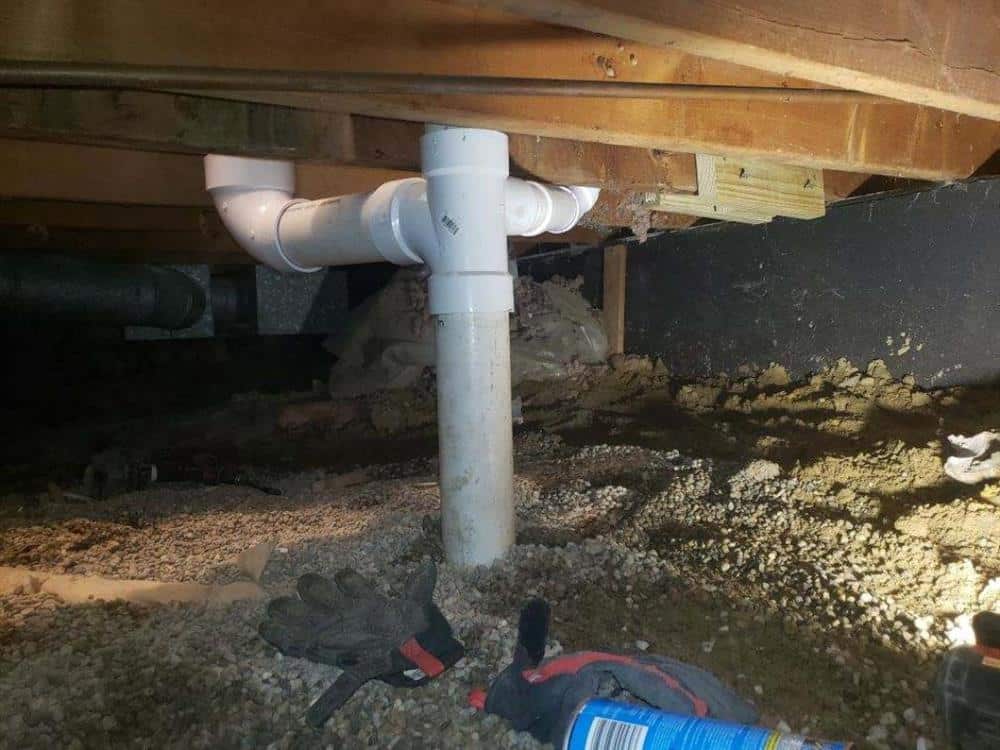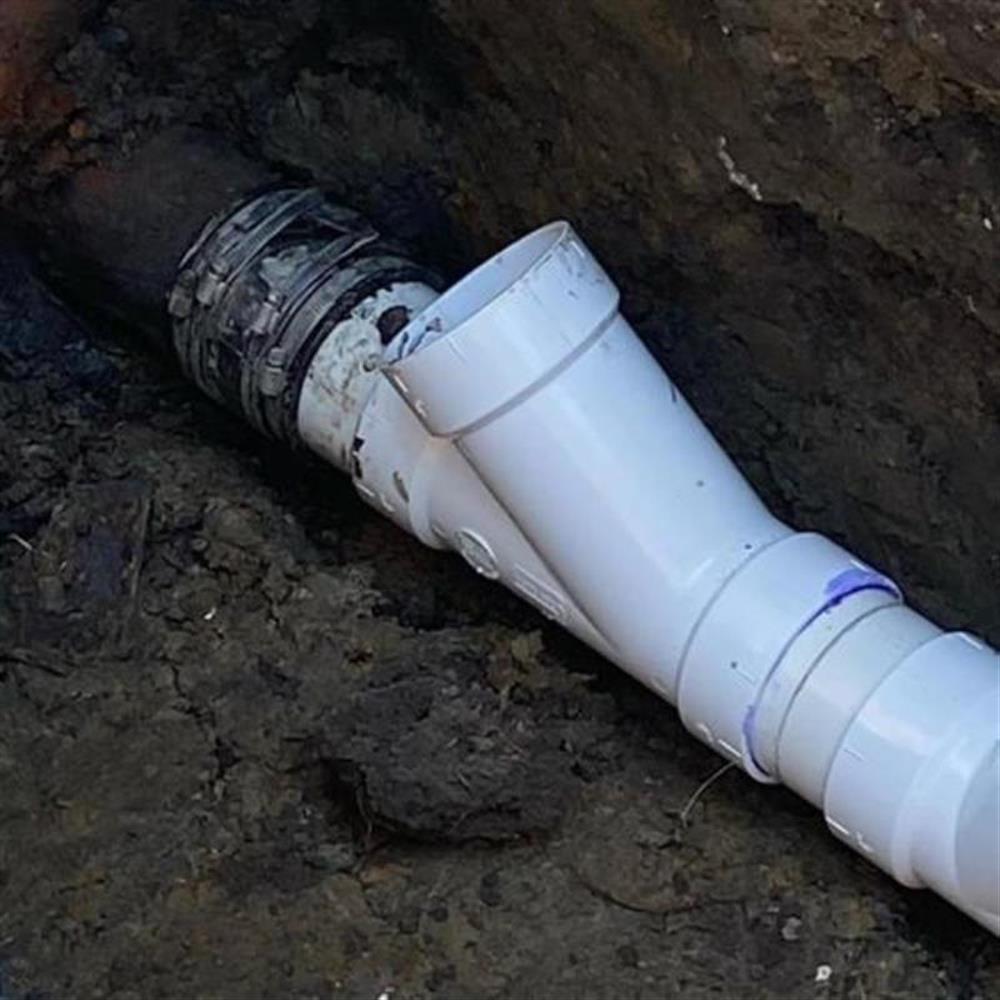

Most Ferndale homes were built before sewer line longevity was a standard homeowner concern. The clay tile laterals installed in the 1920s–1950s were designed to last 50–60 years. Those same lines are now 70–100 years old and serving homes in one of southeast Michigan's densest, most tree-lined cities. Sewer repair in Ferndale isn't a matter of if — for most original-build homes, it's a matter of when and which method.
Bison Plumbing has repaired and replaced sewer lines throughout the Ferndale area since 1998. Our approach is always camera-first, method-second: we scope every line before recommending a repair path, because the difference between a line that needs lining and one that needs full replacement changes the cost and disruption dramatically. That assessment is what Ferndale homeowners pay for.
Not every Ferndale sewer problem requires the same fix. The camera footage determines the appropriate repair:
Cured-in-place pipe lining (CIPP) is Bison’s primary trenchless repair method for Ferndale laterals. A felt liner saturated with epoxy resin is pulled or inverted into the existing pipe and inflated against the walls. Within hours, the liner cures into a new structural pipe inside the old one — seamless, jointless, and with no excavation. All Bison CIPP installations comply with ASTM F1216 standards for rehabilitation of existing pipelines.
CIPP lining is ideal for Ferndale when: the host pipe has root intrusion but is structurally continuous (no collapses), the pipe has cracking or minor joint separation, or the homeowner wants to preserve established landscaping, mature trees, or hardscape.
When the camera reveals a single isolated defect — a cracked joint, a root entry point, a small collapse — pipe patching is often the most cost-effective repair. A reinforced patch liner is set only at the failure point rather than lining the full lateral. Patching complies with ASTM F1743 standards for sewer line rehabilitation and is permitted under the Michigan Plumbing Code as enforced by LARA.
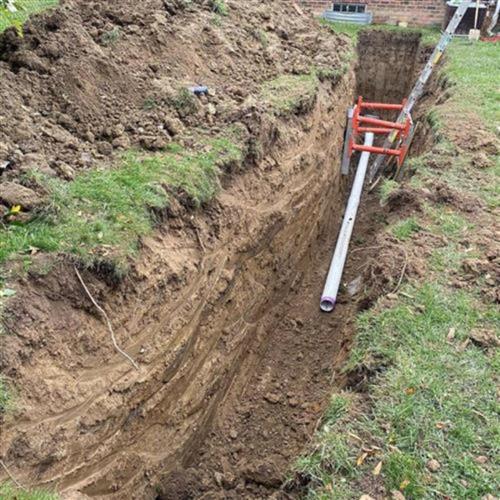
When the camera shows a line that has collapsed, bellied through soil settlement, or deteriorated along its full length, full replacement is the only permanent solution. Bison also offers trenchless pipe bursting as a replacement method for lines that are beyond rehabilitation but in a configuration where the burst method is viable — this replaces the old pipe using the existing bore, minimizing excavation.
Two factors make Ferndale sewer repair different from newer Oakland County suburbs:
The pipe material:
Clay tile and early cast-iron pipe require different handling than modern PVC. Clay is brittle and can be damaged by aggressive snaking. Cast-iron corrodes from the inside, creating a rough surface that catches debris and narrows internal diameter by 40–60% over time. Neither responds well to methods designed for plastic pipe.
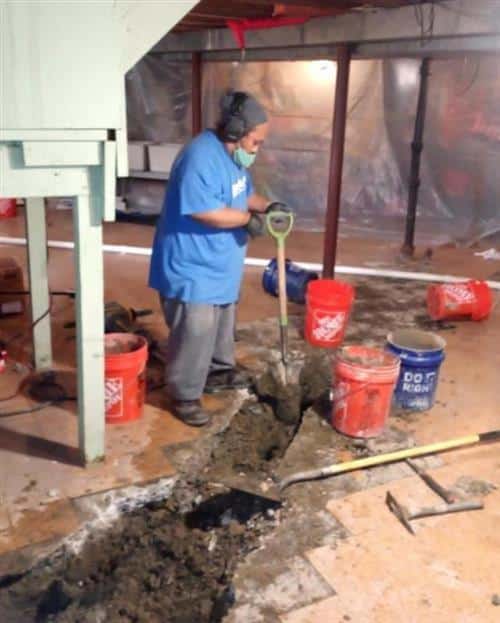
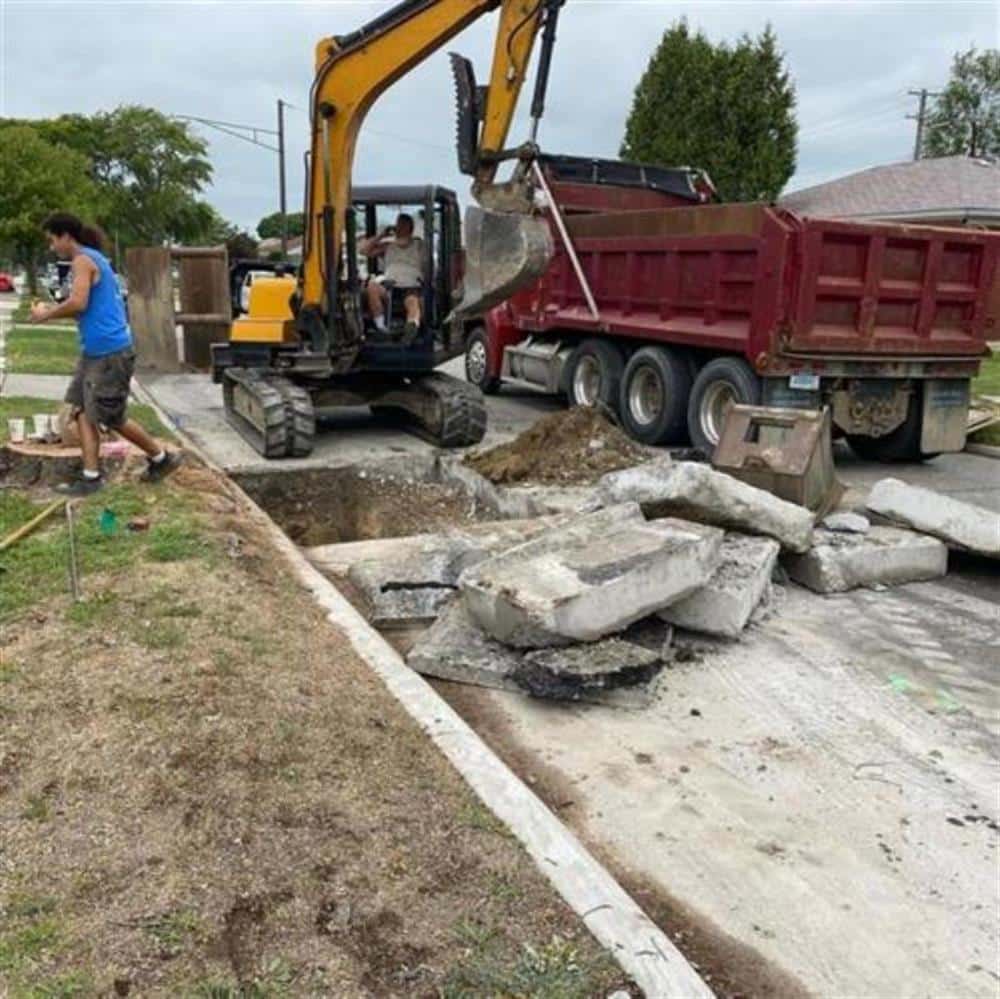
Ferndale's small lots, mature tree canopy, and established hardscape (concrete driveways, garden structures, fencing) make open excavation a high-disruption, high-cost proposition. Trenchless methods protect what Ferndale homeowners have invested in their properties.
| Repair Method | Typical Cost Range | Best For |
|---|---|---|
| Pipe Patching (spot repair) | $800–$2,500 | Single isolated defect |
| CIPP Pipe Lining (full lateral) | $3,500–$8,000 | Cracked / root-intruded, intact pipe |
| Trenchless Replacement | $6,000–$14,000 | Deteriorated, still in original bore |
| Full Excavation Replacement | $10,000–$25,000 | Collapsed, bellied, deep lines |
GreenSky financing available for all repair types (Ref: 81085618).
ASTM F1216-compliant CIPP liners are rated for a 50-year service life when properly installed. In practice, Bison's Ferndale installations see liner failure rates well under industry average because the camera-first approach ensures the host pipe is suitable for lining before work begins — not assumed to be.
Yes. Sewer lateral work in Ferndale requires a permit from the City of Ferndale and must comply with the Michigan Plumbing Code as administered by Michigan LARA. Bison handles all permitting for every repair — homeowners should never work with a contractor who does sewer repair without pulling the required permits.
Roots cannot re-penetrate an intact CIPP liner because the liner eliminates the joints and cracks that roots enter through. However, if root mass remains in the line after lining — which is why Bison always clears root debris before liner installation — roots from inside the pipe can press against the liner over time. Post-repair camera inspection confirms the line is clear before any job is closed.
Related services:

When Bison Plumbing is on the job, you can rest assured that your job will be done right, on time, and for a fair price. Contact us today for a Free Quote!