
Neither method is universally better — the right choice depends on your specific clog. Drain snaking ($100–$400) is the right tool for simple, isolated, or shallow blockages and is gentler on aging pipes. Hydrojetting ($350–$900 residential) is the superior option for recurring clogs, grease buildup, root intrusion, and main sewer line cleaning — it scours the entire pipe interior rather than just punching a hole through the obstruction. A sewer camera inspection is always recommended first to determine which method is safe and appropriate for your pipe's condition.
You've got a slow drain — or worse, a complete backup. You call a plumber and they mention two options: snaking the line or hydrojetting it. One sounds familiar, the other sounds expensive. How do you know which one your drain actually needs?
This is one of the most common questions Michigan homeowners ask, and the answer isn't as simple as "hydrojetting is always better" or "just snake it first." The right method depends on what's causing the blockage, how severe it is, how old your pipes are, and whether the problem is isolated to one fixture or affecting drains throughout your home.
This guide walks through both methods in plain language — how they work, when each one is the right call, what they cost in Southeast Michigan, and what to do if your drain keeps clogging after being snaked.
What Is Drain Snaking?
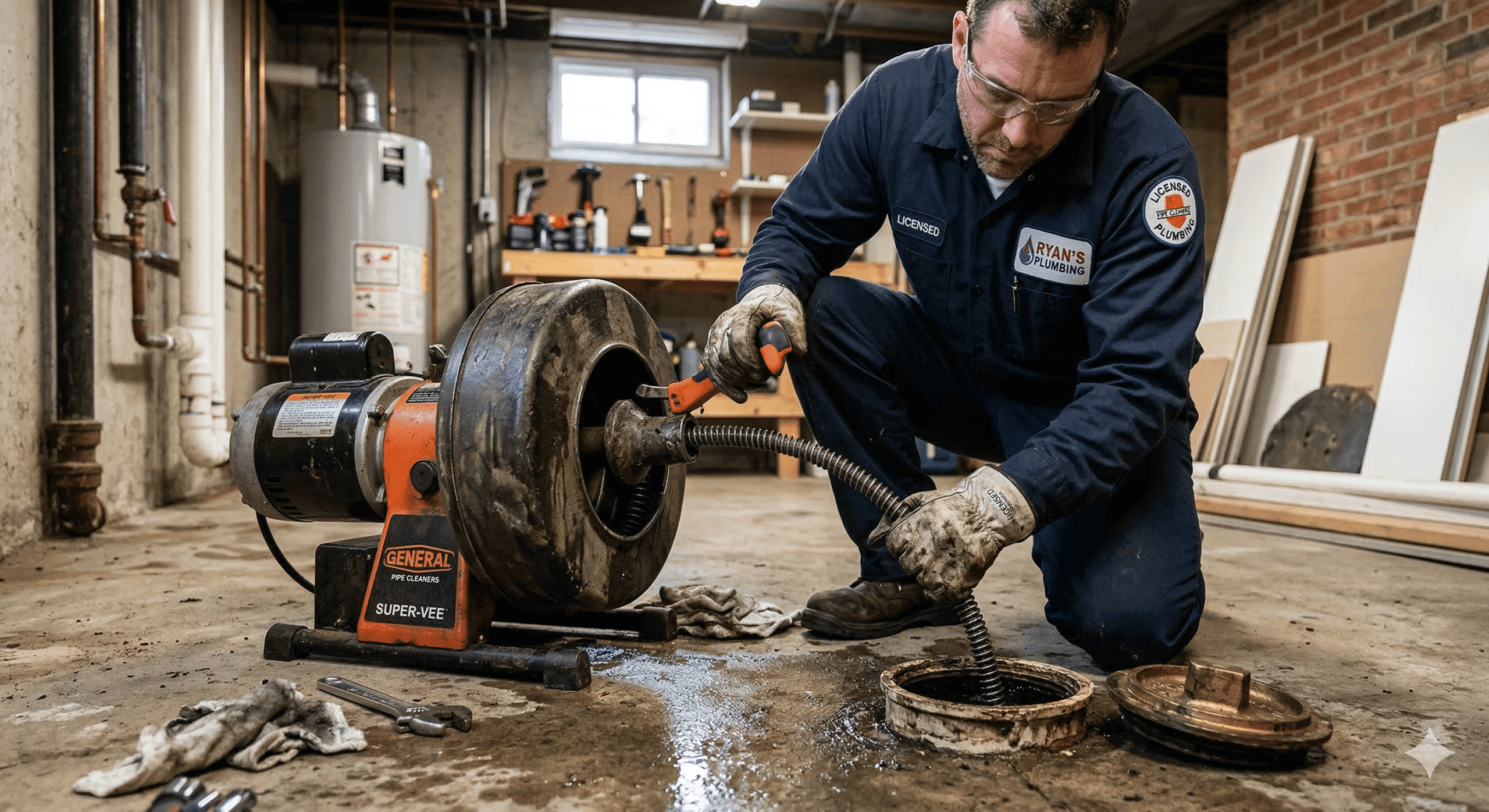
A drain snake — also called a plumbing auger — is a long, flexible metal cable with a corkscrew or cutting head at one end and a hand crank or motor at the other. A plumber feeds the cable into the drain until it reaches the blockage, then rotates it to either break up the obstruction or hook it and pull it out.
Professional drain snakes range from 25-foot handheld units used for bathroom and kitchen sink clogs to 200-foot motorized machines designed for main sewer line work. The process is mechanical — the snake physically contacts the blockage and either punches through it, breaks it apart, or retrieves it from the pipe.
Snaking is fast, affordable, and widely available. Most licensed plumbers carry snake equipment on every service truck. For a simple, single-fixture clog — a bathroom sink blocked by hair, or a toilet stuck on excess paper — snaking is almost always the right first call. You can also learn more about our approach to professional drain cleaning for different situations.
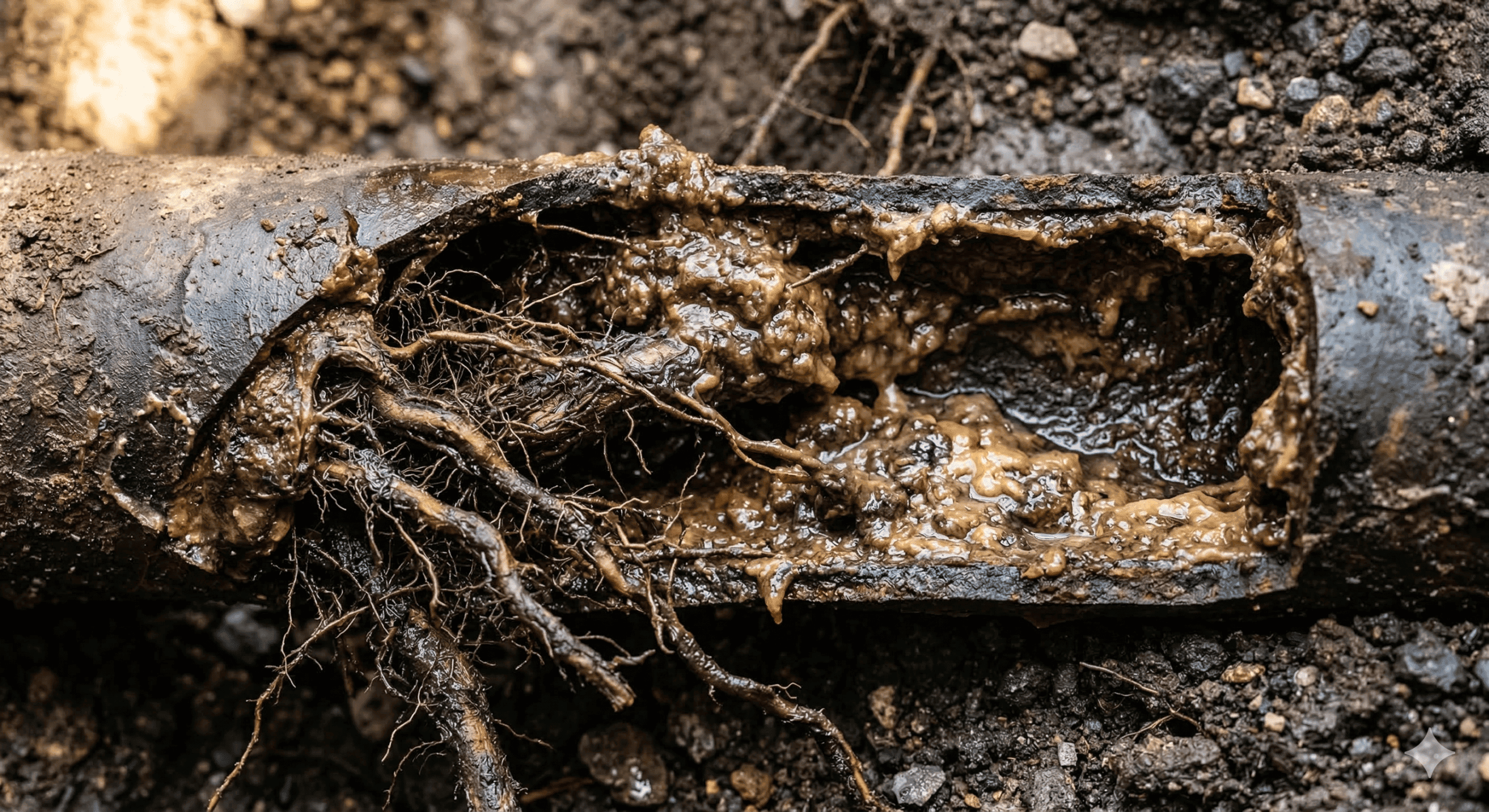
The core limitation of snaking: it punches a hole through the clog to restore flow, but it rarely removes all residue from pipe walls. Grease, soap scum, and mineral deposits cling to the pipe after snaking — and become the foundation for the next clog.
What Is Hydrojetting?
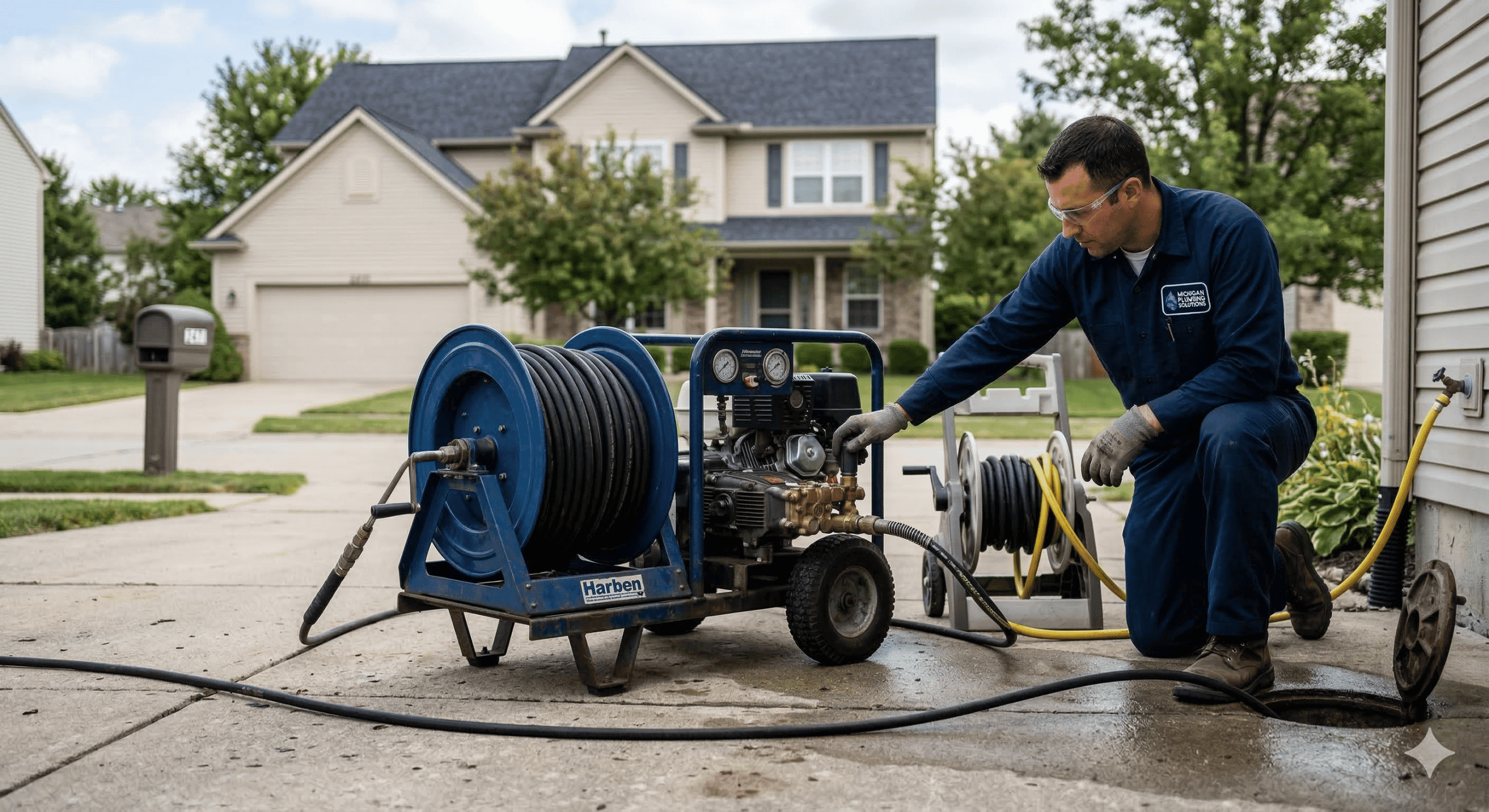
Hydrojetting uses a specialized machine connected to a high-pressure water hose with a multi-directional nozzle. The nozzle sprays water simultaneously forward (to blast through blockages) and backward (to propel the hose through the pipe and scour the walls). Depending on the pipe size and blockage type, professional hydrojetting equipment operates at pressures between 1,500 and 4,000 PSI.
Unlike snaking, hydrojetting doesn't just create a passage through the clog — it scrubs the entire interior circumference of the pipe clean. Grease buildup, mineral scale, soap scum, sludge, and even small tree roots are fully removed. After professional hydrojetting, pipes are often as clean as the day they were installed.
This is why hydrojetting is the standard maintenance method for commercial kitchens, restaurants, and municipal sewer systems — and increasingly the preferred solution for Michigan homeowners dealing with recurring residential clogs. It's also the recommended pre-treatment before CIPP pipe lining, since a liner requires a clean, debris-free pipe interior to bond correctly.
Hydrojetting must always be performed by a licensed plumber who first inspects the pipe with a camera. High-pressure water can damage severely corroded, cracked, or structurally compromised pipe — making a pre-service inspection non-negotiable.
Key Differences: Snaking vs. Hydrojetting Side by Side
| Feature | Drain Snaking | Hydrojetting |
|---|---|---|
| How it works | Rotating cable breaks up or retrieves the clog mechanically | High-pressure water scours the entire pipe interior |
| Cleaning thoroughness | Punches a hole through the clog — leaves residue on walls | Full 360° cleaning — removes all buildup from pipe walls |
| Best for | Simple, isolated, shallow clogs | Recurring clogs, grease buildup, tree roots, main sewer lines |
| Cost (residential) | $100–$400 | $350–$900 |
| Results duration | Weeks to months (residue remains) | 2–3 years with proper drain habits |
| Safe for old/fragile pipes | ✓ Yes — gentle mechanical action | ⚠ Camera inspection required first |
| Removes tree roots | Partially — cuts roots but leaves fragments | ✓ Yes — fully flushes roots and debris |
| DIY option | Consumer snakes available for minor clogs | Professional equipment only — not DIY safe |
| Pre-service inspection needed | Not always required | ✓ Always recommended |
| Eco-friendly | Neutral — no chemicals | ✓ Water only — no chemicals |
When to Choose Drain Snaking
Snaking is the right tool in the following situations. A good plumber won't upsell you to hydrojetting when snaking will genuinely solve the problem:
Single Isolated Clog in One Fixture
If only one drain in your home is affected — a bathroom sink draining slowly, a toilet that won't flush cleanly, a shower backing up — the problem is almost certainly in that fixture's individual branch line, not the main sewer. Snaking is fast, affordable, and targeted for exactly this scenario. There's no reason to hydrojet a main sewer line when only one sink is affected.
Hair and Soap Scum Blockages
Hair clogs in bathroom drains and soap scum blockages in tub drains are classic snaking scenarios. The snake's corkscrew tip grabs hair matting cleanly and retrieves it from the pipe. These clogs are close to the drain opening — rarely more than a few feet in — making snaking both fast and effective.
Pipes That Are Fragile, Cracked, or Very Old
For Michigan homes with severely deteriorated cast iron, old clay pipe, or Orangeburg pipe that a camera inspection has confirmed is in poor structural condition, snaking is far gentler than hydrojetting. High-pressure water in an already-compromised pipe can cause further cracking or joint separation. If your camera inspection reveals significant pipe deterioration, snaking handles the immediate clog while you plan a repair or replacement.
Emergency Quick Fix
When you need water flowing again fast — basement drain backing up, toilet overflowing — snaking provides the fastest route to immediate relief. A plumber can often snake a drain and restore flow within an hour. Hydrojetting is a more involved setup and is rarely the emergency first response.
If you've had to snake the same drain more than twice in one year, snaking is no longer solving your problem — it's just buying time. Recurring clogs after snaking are the clearest signal that buildup remains on your pipe walls and hydrojetting is the next appropriate step.
When to Choose Hydrojetting
Hydrojetting earns its higher price point in situations where snaking will only provide temporary relief:
Recurring Clogs in the Same Line
If you're calling a plumber for the same drain every few months, snaking is treating the symptom rather than the cause. Each time the snake punches through, it leaves grease, scale, and residue clinging to the walls — the foundation of the next blockage. Hydrojetting removes all of that residue in a single service, resetting the pipe to near-new interior diameter. Learn more about our main sewer line cleaning services for persistent blockage issues.
Grease Buildup in Kitchen Drains
Kitchen drain lines — especially in homes where cooking grease regularly goes down the drain — accumulate a coating of hardened fat inside the pipe that no snake can fully remove. Over time this coating thickens, narrowing the pipe's effective diameter until clogs become frequent. Hydrojetting's 360° high-pressure wash dissolves and flushes grease completely, restoring full pipe capacity.
Tree Root Intrusion
Michigan's abundant tree canopy — especially mature oaks, maples, and willows in older neighborhoods throughout Troy, Birmingham, Rochester Hills, and Royal Oak — means root intrusion is one of the most common causes of sewer line problems in the region. A snake can cut through roots enough to restore partial flow, but root fragments remain in the pipe and roots regrow quickly. Hydrojetting fully flushes root material and is the appropriate treatment before applying root intrusion solutions. For severe root invasion, hydrojetting is often the necessary pre-step before pipe lining.
Pre-Treatment Before Pipe Lining
If your sewer camera inspection has identified pipe damage requiring CIPP pipe lining or pipe patching, hydrojetting is almost always required first. A liner must bond to clean pipe walls — grease, scale, and debris prevent proper adhesion. Most trenchless repair contractors include hydrojetting as part of the repair scope for this reason.
Preventive Maintenance
For Michigan homeowners who want to avoid sewer surprises, hydrojetting every 18–24 months is an excellent preventive measure — particularly for homes over 30 years old, homes with mature trees near the sewer lateral, or households that regularly put cooking grease down kitchen drains. Proactive cleaning at this interval prevents the kind of buildup that turns into emergency backups. Read more about our recommended approach to drain and sewer maintenance.
Cost Comparison in Michigan
Here's a realistic price breakdown for drain snaking versus hydrojetting in the Metro Detroit and Southeast Michigan market:
| Service | Typical Cost Range (Michigan) | Notes |
|---|---|---|
| Sink/tub/shower snaking | $100–$200 | Single fixture, branch line only |
| Toilet snaking | $100–$175 | Standard auger service |
| Main sewer line snaking | $200–$400 | Larger motorized equipment required |
| Residential hydrojetting (single drain) | $350–$600 | Standard grease/debris buildup |
| Main sewer line hydrojetting | $450–$900 | Full line cleaning, cleanout access |
| Commercial hydrojetting | $600–$3,000+ | Larger pipe, higher usage, grease traps |
| Sewer camera inspection (pre-service) | $200–$400 | Recommended before hydrojetting |
| Emergency/after-hours service | Add 50–100% | Both methods cost more outside business hours |
If you snake the same drain 3–4 times per year at $150–$250 each time, you're spending $450–$1,000 annually without solving the underlying buildup problem. A single hydrojetting service at $400–$600 that lasts 2–3 years is almost always the more economical long-term choice for recurring clogs.
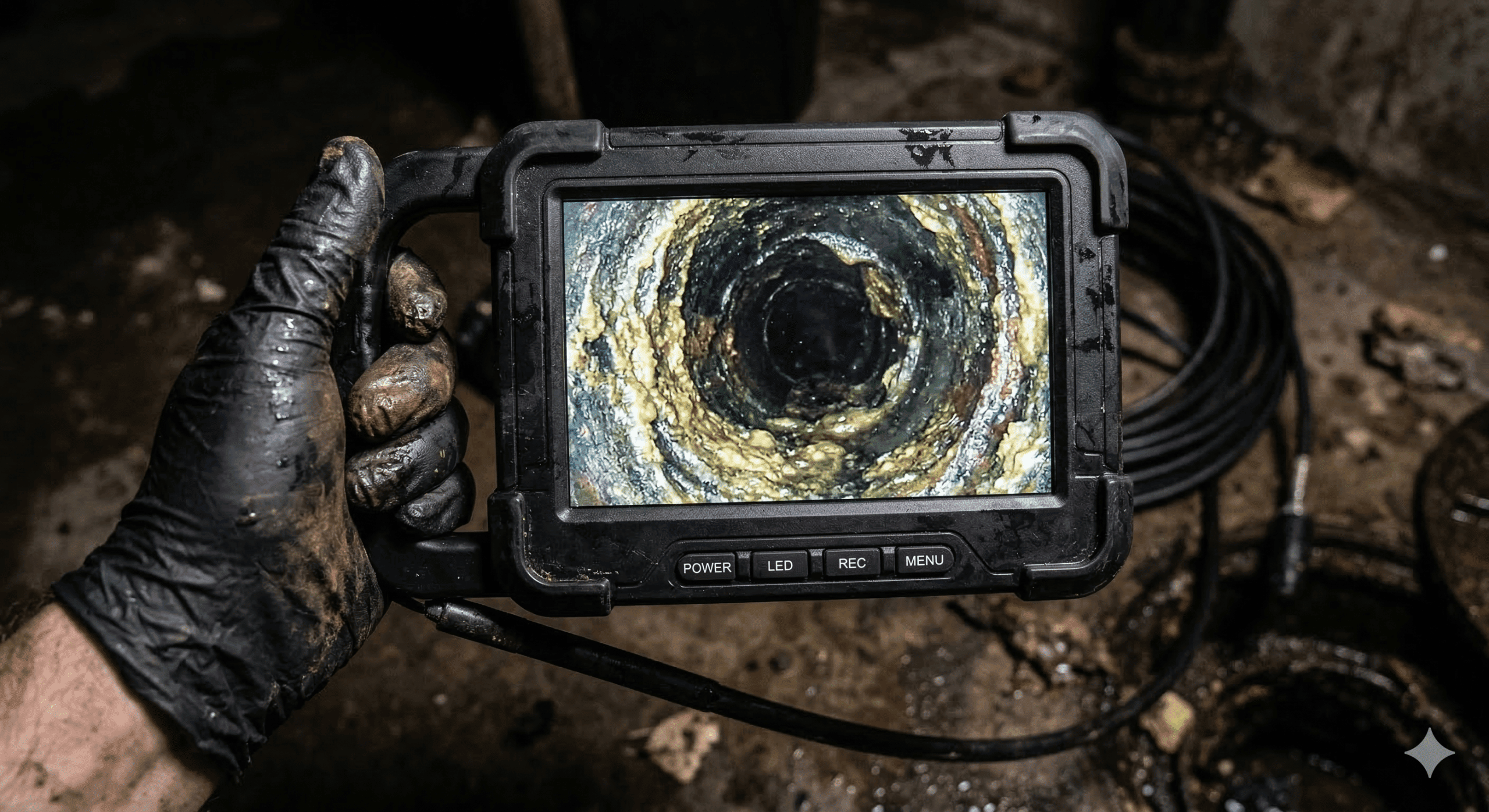
Camera footage showing years of grease accumulation coating the interior walls of a cast iron drain line.
Why Michigan Homes Need More Than a Snake
Many Southeast Michigan homes — particularly those built between the 1940s and 1980s in communities like Warren, Sterling Heights, Royal Oak, and Ferndale — were constructed with cast iron drain lines that have now accumulated decades of grease, mineral scale, and corrosion buildup on their interior walls.
Cast iron's rough interior surface (compared to smooth PVC) catches and holds debris far more readily. A snake punches a temporary passage through this buildup, but the narrowed pipe remains. Hydrojetting restores the full interior diameter of cast iron drain lines in a way snaking simply cannot.
If your drain consistently clogs despite regular snaking and your home was built before 1985, a camera inspection will tell you exactly what's coating your pipe walls — and whether hydrojetting or cast iron pipe repair is the right next step.
Michigan-Specific Pipe Considerations
Cast Iron Pipes and Hydrojetting Safety
Cast iron pipe in good structural condition handles hydrojetting safely and actually benefits enormously from it — the high-pressure water scours years of interior scale and corrosion deposits that nothing else removes as completely. However, cast iron that is severely corroded, pitted, or thinned by rust may not withstand full hydrojetting pressure. This is why a camera inspection is essential before hydrojetting any older Michigan home. A qualified plumber adjusts pressure settings based on what the camera reveals.
Clay Pipe and Root Intrusion
Bell-and-spigot clay sewer pipe — common in pre-1970s Metro Detroit neighborhoods — is vulnerable to root intrusion at its joints. Snaking can cut through roots but leaves fragments and doesn't address the joint gaps roots exploit. Hydrojetting thoroughly flushes root material. However, clay pipe with significantly offset or separated joints may not be suitable for full hydrojetting pressure — another reason camera inspection comes first.
Michigan's Freeze-Thaw Effect on Drain Buildup
Michigan winters don't just affect sewer pipes — they affect what's inside them. The temperature cycling that causes ground movement also causes the grease and mineral deposits inside drain pipes to contract and expand, which accelerates the rate at which buildup adheres to pipe walls. Michigan homes tend to see faster buildup accumulation than comparable homes in more temperate climates, making the case for more frequent hydrojetting maintenance stronger here than in warmer states.
Bison Plumbing's Drain Cleaning Services for Michigan Homeowners
Whether your drain needs a quick snake or a full hydrojetting service, our licensed team inspects first and recommends what your specific pipe and blockage actually call for — not what's most expensive.
Residential Hydrojetting
High-pressure scouring for recurring clogs, grease lines, and root-invaded drains. Full pipe-wall cleaning in one service. View residential hydrojetting.
Commercial Hydrojetting
Grease trap cleaning, restaurant drain lines, high-usage commercial sewer systems, and preventive maintenance programs. View commercial hydrojetting.
Drain Cleaning (Snaking)
Fast, affordable single-fixture clog clearing for isolated bathroom, kitchen, and basement drain backups. View drain cleaning services.
Sewer Camera Inspection
Camera inspection before any cleaning service — confirms blockage type, pipe condition, and the safest cleaning method. Schedule a camera inspection.
Tree Root Removal
Mechanical and hydrojetting-based root removal from sewer laterals — followed by preventive treatment to slow regrowth. View tree root removal.
Sewer Backup Response
Emergency drain and sewer backup response for Warren, Troy, Royal Oak, and surrounding communities — same-day service. View sewer backup services.
So Which Is Actually Better?
The honest answer: hydrojetting is the more thorough and longer-lasting solution in most situations — but snaking is not obsolete. They serve different purposes, and the right call depends entirely on what's happening in your specific pipe.
A well-run plumbing company will never automatically upsell every drain call to hydrojetting. Single-fixture isolated clogs caused by hair or small debris are genuinely better served by a quick, affordable snake. Recommending a $500 hydrojetting service for a bathroom sink clogged with hair would be unnecessary and dishonest.
But if you're dealing with any of the following, snaking is a temporary fix that will leave you calling back within weeks or months:
- The same drain clogging repeatedly despite snaking
- Multiple drains slow simultaneously across your home
- Main sewer line backup or gurgling toilets
- Confirmed grease buildup or tree root intrusion on camera
- Pre-treatment needed before any trenchless pipe repair
In those situations, hydrojetting isn't a luxury — it's the correct tool for the actual problem. For more detail on what your sewer system might be dealing with, our guide to sewer drain problem symptoms covers the full picture of what different signs mean.
DIY vs. Professional: What You Can and Can't Do Yourself
DIY Drain Snaking
Consumer drain snakes (hand augers) are available at hardware stores for $20–$60 and can legitimately clear minor clogs close to the drain opening — hair in a bathroom sink, small debris in a kitchen drain. They work on clogs within the first 5–10 feet of pipe. Beyond that, consumer-grade snakes lack the length, torque, and cutting power to reach or break up deeper obstructions. For anything beyond the drain trap, a professional motorized snake or hydrojetting is more reliable.
DIY Hydrojetting
Professional hydrojetting equipment is not available for consumer rental and should never be attempted without training. Water at 1,500–4,000 PSI can cause serious injury, damage pipe joints and seals, and cause blowback through drain openings. Additionally, without a camera inspection first, applying hydrojetting pressure to a cracked or compromised pipe can cause structural failure that turns a clog into a sewer line replacement job. Hydrojetting is exclusively professional territory. See our professional hydrojetting page for what proper service looks like.
Not Sure Which Drain Cleaning Method Your Michigan Home Needs?
Bison Plumbing inspects first and recommends the right solution for your specific drain and blockage — not the most expensive option. Licensed master plumbers, honest pricing, same-day service across Oakland, Macomb, and Wayne Counties.
Schedule a Drain Inspection Today Or call us directly — (248) 247-7707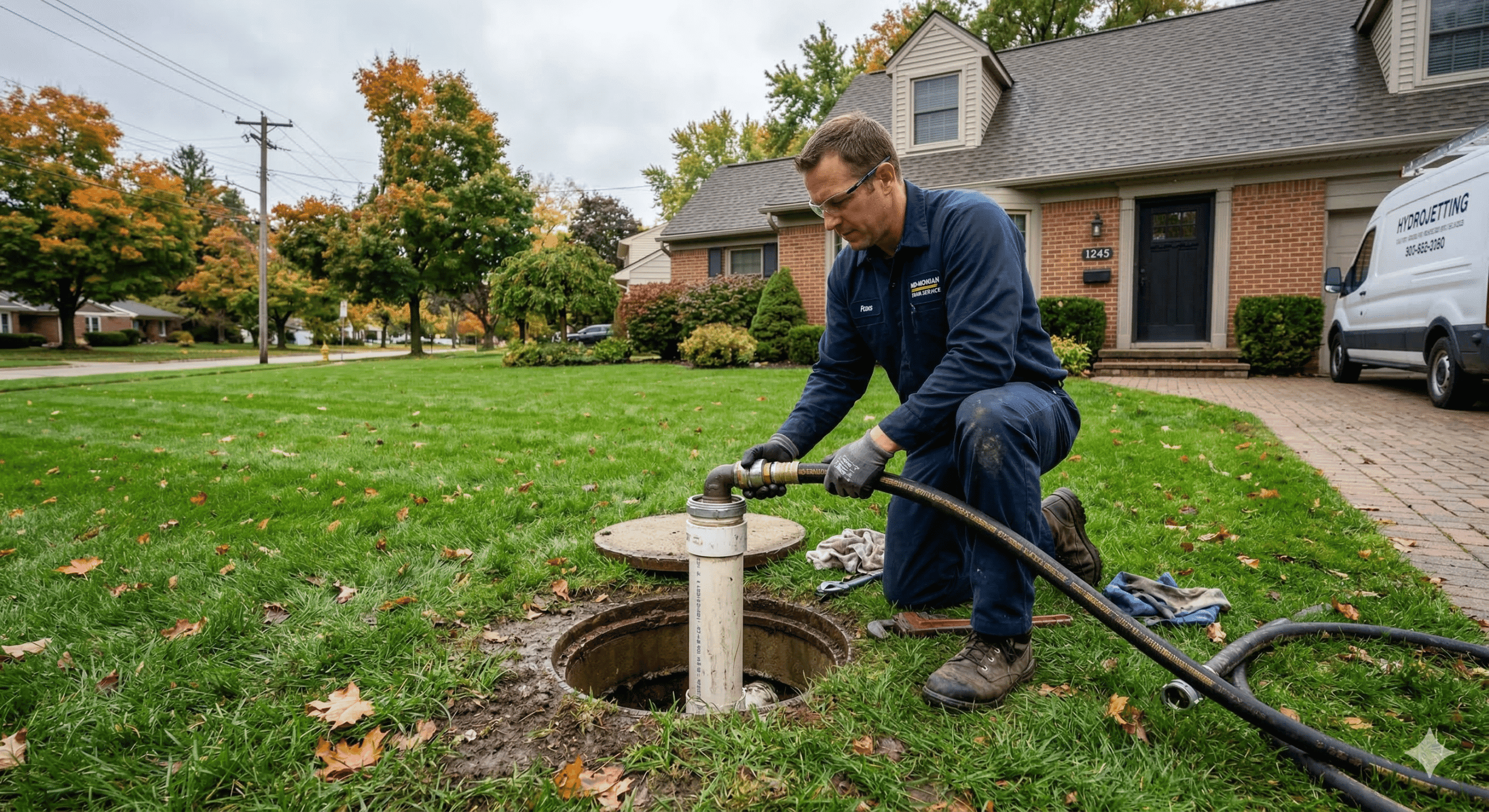
Hydrojetting vs. Snaking: A Quick Summary
- Snaking ($100–$400) is best for simple, isolated, single-fixture clogs — hair, small debris, and shallow blockages close to the drain opening.
- Hydrojetting ($350–$900) is the right choice for recurring clogs, grease buildup, tree root intrusion, main sewer line cleaning, and pre-repair pipe preparation.
- Snaking punches a hole through a clog; hydrojetting removes all buildup from the entire pipe wall — the difference in lasting results is significant.
- Hydrojetting results last 2–3 years; snaking results last weeks to months when buildup remains on pipe walls.
- Repeatedly snaking the same drain costs more annually than one hydrojetting service that solves the root cause.
- Hydrojetting requires a camera inspection first — high pressure can damage severely corroded or cracked pipe.
- Michigan homes with cast iron drain lines or mature trees near the sewer lateral are the strongest candidates for regular hydrojetting maintenance.
Frequently Asked Questions About Hydrojetting vs. Snaking
Not always — it depends on the clog. For a simple, isolated blockage in one fixture caused by hair or small debris, snaking is faster and more cost-effective. Hydrojetting is the better choice when clogs recur, when multiple drains are affected, when there's confirmed grease or root buildup, or when cleaning is needed before a pipe repair. A camera inspection first eliminates guesswork and ensures the right method is used for your specific situation.
Professional hydrojetting typically keeps pipes clear for 2–3 years in most residential applications, depending on drain habits and whether tree roots are involved. Snaking, because it leaves residue on pipe walls, often provides relief for weeks to a few months before the remaining buildup accumulates enough to cause a new blockage. For homes with recurring clog issues, the longer interval between hydrojetting services usually makes it more economical despite the higher upfront cost.
When performed by a licensed plumber following a camera inspection, hydrojetting is safe for most pipe materials including cast iron, PVC, clay, and concrete. The risk arises when hydrojetting is applied to pipes that are already severely corroded, cracked, or structurally compromised — high pressure can worsen existing damage in those cases. This is exactly why a camera inspection before hydrojetting is non-negotiable. A qualified plumber will also adjust water pressure based on your pipe's condition.
In the Metro Detroit and Southeast Michigan market, residential hydrojetting typically costs $350–$600 for a standard drain cleaning and $450–$900 for main sewer line hydrojetting. Commercial jobs run higher — $600 to $3,000+ depending on pipe size and scope. Emergency or after-hours service adds roughly 50–100% to standard rates. A pre-service camera inspection typically costs $200–$400, though many contractors credit this toward the service if you proceed. Check our hydrojetting services page for current pricing details.
Professional-grade hydrojetting equipment is not safely suitable for DIY use. Water at 1,500–4,000 PSI can cause serious injury, damage pipe joints, or cause dangerous blowback through drains. Consumer pressure washers operate at a fraction of the pressure needed for effective drain cleaning and are not the same as professional hydrojetting machines. Hydrojetting should always be performed by a licensed plumber with proper training and equipment. Consumer drain snakes, however, are safe and available for minor DIY clog clearing.
For most Michigan homes, hydrojetting every 18–24 months is a good preventive maintenance interval. Homes with mature trees near the sewer lateral, cast iron drain lines, or a history of grease-related clogs may benefit from annual service. Commercial properties — especially restaurants and food service businesses — typically schedule hydrojetting every 3–6 months to maintain grease trap and drain line compliance. Read more about recommended maintenance schedules in our guide to drain and sewer maintenance.
If the same drain clogs repeatedly after snaking, the snake is clearing a passage through the obstruction but not removing the underlying buildup from your pipe walls. The next step is a camera inspection to identify what's causing the recurring blockage — whether it's grease accumulation, tree root regrowth, or a structural pipe problem — followed by the appropriate solution. For buildup and roots, hydrojetting is almost always the answer. For structural issues like cracks or collapsed sections, you may need sewer line repair or pipe lining.
Research sources: Angi — Hydrojetting Cost Guide 2026 · HomeGuide — Hydrojetting vs. Snaking Cost Data · Whitney Services — Hydrojetting in Detroit