

CIPP Lining in Michigan: How Cured-In-Place Pipe Repair Works and Who Needs It
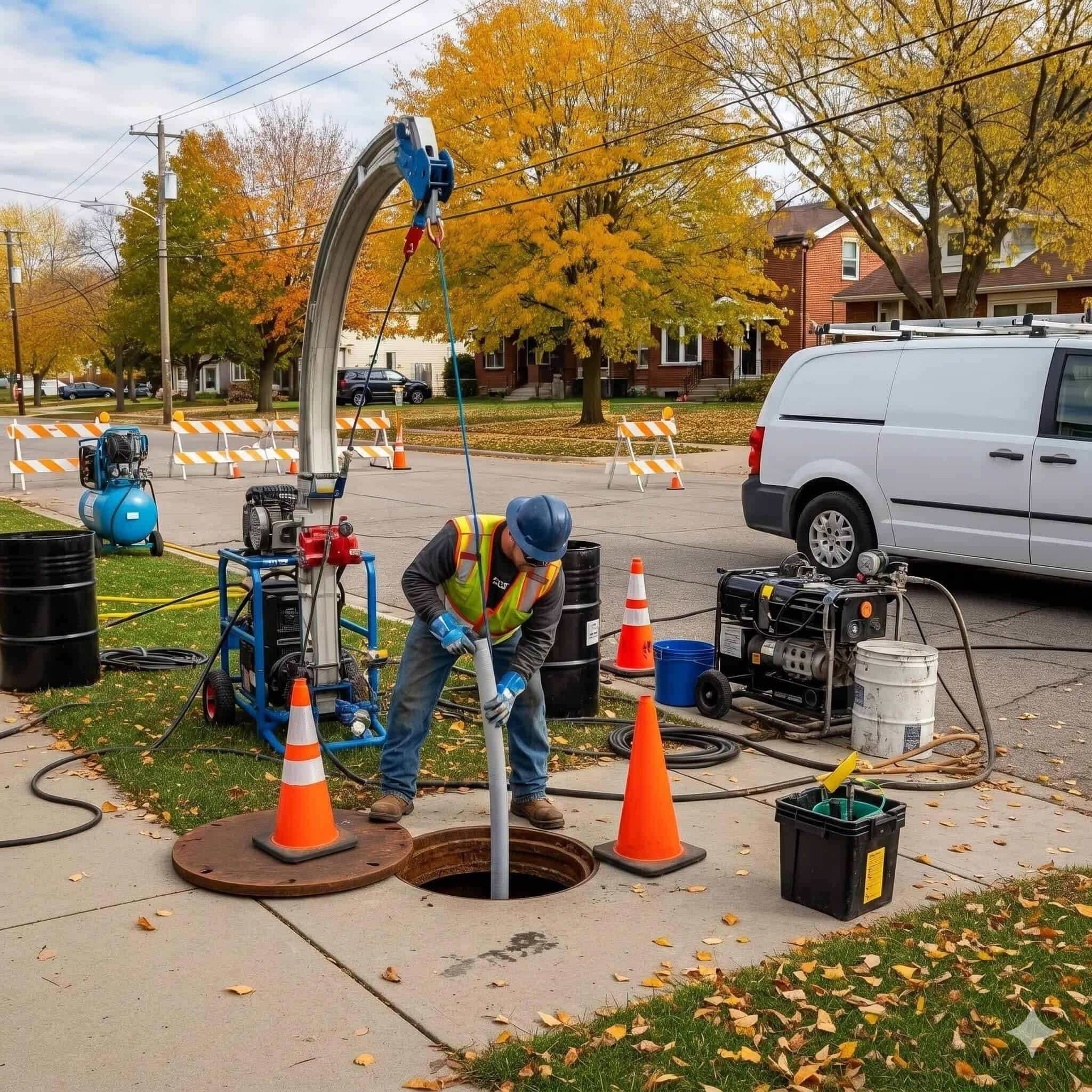
CIPP lining (Cured-In-Place Pipe) rehabilitates sewer pipes without major excavation. A flexible liner saturated with epoxy resin is inserted and cured inside the existing pipe, creating a corrosion-resistant new pipe. Homeowners, businesses, and municipalities use CIPP to fix leaks, cracks, and root intrusion while reducing disruption. This article outlines the process, benefits, typical costs, and who in Michigan commonly uses CIPP repair.
CIPP is now widely adopted and is considered an essential technique in modern pipe rehabilitation.
Key Takeaways
- CIPP lining repairs sewer pipes without digging up yards or streets.
- The process uses an epoxy-saturated liner that is cured in place.
- Repairs are durable and corrosion-resistant, with long expected service life.
- Ideal for urban and residential settings where minimizing disruption matters.
- Typical cost ranges $80–$250 per linear foot, depending on conditions.
- Common users: homeowners, municipalities, and real estate professionals.
- Trenchless methods preserve landscaping and reduce environmental impact.
- Installation includes inspection, cleaning, liner insertion, and curing (steam, hot water, or UV).
- Costs depend on pipe condition, length, material, access, and permits.
Benefits of CIPP Repair:
CIPP repair reduces excavation, speeds restoration, and offers long-term performance with minimal disruption to property and operations.
- No Excavation Required: Trenchless installation limits surface damage and restoration work.
- Durability of Liners: Liners provide a long-term repair resistant to corrosion and roots.
- Cost-Effectiveness: Per-foot costs are often lower than full dig-and-replace projects when accounting for restoration.
For those in Michigan, Bison Plumbing offers CIPP services with professional installation and customer care.
What is CIPP Lining and How Does It Work?
CIPP is a trenchless method that restores pipes without large excavations. Work typically starts with a camera inspection and hydro-jet cleaning to prepare the pipe.
CIPP Repair Process:
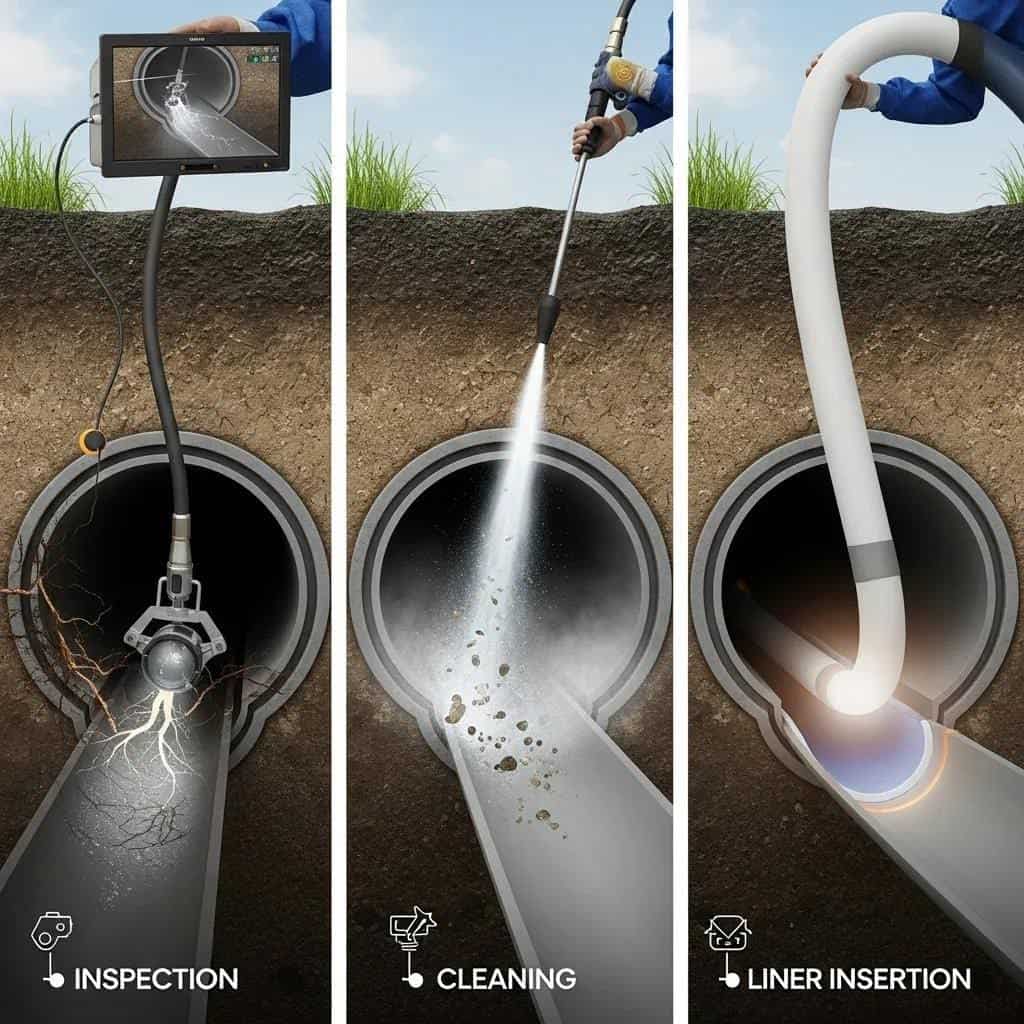
The key steps are:
- Inspection and Cleaning: Camera inspection identifies defects; cleaning removes debris and roots.
- Liner Insertion: The epoxy-saturated liner is placed by inversion or pull-in methods.
- Curing and Verification: The liner is cured (hot water, steam, or UV) and a final inspection confirms the repair.
Materials Used:
Material choices affect performance and lifespan.
- Liner: Felt or fiberglass fabrics impregnated with resin.
- Resin: Epoxy or similar chemistries that cure into a hard, corrosion-resistant pipe.
Installation Techniques:
Trenchless installation minimizes excavation and surface impact.
- Trenchless Method: Reduces restoration costs and site disturbance.
- Curing Methods: Steam, hot water, or UV curing are selected based on liner and site needs.
Who Benefits from CIPP Lining Services in Michigan?
CIPP helps a range of clients:
- Homeowners: Especially those with older sewer lines prone to deterioration.
- Real Estate Agents: Useful when recommending inspections during transactions.
- Municipalities: Maintain public sewers with less disruption and lower restoration costs.
Which Residential and Commercial Applications Require Sewer Pipe Rehabilitation?
Common reasons to choose CIPP include:
- Aging Pipes: Clay, cast iron, and older materials that deteriorate over time.
- Root Intrusion: Tree roots that cause blockages and breaches.
- Cracks and Joint Separation: Minor to moderate defects suited to lining repairs.
What Are the Key Benefits of Trenchless Pipe Repair in Michigan?

Trenchless CIPP reduces project footprints, shortens timelines, and lowers restoration needs compared with full replacement.
- Cost Savings: Often less costly overall when landscaping and restoration are included.
- Reduced Disruption: Keeps yards, driveways, and str