
Quick answer: For most Michigan homes, pipe lining is worth it — if your sewer pipe is cracked, leaking, or root-damaged but still structurally intact. In that case, CIPP lining fixes the pipe for 50 years or more without digging up your yard, usually in a single day, and often costs less overall than excavating and replacing it once you count restoring your landscaping and driveway. It’s not the right call for a fully collapsed pipe, which may need pipe bursting or replacement. The honest answer for your specific line comes from a camera inspection.
If you’ve been quoted for pipe lining — also called CIPP, or cured-in-place pipe — you’re probably weighing a real number against a simple question: is this actually worth it? It’s the right question to ask. Pipe lining isn’t cheap, and the smart move is to understand exactly what you’re getting for the money before you decide.
This guide gives you an honest, homeowner-focused breakdown: what “worth it” really means for a sewer repair, the situations where lining clearly pays off, the cases where it doesn’t, and how it stacks up against digging or just doing repeated repairs. By the end, you’ll know how to judge whether it’s the right call for your home.
Key Takeaways
- Pipe lining is usually worth it for a cracked, leaking, or root-damaged pipe that’s still intact.
- It fixes the pipe for 50+ years with no yard excavation, usually in one day.
- Total cost often beats digging once you count yard and driveway restoration.
- It’s not worth it for a fully collapsed pipe — that may need pipe bursting or replacement.
- A camera inspection is the only way to know for sure for your specific line.
What “Worth It” Really Means for a Sewer Repair
“Worth it” isn’t just about the lowest price on the quote — it’s about value over time. A sewer repair has three real costs: the price of the work itself, the cost of the disruption it causes (a torn-up yard, days without service), and the risk that you’ll be paying to fix the same problem again in a year or two. The best value is the option that scores well on all three, not just the cheapest sticker.
That framing is exactly why pipe lining is so often worth it: it tends to win on disruption and longevity by a wide margin, which can more than make up for a higher up-front price than a quick patch. But it’s also why lining isn’t automatically the answer for every pipe — the value depends on the condition of what you’re starting with.
When Pipe Lining Is Absolutely Worth It
For the most common sewer problems Michigan homeowners face, lining is a clear win. It’s worth it when:
- Your pipe is damaged but intact: cracks, leaks, root intrusion, and corrosion in a pipe that still holds its shape are exactly what CIPP is designed to fix.
- You don’t want your yard destroyed: lining works through existing access points, so your lawn, landscaping, driveway, and patio stay intact.
- You want it done fast: most lining jobs are completed in a single day, versus the days or weeks an excavation can take.
- You want a long-term fix: a cured liner is built to last 50 years or more, so you’re solving the problem for good, not buying time.
- You have older Michigan clay pipe: the aging clay and cast-iron laterals common across Macomb and Oakland County, cracked by freeze-thaw and invaded by roots, are ideal lining candidates.
In these situations, the math usually favors lining once you account for everything you don’t have to pay for — no re-sodding the lawn, no repaving the driveway, no days of disruption. That’s the hidden value that a simple price comparison misses.
When Pipe Lining Might Not Be Worth It
An honest plumber will tell you when lining isn’t the right answer — and we’d rather you hear it now. Pipe lining may not be worth it (or even possible) when:
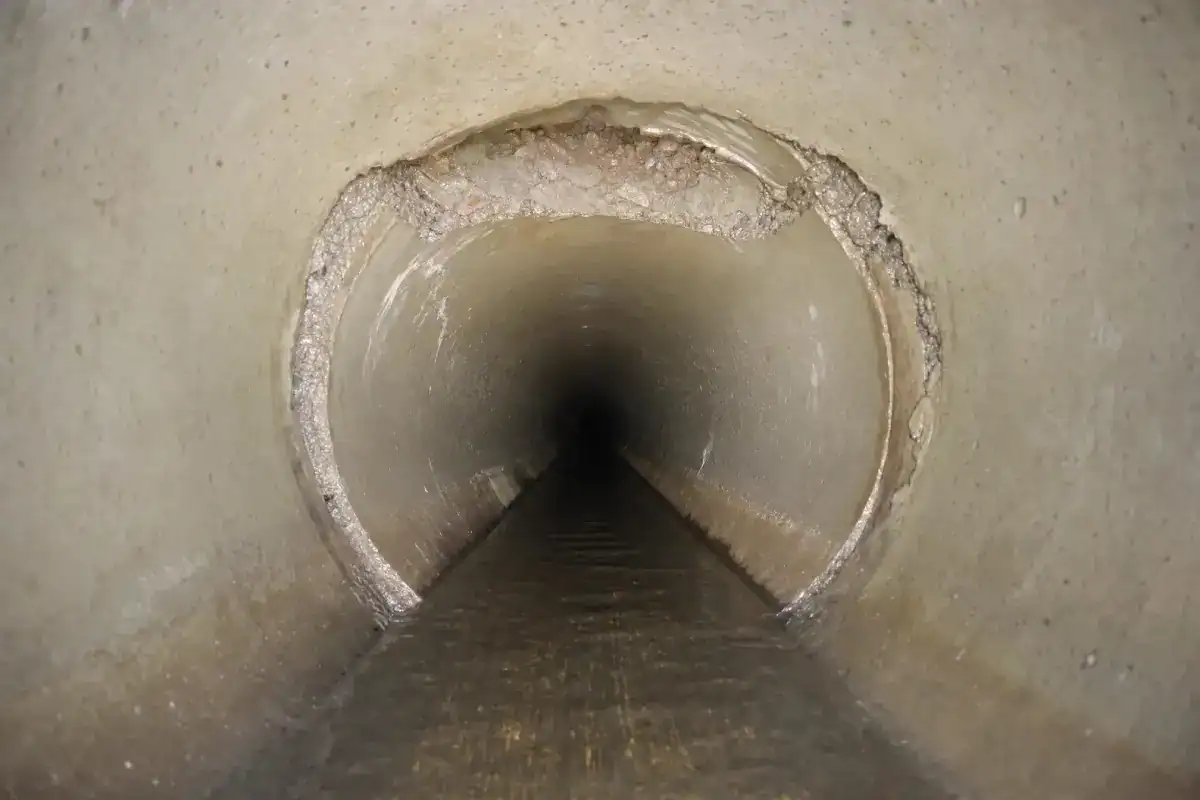
- The pipe has fully collapsed: if there’s no intact pipe left to line against, there’s nothing for the liner to form inside.
- There’s severe deformation or major missing sections: too much lost pipe wall can make lining unreliable.
- The pipe needs to be upsized: if the line is undersized for the home, replacement or pipe bursting may be the better long-term move.
In these cases, trenchless sewer repair by pipe bursting, or in some cases traditional replacement, is the smarter investment. The good news is that these situations are the exception, not the rule — most damaged pipes are still intact enough to line. A camera inspection is what tells you which category you’re in.
Pipe Lining vs. the Alternatives: A Cost-Benefit Look
The real way to judge whether lining is worth it is to compare it honestly to your other options: digging up and replacing the pipe, or continuing to pay for spot repairs as problems recur. Here’s how they stack up:
| Factor | Dig & Replace | Repeated Spot Repairs | Pipe Lining (CIPP) |
|---|---|---|---|
| Up-front cost | Highest | Low each time | Moderate to high |
| Yard / driveway | Torn up & rebuilt | Mostly intact | Intact |
| Disruption | Days to weeks | Recurring | About one day |
| Longevity | New pipe | Temporary | 50+ years |
| Long-term value | Good but costly | Poor (keeps recurring) | Best for an intact pipe |
Spot repairs can feel cheaper in the moment, but for a pipe that keeps failing, they’re often the worst value — you pay again and again and never solve the root problem. Against full replacement, lining usually matches the result while sparing you the excavation. For an intact, repairable pipe, lining tends to be the best long-term value of the three.
What Pipe Lining Costs in Michigan — and the Hidden Savings
In the Metro Detroit area, trenchless sewer repair generally runs from about $1,500 to $20,000, depending on the length of the pipe, its condition, and the method used. That’s a wide range, and a short, simple lining job sits near the low end while a long or complex line runs higher. As the trenchless-industry authority NASSCO notes, a properly installed liner is a structural pipe with a 50-year design life — so you’re buying decades, not years.
The piece homeowners often miss is the hidden savings. With excavation, the quote is only the beginning — you also pay to rebuild whatever the trench destroyed: lawn, landscaping, walkways, driveway. CIPP avoids almost all of that, and those avoided costs are a real part of the value. And because a major repair can land at an inconvenient time, financing options can spread the cost into manageable payments rather than one lump sum — which often makes the better long-term fix the easier one to say yes to.
How to Know If It’s Worth It for Your Home
Everything in this guide points to one honest conclusion: whether pipe lining is worth it depends entirely on the condition of your specific pipe — and you can’t judge that from above ground. That’s what a camera inspection is for.
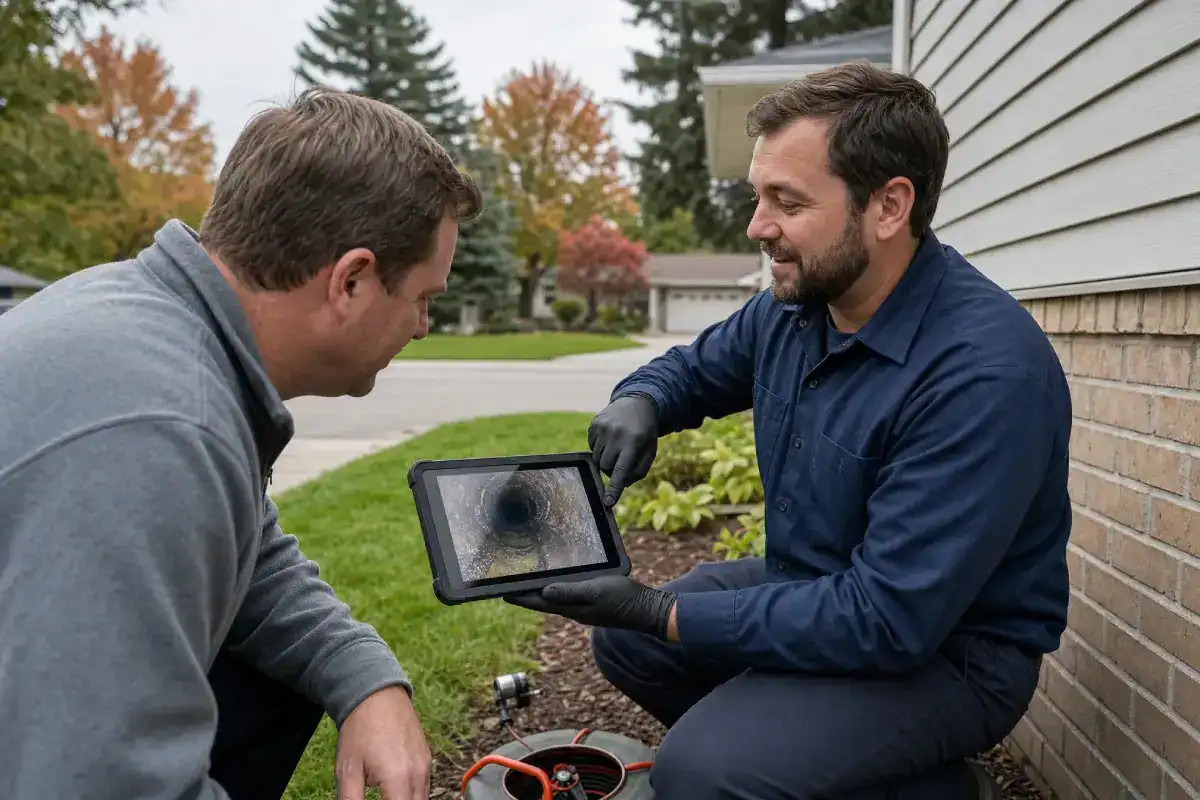
A quick no-dig sewer inspection shows you exactly what’s happening inside your line: where the damage is, how bad it is, and whether the pipe is intact enough to line. You see what we see, on the screen, before any decision is made. From there, the right answer — line it, burst it, or replace it — is usually obvious, and you can make the call with real information instead of a guess.

Is Pipe Lining Worth It? At a Glance
- Worth it for a cracked, leaking, or root-damaged pipe that’s still intact.
- Fixes the pipe for 50+ years, no yard excavation, usually in one day.
- Total cost often beats digging once yard and driveway restoration are counted.
- Not worth it for a fully collapsed pipe — consider pipe bursting or replacement.
- Want a real answer for your pipe? Call Bison Plumbing at (248) 247-7707 to schedule a camera inspection.
Frequently Asked Questions
Is pipe lining worth the money?
For most homes with a cracked, leaking, or root-damaged but intact pipe, yes. It fixes the pipe for 50+ years with no yard excavation, usually in a day, and the total cost often beats excavation once restoration is counted. It’s not right for a fully collapsed pipe.
Is pipe lining cheaper than replacing the pipe?
Often, on total cost. The per-foot price can be similar to digging, but lining avoids rebuilding your yard, driveway, and landscaping plus the days of downtime — which usually makes it the lower total-cost option.
How long does pipe lining last?
A properly installed liner lasts 50 years or more. It forms a new, jointless, corrosion-resistant pipe inside the old one and seals out the roots and groundwater that caused the failure — a long-term fix, not a patch.
When is pipe lining not worth it?
When the pipe has fully collapsed or lost too much wall, there may not be enough structure to line. Then pipe bursting or replacement is better. A camera inspection determines whether your pipe is a good candidate.
Is a lined pipe as good as a new one?
For most sewer lines, yes. A cured liner is a structural pipe built to standards like ASTM F1216 and F1743. Being jointless and smooth, it resists roots and flows better than the old, cracked pipe it replaced.
Related Guides
- What Is CIPP Pipe Lining? A Plain-English Explanation
- Trenchless Sewer Repair: A Guide for Michigan Homeowners
- Pipe Lining Services
- Trenchless Sewer Repair Services
- Financing Options
The Bottom Line
So, is pipe lining worth it? For the typical Michigan home with an aging but intact sewer line — cracked, leaking, or full of roots — it usually is. You get a 50-year fix without losing your yard, usually in a single day, and once you count what you’d otherwise spend rebuilding the surface after a dig, it frequently costs less overall too. The main exception is a fully collapsed pipe, where bursting or replacement makes more sense.
The honest bottom line is that the answer depends on your pipe — and the only way to know is to look inside it. Contact Bison Plumbing for a camera inspection, and we’ll show you exactly what you’re working with and give you a straight recommendation, whether that’s lining or something else.
About Bison Plumbing: Bison Plumbing is a family-owned, licensed plumbing company based in Warren, MI, serving Rochester Hills, Rochester, and communities across Macomb and Oakland County since 1998. Our technicians are certified through the American Pipelining Solutions Training Academy (APSTA) and use Picote Solutions HD camera inspection before and after every trenchless job, installing CIPP to ASTM F1216 and F1743 standards. Call (248) 247-7707 to schedule a camera inspection — financing available.
“Worth it” depends on your numbers. Run the numbers for your own line and compare against a full replacement.