

Quick Answer: Trenchless sewer repair typically lasts 30 to 50 years, depending on the method and materials used. CIPP (cured-in-place pipe) lining installed with high-quality resin can exceed 50 years, and pipe bursting offers similar longevity when installation quality is high. Michigan’s clay soils and freeze-thaw cycles can shorten this lifespan if conditions aren’t accounted for during installation. By comparison, traditional dig-and-replace sewer repair typically lasts only 20 to 40 years. Routine inspections and avoiding harsh chemicals help homeowners get the maximum life from a trenchless repair.
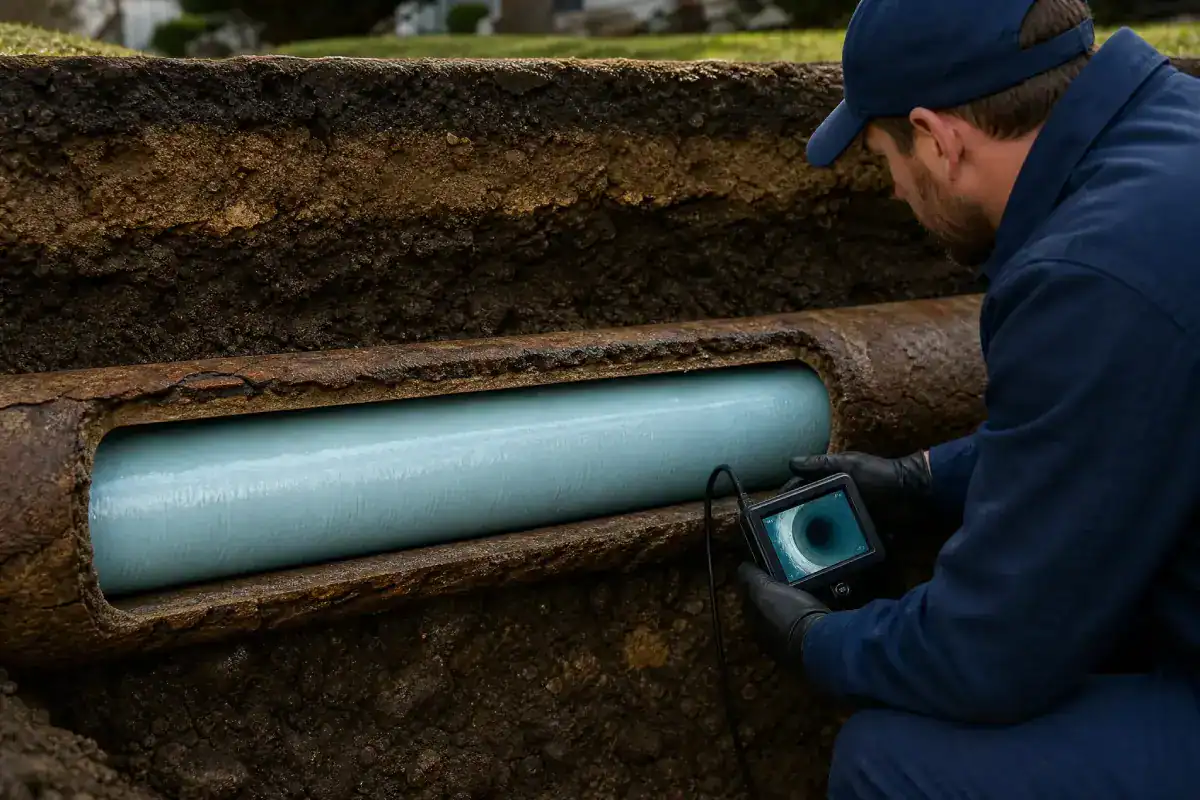
Trenchless sewer repair offers a less invasive option for damaged pipes. How long a repair lasts depends on materials, site conditions, and installation quality. Homeowners often ask about durability and maintenance; understanding the key factors helps you make informed choices. This article explains those factors, repair practices, costs, warranties, and customer experiences for Michigan residents.
What Factors Affect the Lifespan of Trenchless Sewer Repair in Michigan?
The lifespan of trenchless sewer repairs in Michigan reflects three main factors: material quality, local environmental conditions, and installation technique. Each factor affects durability and the overall success of the project. Homeowners who consider these elements can better protect their investment.
How Do Pipe Materials Influence Trenchless Repair Longevity?
Pipe material is a primary determinant of repair life. CIPP (Cured-In-Place Pipe) lining installations made with high-quality resin can exceed 50 years when installed correctly. Installation quality also matters for worker safety during the curing process, an area covered in NIOSH’s guidance on cured-in-place pipe installation. Other materials with lower corrosion or stress resistance may require attention sooner, commonly within 20–30 years.
What Role Do Local Soil and Environmental Conditions Play?
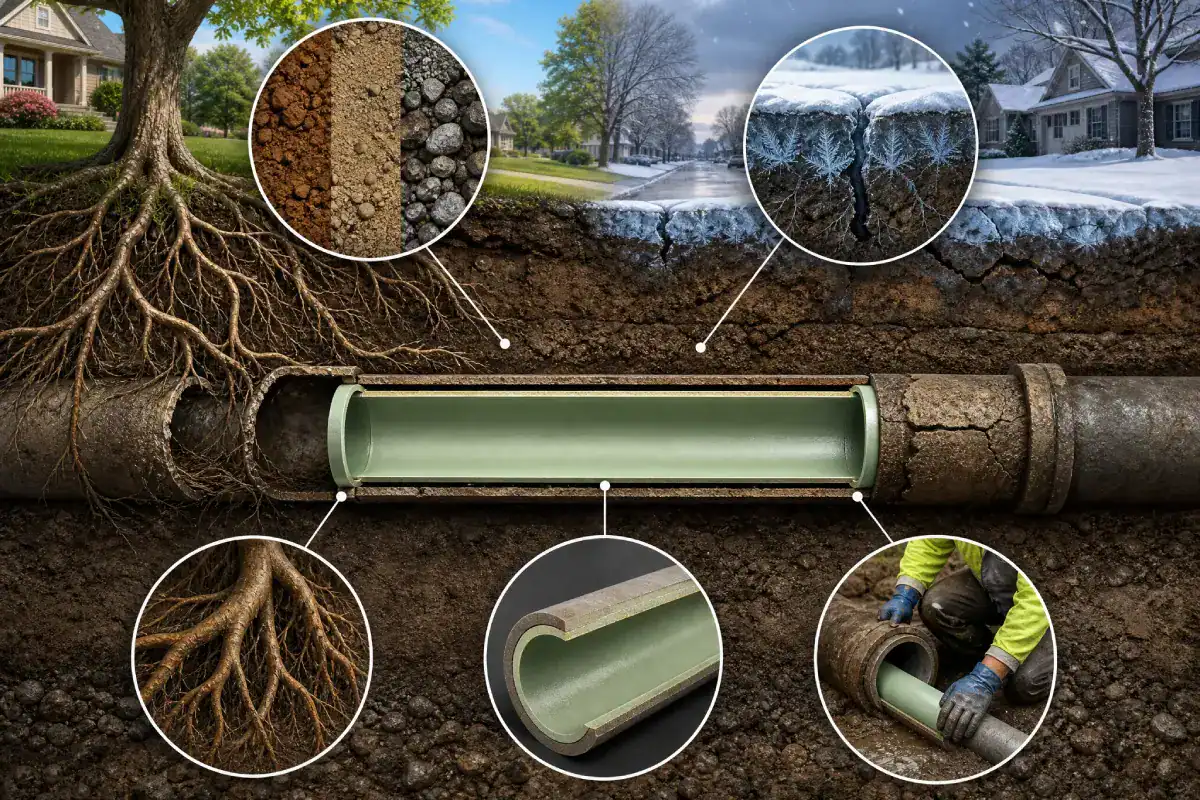
Michigan’s soil and climate directly affect trenchless repairs. Clay soils expand and contract with moisture, adding pressure to buried pipes. Freeze-thaw cycles and ground shifts can also stress lines. Accounting for these conditions in planning improves long-term performance.
How Does Trenchless Sewer Repair Compare to Traditional Methods in Terms of Durability?
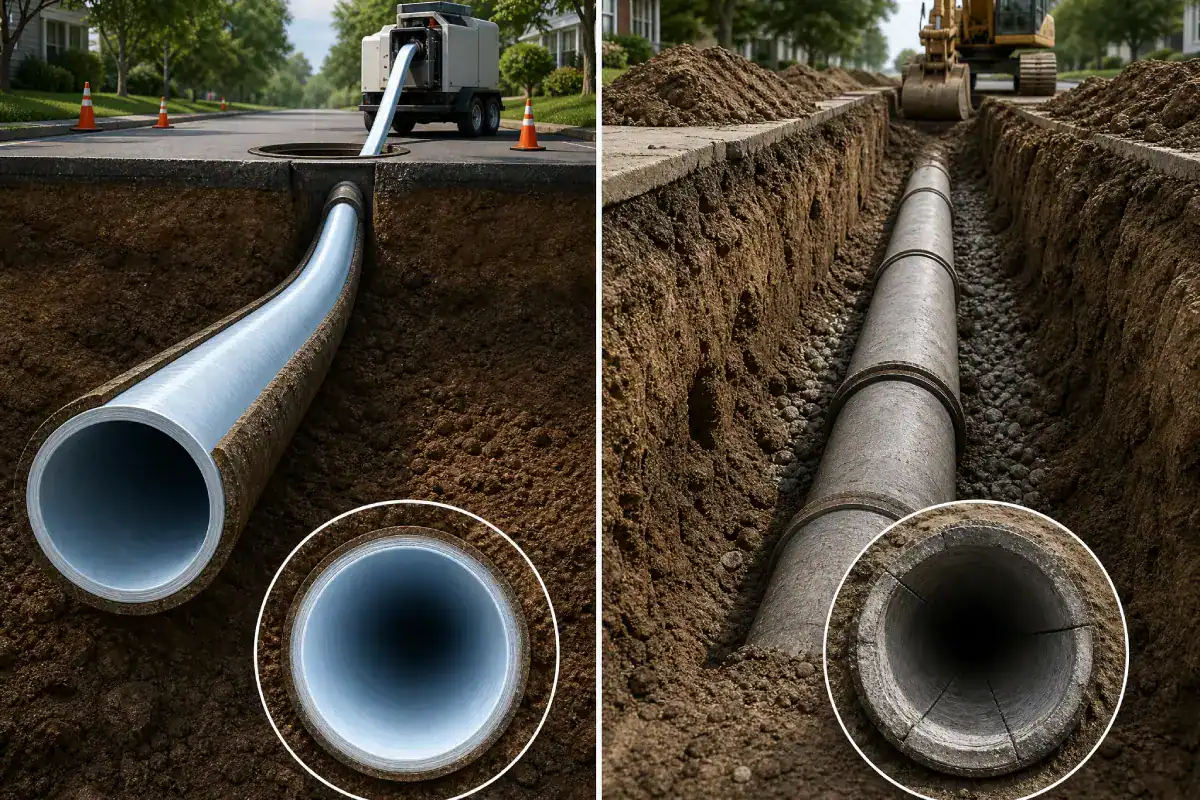
Trenchless methods generally deliver greater durability than traditional sewer line replacement. Extensive excavation can disturb soil and cause settling, while trenchless approaches preserve surrounding structure. Reduced disturbance helps the pipe system remain stable over time.
What Are the Typical Lifespan Ranges for Trenchless vs. Traditional Repairs?
When properly executed, trenchless repairs typically last 30–50 years depending on method and materials, a range confirmed by the EPA’s pipe bursting fact sheet. Traditional repairs often last 20–40 years and are more vulnerable to environmental wear.
| Repair Method | Typical Lifespan | Material Quality Impact |
| Trenchless (CIPP) | 30-50 years | High-quality materials extend longevity |
| Trenchless (Pipe Bursting) | 30-50 years | Quality installation critical for lifespan |
| Traditional Repair | 20-40 years | More susceptible to environmental damage |
This comparison shows why many homeowners consider trenchless repair a better long-term investment.
Why Is Trenchless Repair Often More Reliable and Less Invasive?
Homeowners prefer trenchless repair because it avoids major digging and limits damage to landscaping and structures. Less excavation reduces restoration work and lowers the chance of introducing new issues, so disruptions are smaller and recovery is quicker.
What Maintenance Practices Can Prolong the Life of Trenchless Sewer Repairs?
Regular maintenance extends the life of trenchless repairs. Routine professional sewer camera inspections, proper drainage, and avoiding harsh chemicals protect pipe materials.
- Routine Inspections: Regular checks can identify potential issues before they escalate.
- Proper Drainage: Ensure drainage around the repair site to avoid water accumulation.
- Avoiding Harmful Chemicals: Refrain from flushing chemicals that can degrade pipe materials.
These steps maintain performance and reduce premature repairs.
How Can Homeowners Prevent Common Sewer Repair Failures?
Preventing failures starts with proactive care and system awareness. Learn your system, hire licensed professionals, and schedule regular hydro jetting cleanings to reduce risk and cost.
- Educate Themselves: Understanding the plumbing system and what to avoid can prevent costly damage.
- Seek Professional Help: Consult licensed plumbing professionals for repairs and maintenance.
- Regular System Cleaning: Periodic cleaning prevents blockages and extends pipe life.
These actions help protect your investment and minimize repeat repairs.
What Should You Know About Cost, Warranty, and Customer Experiences for Trenchless Sewer Repair?
Costs, warranties, and customer feedback clarify the value of trenchless repair. Know typical prices and warranty terms to make sound decisions.
What Are Typical Sewer Pipe Replacement Costs in Michigan?
In Michigan, trenchless sewer repair typically ranges from $80 to $250 per linear foot, depending on method and job complexity. CIPP lining often sits at the higher end due to specialized materials and equipment, while traditional methods may cost less up front but carry higher long-term risks.
Understanding Life-Cycle Costs: Sewer Rehabilitation vs. Replacement
Sewer rehabilitation can have lower initial capital costs, though life-cycle costs between rehabilitation and replacement are often similar. Replacement may offer opportunities for broader infrastructure improvements and potential long-term savings. Before choosing rehabilitation, evaluate capital costs, life-cycle costs, and overall project impacts, as outlined in the EPA’s white paper on rehabilitating wastewater collection and water distribution systems.
What Warranty Options Do Plumbing Experts Offer?
Warranties for trenchless repairs vary by contractor and materials, typically ranging from 1 to 10 years. Some providers offer extended coverage based on product choice and installation quality that meets NASSCO specification guidelines. Review warranty terms carefully so you understand what is and isn’t covered.
Bison Plumbing’s licensed technicians are committed to high-quality trenchless services, providing durable solutions backed by clear warranty terms to protect your investment. Understanding the factors that affect repair life lets homeowners make informed maintenance and repair choices.
📞 Ready to Get Started? Not sure if your sewer line needs trenchless repair or a full replacement? Bison Plumbing’s licensed Michigan plumbers offer camera inspections and free trenchless repair quotes — contact us today.
TL;DR — Trenchless Sewer Repair Lifespan at a Glance
- Trenchless sewer repair typically lasts 30–50 years, compared to 20–40 years for traditional methods.
- CIPP lining can exceed 50 years with high-quality resin and correct installation.
- Michigan’s clay soils and freeze-thaw cycles are the biggest local factors affecting lifespan.
- Regular inspections and avoiding harsh chemicals help homeowners maximize repair life.
- Warranties for trenchless repairs typically range from 1 to 10 years, depending on materials and installation quality.
- Next step: Schedule a professional camera inspection with Bison Plumbing to find out which trenchless option is right for your home.
Frequently Asked Questions
What Should Homeowners Look for When Choosing a Plumbing Contractor?
When choosing a contractor for trenchless repair, confirm proper licensing and insurance. Check customer reviews and past projects to assess workmanship. Ask about experience with trenchless technologies and obtain multiple quotes to compare scope and pricing.
How Does Weather Impact Trenchless Sewer Repairs in Michigan?
Weather affects repair timing and longevity. Michigan’s temperature swings and moisture changes alter soil stability and can add stress to buried pipes. Heavy rain or rapid thaw can increase pressure on systems. Scheduling work during milder conditions reduces such risks.
Can Trenchless Sewer Repair Be Used for All Types of Pipe Damage?
Trenchless repair suits many problems — cracks, leaks, and corrosion — but not every case. Severe collapses, major misalignment, or extensive damage may require full excavation and replacement. Have a professional inspection to confirm the right approach.
What Are the Signs That Trenchless Sewer Repair Might Be Needed?
Watch for slow drains, recurring clogs, persistent sewer odors, or unexplained damp patches in the yard. Sinkholes or sudden ground changes over sewer lines are also warning signs. If you notice these issues, arrange a prompt professional assessment to limit further damage.
Is Trenchless Repair Environmentally Friendly?
Trenchless repair is generally more environmentally friendly than full excavation. It reduces soil disturbance, preserves landscaping, and generates less debris. Because trenchless solutions often use durable materials, they can also lower the frequency of future repairs and associated environmental impacts.
Related Resources
- Trenchless Sewer Repair Services
- Ferndale, MI Service Area
- Sewer Line Lifespan Guide
- Pipe Lining vs. Pipe Bursting
- Trenchless Sewer Repair Cost in Michigan
- Repair or Replace Your Sewer Line?
Get a Free Trenchless Sewer Repair Quote
Wondering how long your trenchless sewer repair will last? The right materials, professional installation, and regular maintenance make all the difference — and Bison Plumbing has been getting it right for Michigan homeowners for years. Contact Bison Plumbing today for a free, no-obligation quote and find out whether CIPP lining or pipe bursting is the best fit for your home.
About Bison Plumbing: Bison Plumbing has served Warren, MI and the greater Macomb County area for over 25 years, specializing in trenchless sewer repair, CIPP pipe lining, hydro jetting, and sewer camera inspections. Contact us today for a free, no-obligation quote.