

Quick Answer: Trenchless sewer repair typically lasts 30 to 50 years, depending on the method and materials used. CIPP (cured-in-place pipe) lining installed with high-quality resin can exceed 50 years, and pipe bursting offers similar longevity when installation quality is high. Michigan’s clay soils and freeze-thaw cycles can shorten this lifespan if conditions aren’t accounted for during installation. By comparison, traditional dig-and-replace sewer repair typically lasts only 20 to 40 years. Routine inspections and avoiding harsh chemicals help homeowners get the maximum life from a trenchless repair.
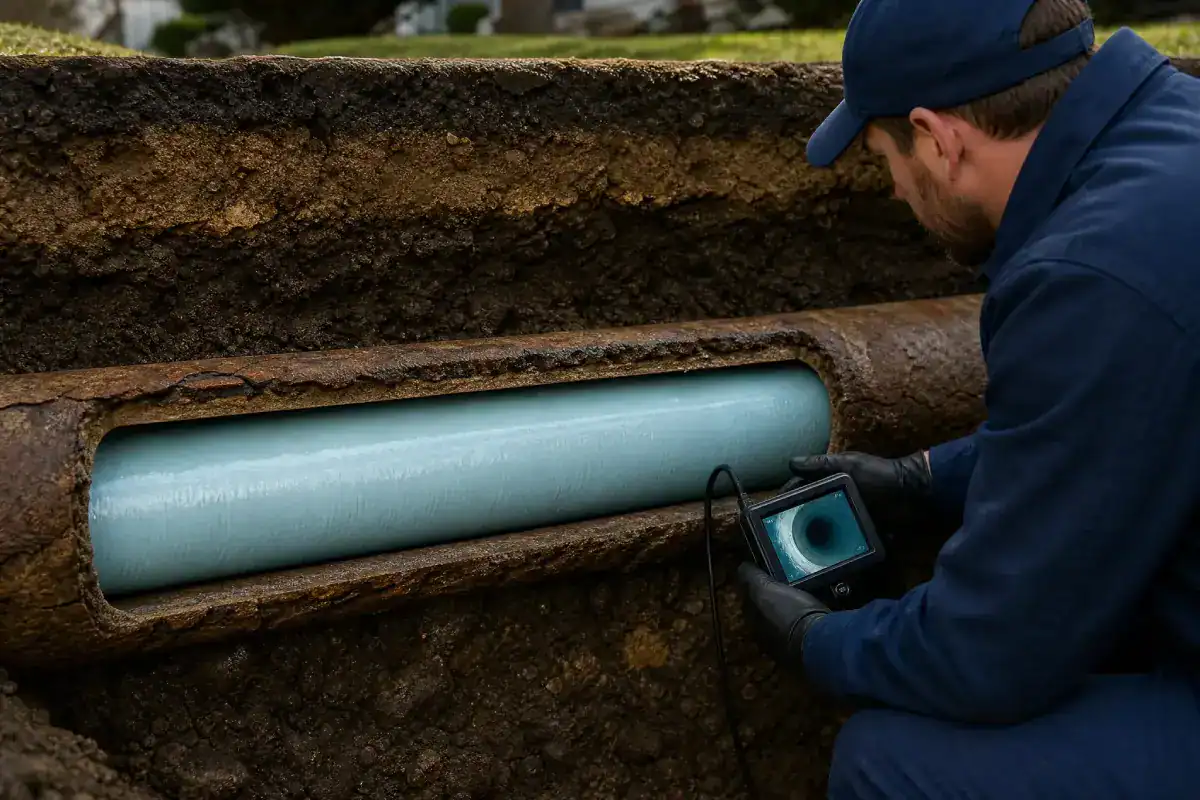
Trenchless sewer repair offers a less invasive option for damaged pipes. How long a repair lasts depends on materials, site conditions, and installation quality. Homeowners often ask about durability and maintenance; understanding the key factors helps you make informed choices. This article explains those factors, repair practices, costs, warranties, and customer experiences for Michigan residents.
What Factors Affect the Lifespan of Trenchless Sewer Repair in Michigan?
The lifespan of trenchless sewer repairs in Michigan reflects three main factors: material quality, local environmental conditions, and installation technique. Each factor affects durability and the overall success of the project. Homeowners who consider these elements can better protect their investment.
How Do Pipe Materials Influence Trenchless Repair Longevity?
Pipe material is a primary determinant of repair life. CIPP (Cured-In-Place Pipe) lining installations made with high-quality resin can exceed 50 years when installed correctly. Installation quality also matters for worker safety during the curing process, an area covered in NIOSH’s guidance on cured-in-place pipe installation. Other materials with lower corrosion or stress resistance may require attention sooner, commonly within 20–30 years.
What Role Do Local Soil and Environmental Conditions Play?
Michigan’s soil and climate directly affect trenchless repairs. Clay soils expand and contract with moisture, adding pressure to buried pipes. Freeze-thaw cycles and ground shifts can also stress lines. Accounting for these conditions in planning improves long-term performance.
How Does Trenchless Sewer Repair Compare to Traditional Methods in Terms of Durability?
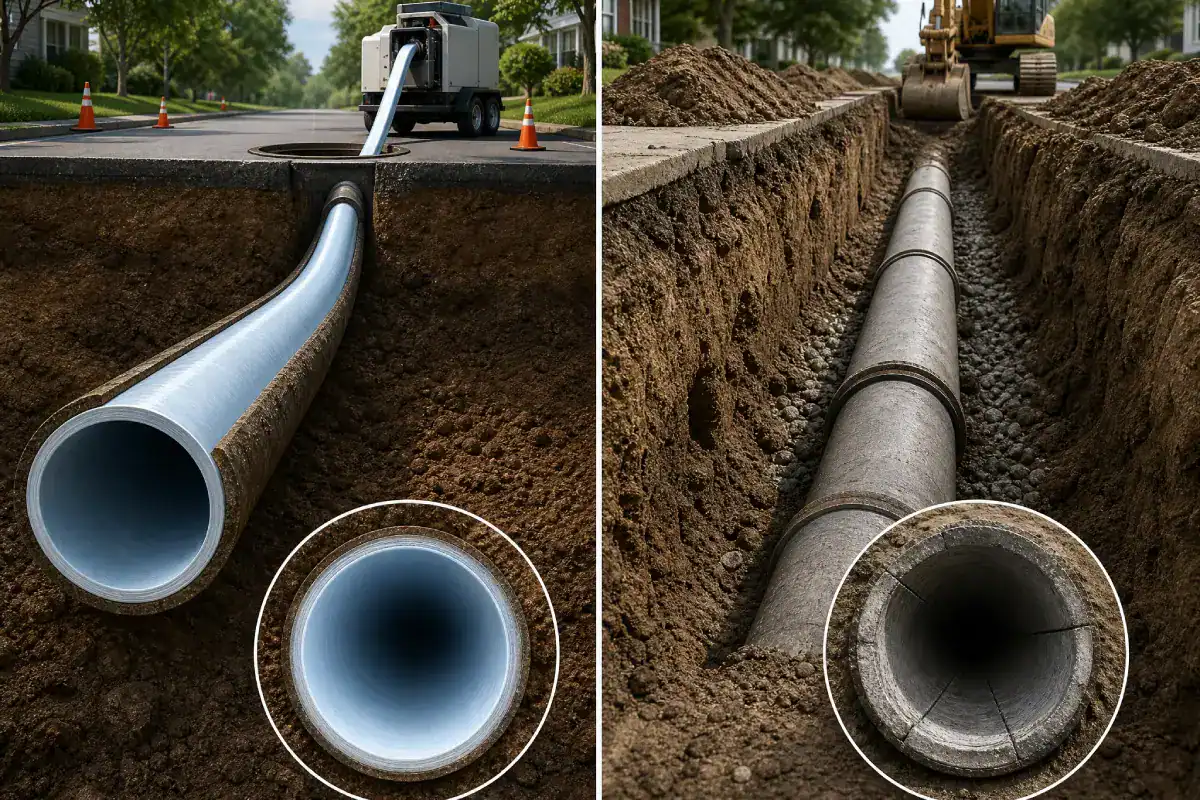
Trenchless methods generally deliver greater durability than traditional sewer line replacement. Extensive excavation can disturb soil and cause settling, while trenchless approaches preserve surrounding structure. Reduced disturbance helps the pipe system remain stable over time.
What Are the Typical Lifespan Ranges for Trenchless vs. Traditional Repairs?
When properly executed, trenchless repairs typically last 30–50 years depending on method and materials, a range confirmed by the EPA’s pipe bursting fact sheet. Traditional repairs often last 20–40 years and are more vulnerable to environmental wear.
| Repair Method | Typical Lifespan | Material Quality Impact |
| Trenchless (CIPP) | 30-50 years | High-quality materials extend longevity |
| Trenchless (Pipe Bursting) | 30-50 years | Quality installation critical for lifespan |
| Traditional Repair | 20-40 years | More susceptible to environmental damage |
This comparison shows why many homeowners consider trenchless repair a better long-term investment.
Why Is Trenchless Repair Often More Reliable and Less Invasive?
Homeowners prefer trenchless repair because it avoids major digging and limits damage to landscaping and structures. Less excavation reduces restoration work and lowers the chance of introducing new issues, so disruptions are smaller and recovery is quicker.
What Maintenance Practices Can Prolong the Life of Trenchless Sewer Repairs?
Regular maintenance extends the life of trenchless repairs. Routine professional sewer camera inspections, proper drainage, and avoiding harsh chemicals protect pipe materials.
- Routine Inspections: Regular checks can identify potential issues before they escalate.
- Proper Drainage: Ensure drainage around the repair site to avoid water accumulation.
- Avoiding Harmful Chemicals: Refrain from flushing chemicals that can degrade pipe materials.
These steps maintain performance and reduce premature repairs.
How Can Homeowners Prevent Common Sewer Repair Failures?
Preventing failures starts with proactive care and system awareness. Learn your system, hire licensed professionals, and schedule regular hydro jetting cleanings to reduce risk and cost.
- Educate Themselves: Understanding the plumbing system and what to avoid can prevent costly damage.
- Seek Professional Help: Consult licensed plumbing professionals for repairs and maintenance.
- Regular System Cleaning: Periodic cleaning prevents blockages and extends pipe life.
These actions help protect your investment and minimize repeat repairs.