
Pipe Lining Cost in Michigan: What to Budget for Trenchless Sewer Repair in 2026
For Michigan homeowners evaluating trenchless sewer repair, understanding pipe lining costs helps you budget for 2026. Pipe lining is a trenchless method that reduces property disruption and often costs less overall than full excavation; final pricing depends on pipe condition, materials, and local rates. This guide summarizes cost drivers, homeowner financial impacts, budgeting items, local service considerations, and financing options available specifically for Michigan residents.
Key Takeaways
- Costs depend on pipe length, diameter, material, condition, and access difficulty within Michigan’s unique soil and infrastructure conditions.
- Trenchless repair typically causes less disruption and can be more cost-effective than excavation, especially in Michigan’s residential neighborhoods.
- Budget for inspection fees, permits, and consider contractor or third-party financing options available in Michigan.
- Pipe lining extends sewer lifespan and lowers future repair frequency, important for Michigan’s aging sewer systems.
- Local expertise affects workmanship, pricing, and regulatory compliance in Michigan’s counties such as Oakland, Macomb, and Wayne.
- Material and labor costs, plus project complexity, will influence 2026 pricing in Michigan’s market.
- Warranty choices affect cost and long-term value, with some Michigan contractors offering region-specific guarantees.
- Schedule a sewer camera inspection and get itemized estimates from Michigan-based providers before committing.
Key Cost Factors
Several core variables determine pipe lining cost in Michigan; consider these when estimating a budget.
- Pipe Length and Diameter: Longer or larger-diameter lines require more material and labor, with Michigan’s older homes often having varied pipe sizes.
- Material and Condition of the Pipe: Deteriorated or incompatible pipe materials common in Michigan’s older infrastructure can increase repair scope.
- Access Difficulty: Deep, restricted, or under-structure lines, especially in Michigan’s urban areas, raise labor time and equipment needs.
Review these items to anticipate likely expenses for trenchless sewer repair in Michigan.
Financial Implications for Michigan Homeowners
Although upfront trenchless costs may seem higher, reduced restoration and shorter job durations usually yield long-term savings for Michigan properties.
- Savings Compared to Traditional Methods: Less excavation lowers restoration and labor expenses, particularly important in Michigan’s seasonal weather conditions.
- Lifespan of Repairs: Proper lining can extend service life and cut future costs, helping Michigan homeowners avoid frequent repairs due to freeze-thaw cycles.
- Insurance Considerations: Some Michigan homeowner policies or endorsements may cover portions of the work—check your policy and local regulations.
Compare these factors to decide the most cost-effective approach for your Michigan property.
Budgeting Considerations
Include inspection, permit, and finance costs in your budget so you avoid surprises.
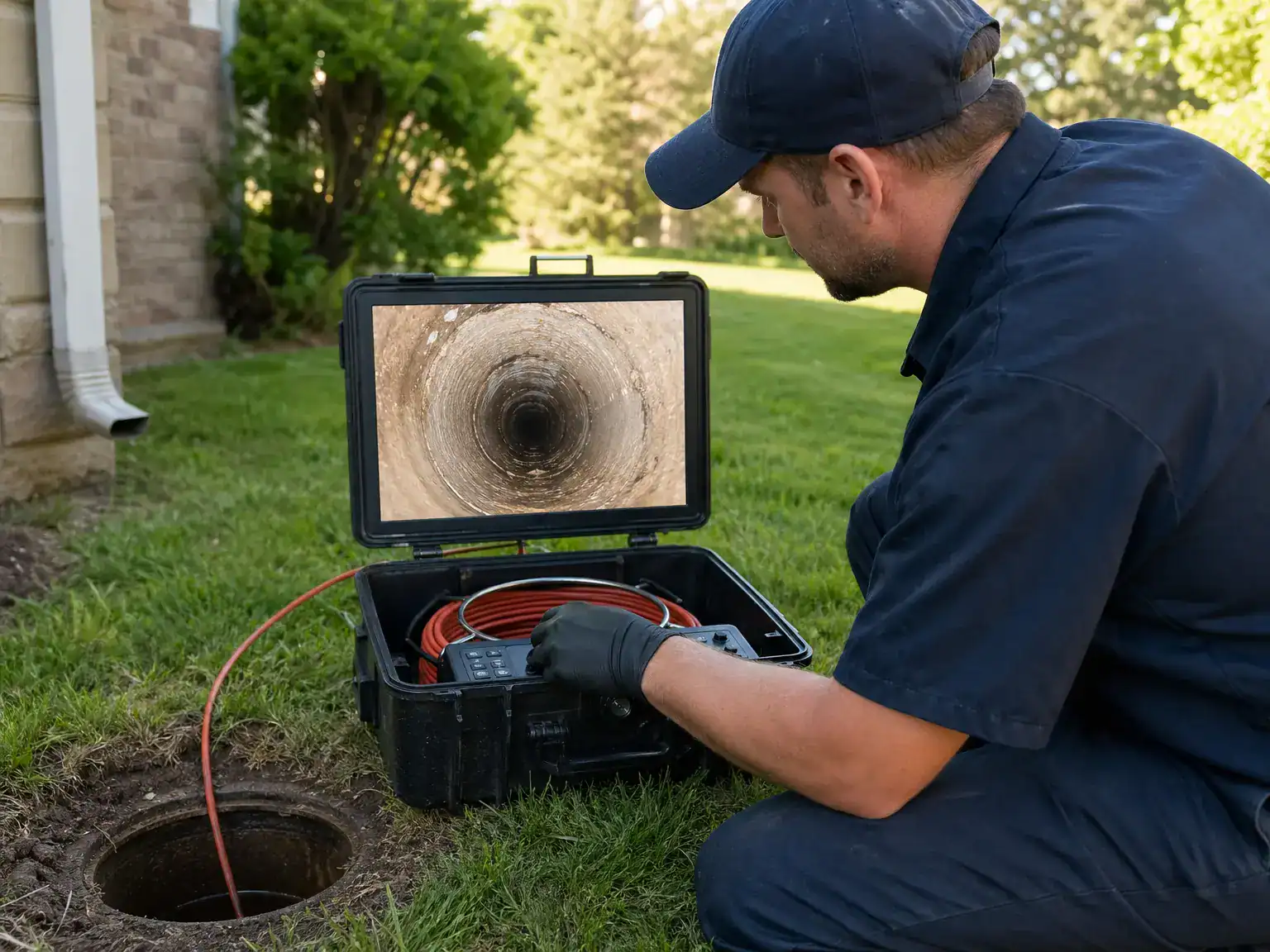
- Initial Inspection Costs: A sewer camera inspection in Michigan commonly ranges from $200 to $500 and is essential for scope and quoting.
- Financing Options: Michigan contractors may offer payment plans; third-party lenders provide alternatives to spread costs.
- Permit and Inspection Fees: Expect local permit/inspection fees in Michigan—commonly between $75 and $500 depending on jurisdiction such as Detroit, Ann Arbor, or Grand Rapids.
| Cost Component | Estimated Range |
|---|---|
| Sewer Camera Inspection | $200 – $500 |
| Permit and Inspection Fees | $75 – $500 |
| Financing Options | Varies by provider |
Factoring these items into your plan reduces the risk of unexpected expenses in Michigan.
What Is Trenchless Sewer Repair and How Does Pipe Lining Work?
Trenchless sewer repair rehabilitates existing lines with minimal digging. CIPP pipe lining inserts a resin-impregnated liner into the damaged pipe, inflates and cures it in place, creating a new inner pipe that restores flow and structural integrity.
The process limits landscaping damage and typically shortens the project timeline compared with full excavation, which is especially beneficial for Michigan homeowners dealing with seasonal weather constraints.
How Does Trenchless Pipe Lining Differ from Traditional Sewer Repair?
Trenchless lining contrasts with excavation-based repair in access, cost impacts, and restoration needs.
- Method Differences: Excavation often requires digging the entire run; trenchless needs only access points, reducing disruption to Michigan’s established yards and driveways.
- Cost Implications: Less digging reduces labor and restoration costs, which can be higher in Michigan due to soil and weather conditions.
- Restoration Costs: Trenchless minimizes landscaping and hardscape repairs that add to total project cost, important in Michigan’s suburban and urban settings.
These differences explain why trenchless is often faster and less disruptive for Michigan homeowners.
What Are the Key Advantages of Pipe Lining for Michigan Homeowners?
Pipe lining offers several homeowner advantages that are especially useful in residential settings across Michigan.
- Minimal Disruption: Keeps yards and driveways mostly intact, preserving Michigan’s often mature landscaping.
- Cost-Effectiveness: Lower ancillary restoration costs compared to open-cut repairs, which can be costly in Michigan’s developed neighborhoods.
- Longevity and Durability: Provides a durable internal lining that extends usable life, helping combat Michigan’s freeze-thaw cycle effects on pipes.
For many Michigan homes, these benefits make pipe lining a practical choice for sewer issues.
What Factors Affect Pipe Lining Cost in Michigan in 2026?
Market and project variables will continue to influence prices heading into 2026.
- Material Prices: Resin and liner costs can fluctuate with supply and demand, influenced by Michigan’s regional suppliers and import costs.
- Labor Costs: Skilled trenchless technicians in Michigan affect hourly rates and availability.
- Project Complexity: Multiple bends, collapses, root intrusion, or long runs raise costs, common challenges in Michigan’s older sewer systems. See NASSCO underground infrastructure industry standards for trenchless repair benchmarks.
Monitoring material and labor trends helps Michigan homeowners plan for likely price movement. For a broader cost comparison, see our guide to trenchless sewer repair cost in Michigan.
How Do Sewer Pipe Condition and Length Influence Repair Prices in Michigan?
Condition and length are primary cost drivers: worse condition and longer runs increase material and labor needs.
- Impact of Pipe Condition: Severe deterioration can require section replacement or additional work, often seen in Michigan’s aging infrastructure.
- Length of the Sewer Line: Longer lines use more liner material and take more time to complete, especially in Michigan’s larger residential lots.
- Cost Implications: Expect higher bids for severely damaged or long lines—get a camera inspection to confirm scope.
Accurate assessments of length and condition yield more reliable estimates for Michigan homeowners.
What Role Do Materials and Warranty Options Play in Pricing?
Material quality and warranty terms affect both price and long-term value.
- Material Costs: Premium resins and certified liners cost more but can increase durability, important for Michigan’s climate.
- Importance of Warranty Coverage: Warranties reduce homeowner risk; longer or transferable warranties carry value, with some Michigan contractors offering region-specific coverage.
- Typical Warranty Terms: Ask Michigan contractors what is covered, duration, and any conditions that void coverage.
Factor materials and warranty terms into your evaluation to compare true value across bids. Learn more about CIPP lining options in Michigan and how material selection affects longevity.
Which Michigan Areas and Surrounding Cities Does Bison Plumbing Serve?
Bison Plumbing serves Michigan and Southeast Michigan, focusing on Oakland, Macomb, and Wayne Counties, enabling localized service tailored to homeowner needs in these areas. They also provide services in Detroit, Troy, Warren, and surrounding communities, ensuring familiarity with local codes and conditions.
How Does Local Expertise Impact Service Quality and Pricing in Michigan?
Local contractors bring knowledge of regional soils, codes, and permitting that affects efficiency and cost.
- Benefits of Local Knowledge: Familiarity with Michigan’s clay soils, freeze-thaw cycles, and municipal regulations speeds diagnosis and work planning.
- Impact on Pricing: Local market knowledge helps provide competitive, realistic bids tailored to Michigan’s economic conditions.
- Quality of Service: Experienced Michigan crews typically produce more reliable long-term results, understanding local challenges.
Choosing a local, experienced Michigan provider helps ensure code-compliant work and predictable pricing.
What Financing Options Are Available for Pipe Lining Services in Michigan?
Michigan homeowners can use multiple financing methods to manage upfront costs.
- GreenSky Financing: Offers flexible financing options for pipe lining through participating Michigan contractors.
- Payment Plans Offered by Contractors: Many Michigan contractors offer in-house installment plans.
- Local Grants and Assistance Programs: Check municipal or utility programs in Michigan cities like Detroit or Ann Arbor that sometimes provide aid for sewer repairs.
Compare terms and interest costs to choose the best financing for your Michigan budget.
How Can Michigan Homeowners Schedule Pipe Lining Services and Request Quotes?
Follow a simple process to get accurate quotes and select a contractor.
- Scheduling a Sewer Camera Inspection: Begin with a camera inspection to document pipe condition and define scope, available through many Michigan providers.
- Requesting an Itemized Estimate: Ask for an itemized quote showing inspection, materials, labor, permits, and warranties specific to Michigan regulations.
- Verifying Contractor Credentials: Confirm Michigan licenses, insurance, references, and warranty terms before hiring.
These steps help Michigan homeowners compare proposals and choose a qualified contractor.
Get Your Pipe Lining Cost Estimate from Bison Plumbing Today
If you’re a Michigan homeowner considering trenchless pipe repair or pipe lining, don’t wait to get an accurate cost estimate tailored to your property’s needs. Bison Plumbing offers expert assessments, transparent pricing, and local knowledge to help you make the best decision for your sewer repair project. Contact Bison Plumbing now to schedule your sewer camera inspection and receive a detailed, itemized quote for your pipe lining or trenchless sewer repair in Michigan.
Frequently Asked Questions
What is the typical lifespan of a pipe lining repair?
A properly installed pipe lining typically lasts multiple decades—commonly estimated at 50 years or more—depending on materials and maintenance, which is consistent for Michigan’s climate.
Are there any environmental benefits to trenchless sewer repair?
Yes. Trenchless methods reduce soil disturbance, preserve landscaping, and often require less heavy equipment, which lowers environmental impact compared with full excavation, important for Michigan’s natural areas and residential properties.
How can Michigan homeowners prepare for a pipe lining project?
Start with a camera inspection, clear access points, review your budget for inspection and permits, and discuss site-specific concerns with the contractor familiar with Michigan’s local conditions.
What should homeowners look for when choosing a contractor for pipe lining?
Choose contractors with trenchless experience, positive reviews, proper Michigan licenses and insurance, clear itemized estimates, and defined warranty terms.
Can homeowners perform any maintenance on their sewer lines after pipe lining?
Yes. Schedule periodic camera inspections, avoid flushing non-biodegradable items or harsh chemicals, and manage tree roots near sewer lines, which is especially important in Michigan’s wooded areas.
What are the common signs that indicate a sewer line issue?
Watch for slow drains, repeated backups, unusual odors, wet yard spots, gurgling plumbing noises, or sewage surfacing—addressing symptoms early limits costs and is critical in Michigan’s freeze-prone environment.