

Quick Answer: Pipe bursting cost Michigan homeowners pay typically runs $100 to $250 per linear foot for residential sewer line replacement. The final price depends on pipe length, diameter, depth, and how difficult the site is to access. Because trenchless pipe bursting avoids the excavation and property restoration costs of traditional dig-and-replace, it often delivers a comparable or lower total project cost. A sewer camera inspection is the essential first step toward an accurate, job-specific estimate.
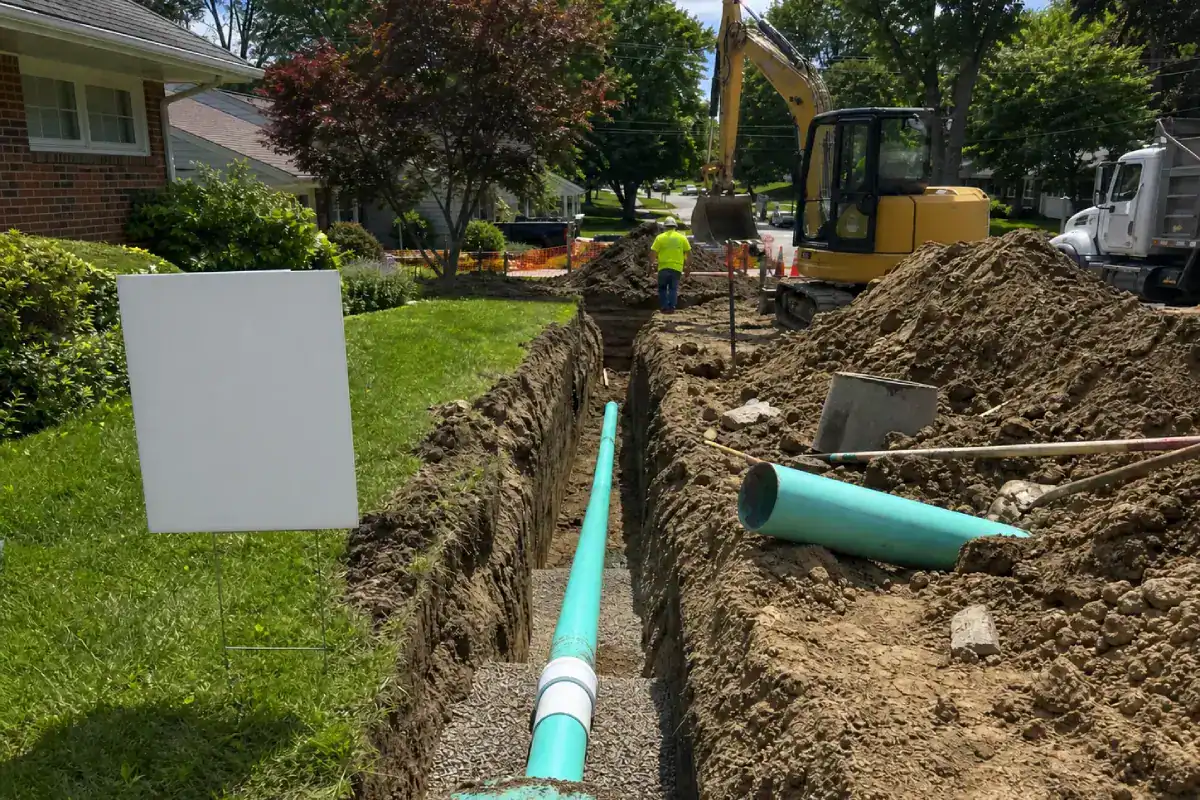
Pipe bursting cost in Michigan runs $100–$250 per linear foot for most residential projects. Total project costs vary depending on pipe length, diameter, depth, and access difficulty. A sewer camera inspection is the essential first step, confirming whether pipe bursting fits the line and producing an accurate estimate.
What Are the Key Takeaways on Pipe Bursting Cost in Michigan?
- Pipe bursting in Michigan costs $100–$250 per foot for most residential sewer replacements.
- Trenchless sewer repair project totals vary widely for Michigan homeowners based on pipe length, depth, and site conditions.
- Bison Plumbing, Inc. in Warren, MI serves local homeowners needing trenchless pipe replacement services.
- Traditional dig-and-replace adds thousands in property restoration costs that trenchless methods eliminate entirely.
What Does Pipe Bursting Cost in Michigan?
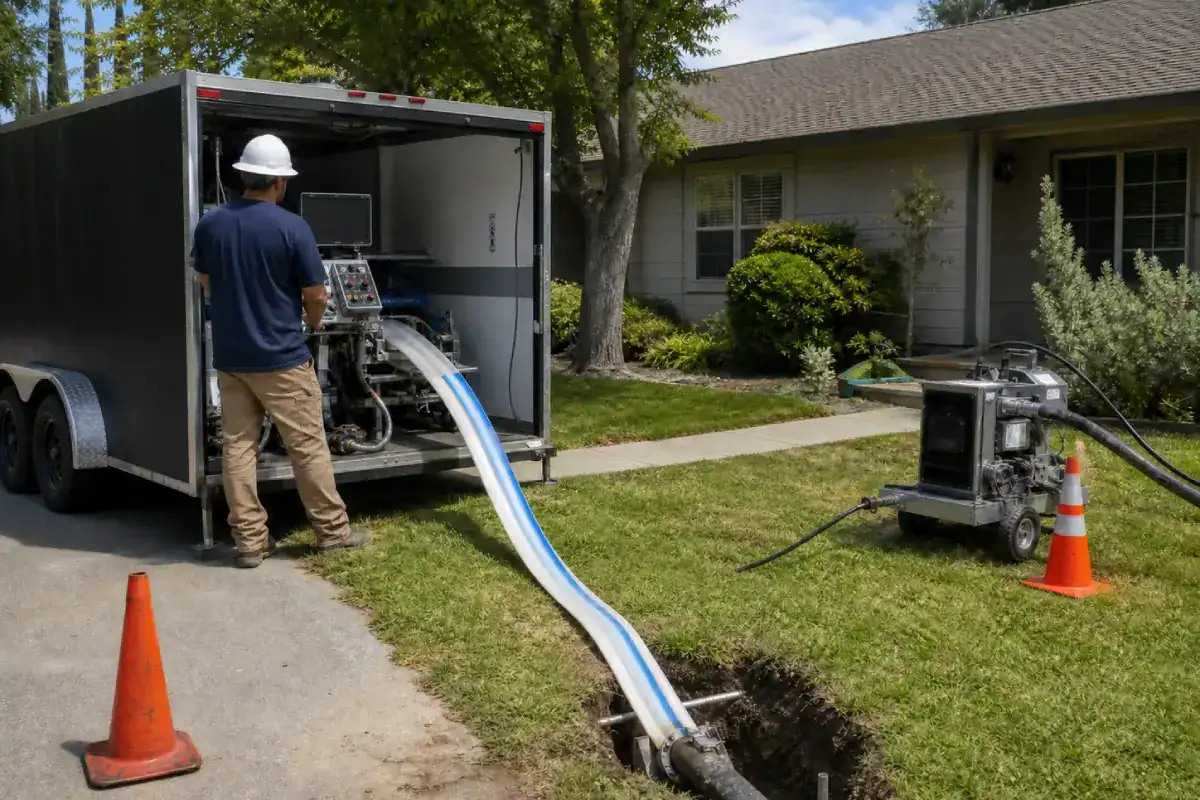
Pipe bursting cost Michigan homeowners face typically falls between $100 and $250 per linear foot for residential sewer line replacement. Most complete residential projects vary considerably depending on pipe length, depth, and site conditions.
Here is a quick breakdown of what drives the final number:
- Pipe length: Longer runs mean more footage — and more cost
- Pipe depth: Deeper lines require more labor and equipment time
- Access difficulty: Tight yards, driveways, or landscaping add complexity
- Pipe material and diameter: Larger or older pipes can complicate the burst process
How Much Does a Complicated Pipe Bursting Job Cost?
When conditions are straightforward, projects often come in at the lower end of the range. When complications arise — deep lines, difficult access, or severely deteriorated pipe — total project costs can climb significantly higher. Michigan homeowners should treat worst-case scenarios as realistic possibilities, not typical outcomes.
Is Pipe Bursting More Expensive Than Traditional Sewer Replacement?
The per-foot price of trenchless pipe bursting looks higher on paper than a basic dig-and-replace quote. However, traditional excavation adds thousands in landscape, hardscape, and surface restoration costs that rarely appear in the initial estimate. When Michigan homeowners factor in those restoration expenses, trenchless pipe bursting frequently delivers comparable or lower total project costs. Bison Plumbing, a Warren, MI-based provider serving Michigan homeowners, recommends a camera inspection first. It confirms whether pipe bursting is the right fit before any pricing commitment is made.
What Factors Drive the Final Price Up?
Pipe bursting cost Michigan homeowners pay varies based on six core variables: pipe length, diameter, depth, access difficulty, pipe material, and the specific repair method selected. Each variable compounds the others — a long, deep pipe in dense clay soil costs significantly more than a short, shallow run with easy access. For a closer look at how the method works, see the EPA’s technical overview of pipe bursting.
The six primary cost drivers are:
- Pipe length — longer runs require more new pipe and more labor hours
- Pipe diameter — wider pipes demand heavier equipment and more material
- Depth — deeper lines increase excavation complexity at entry and exit points
- Access difficulty — obstacles like driveways, mature trees, or utility crossings raise labor costs
- Pipe material — older clay or cast-iron lines may require additional prep work
- Method chosen — pipe bursting and CIPP lining carry different per-foot pricing structures
Does Pipe Bursting Actually Save Money Compared to Traditional Replacement?
Traditional dig-and-replace estimates leave out thousands of dollars in landscaping and hardscaping restoration that homeowners must pay after the crew leaves. Pipe bursting installs new, durable pipes without extensive digging, eliminating most of that post-project restoration expense entirely.
Why Does Access Difficulty Matter So Much?
When a sewer line runs beneath a concrete driveway or established landscaping, crews need additional time and equipment just to reach entry and exit points. That added complexity translates directly into higher labor costs, regardless of the pipe’s condition.
How Do You Get an Accurate Michigan Estimate?
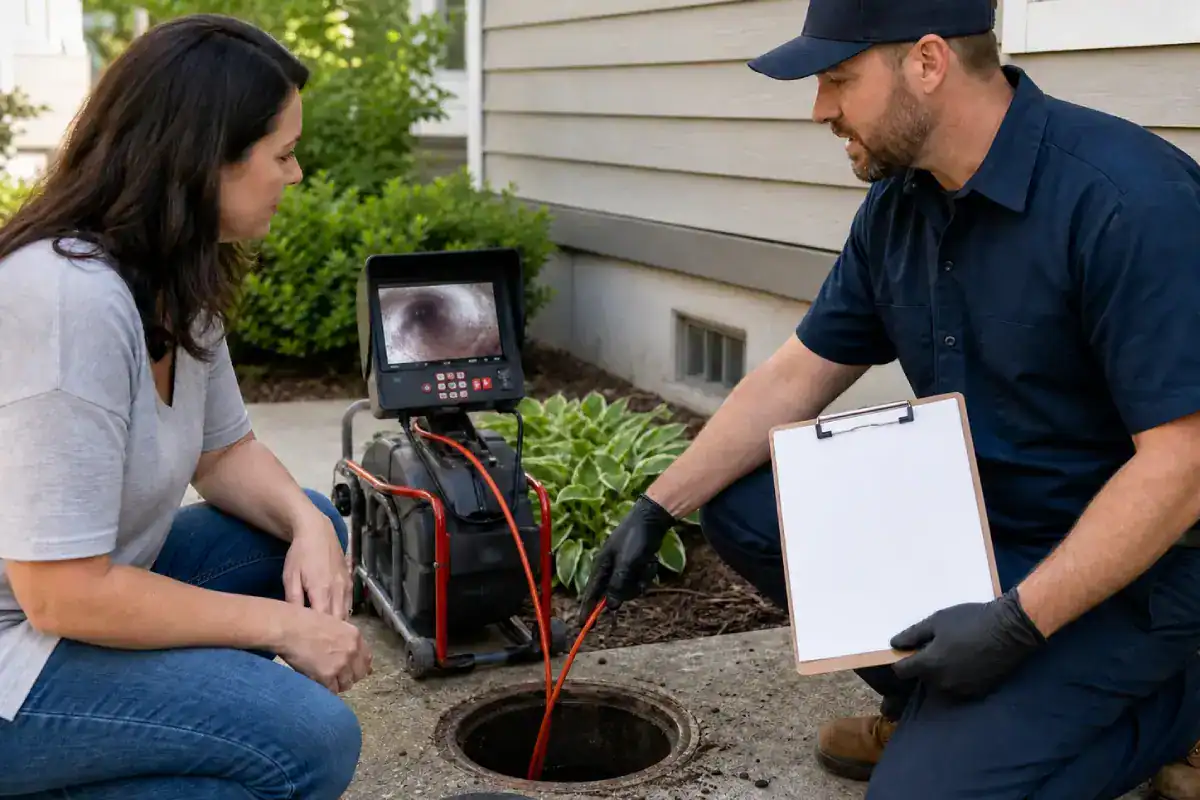
A professional sewer camera inspection